 By Steve MollmanShareNewsweek is a Trust Project memberPrefer Newsweek on Googleto see more of our trusted coverage when you search.
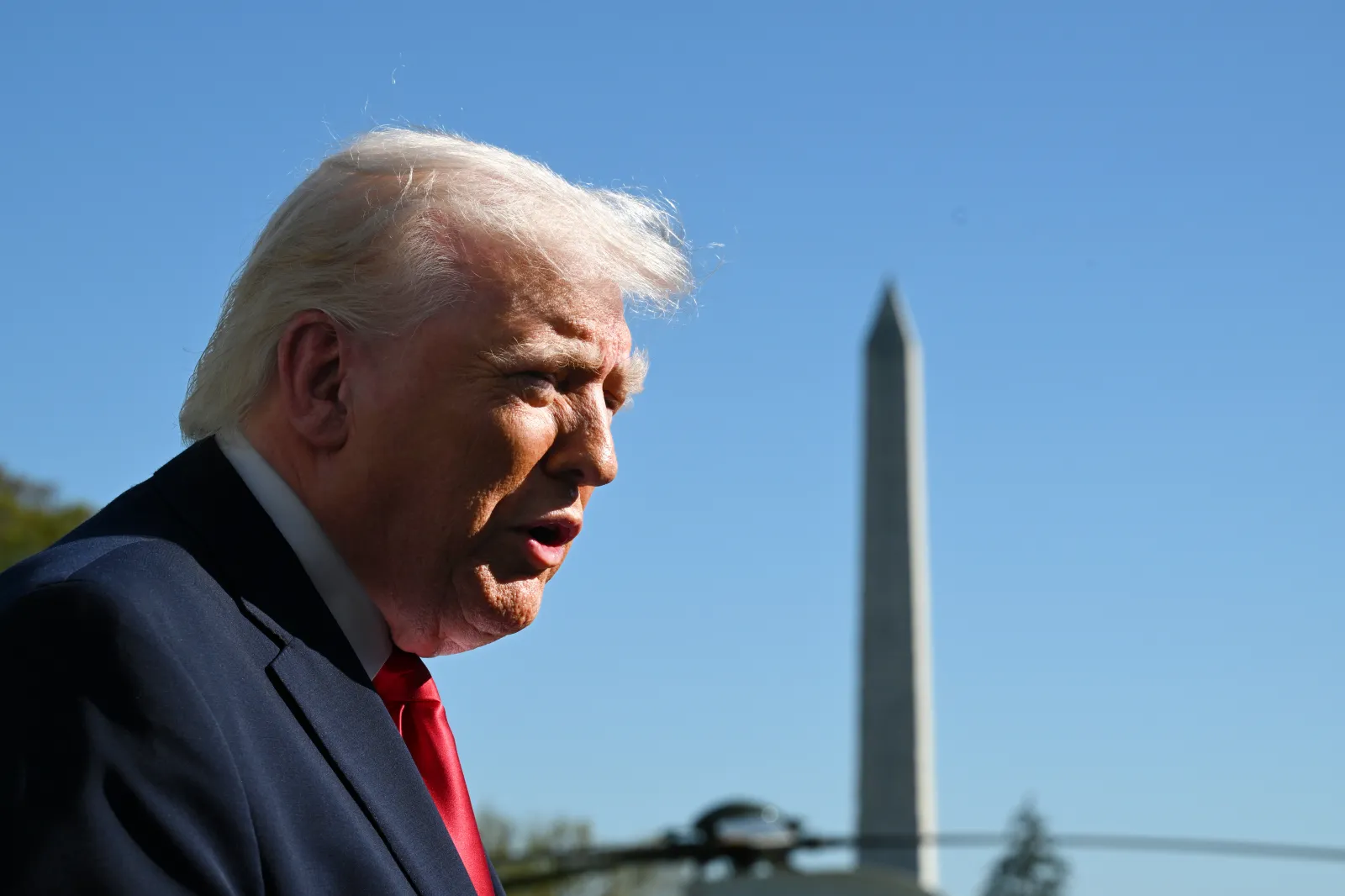
President Donald Trump warned that China would face serious consequences if it supplies weapons to Iran amid the ongoing conflict in the Middle East.
“If China does that, China is gonna have big problems,” Trump told reporters on Saturday afternoon while leaving the White House to travel to Miami.
The president's comments follow a CNN report, citing three people familiar with recent intelligence assessments, that Beijing is preparing to ship air-defense systems to Tehran in the next few weeks.
Why It Matters
In late February, the United States and Israel targeted key military targets in Iran and killed Supreme Leader Ayatollah Ali Khamenei and other government leaders. Iran responded by launching missiles and drones targeting Israel and several Gulf Arab states that host U.S. armed forces.
The prospect of China directly transferring weapons to Iran during the ongoing regional conflict risks deepening the war and triggering broader geopolitical consequences, particularly for U.S.–China relations already strained by trade disputes, military tensions, and the war in Iran.
Any confirmed transfer of Chinese weapons would mark a new level of involvement by Beijing in the conflict and could undermine diplomatic efforts aimed at extending a fragile ceasefire. It would also put Trump in a delicate position ahead of a visit to China planned for mid-May.
What to Know
According to CNN, the systems to be delivered could include shoulder‑fired anti‑air missiles known as MANPADS, which pose a serious threat to low‑flying aircraft.
U.S. intelligence officials believe China may be attempting to route any weapons shipments through third countries in order to conceal their origin, reported the network, raising concerns that Tehran could be seeking to restock military capabilities weakened during five weeks of U.S. and Israeli strikes.
A spokesperson for the Chinese Embassy in Washington told CNN that Beijing “has never provided weapons to any party to the conflict” and described the allegations as untrue.
Chinese officials have also pointed to Beijing’s role in encouraging de‑escalation during the conflict, noting China supported diplomatic efforts to achieve the ceasefire and reopen the Strait of Hormuz, a key maritime corridor for global energy shipments.
 ...
...Trump’s warning to China aligns with previous statements he has made about imposing consequences on countries that supply weapons to Iran.
Earlier this week, Trump threatened sweeping economic penalties against any nation found to be providing military weapons to Tehran. In posts on Truth Social and in remarks to reporters, he said the U.S. would impose 50 percent tariffs on imports from countries supplying Iran with weapons, with no exemptions.
“These countries will pay a very high price,” he wrote Thursday, without naming specific nations.
Iran has long relied on foreign assistance to sustain its weapons programs in the face of international sanctions. China and Russia are frequently cited by Western officials as sources of dual‑use technology and military support to Iran, allegations both countries have denied. Tehran, meanwhile, has supplied weapons and military support to allied groups across the Middle East, including Hezbollah in Lebanon and the Houthis in Yemen.
Iranian officials have consistently denied receiving illegal weapons transfers, arguing the country maintains the right to defend itself and develop its own military capabilities.
Iranian leaders have rejected accusations that Tehran is dependent on foreign military aid. Iran’s foreign ministry and Islamic Revolutionary Guard Corps (IRGC) officials have said the country’s military strength is domestically produced and Iran does not rely on arms shipments from abroad.
Trump’s warning to China follows a pivotal episode on April 3, when a U.S. fighter jet was shot down over Iran and American forces raced to recover a missing airman, briefly raising fears of a potential hostage situation. Iranian officials said they used new or upgraded air‑defense capabilities against the aircraft, without identifying the origin of the systems, underlining that Tehran retained anti‑aircraft capacity despite weeks of strikes—and sharpening U.S. concerns about any new foreign weapons transfers to Iran.
What Happens Next
U.S. and Iranian delegations are scheduled to continue negotiations in Pakistan this weekend as mediators attempt to extend the fragile ceasefire and prevent a renewed escalation of hostilities. The ceasefire has temporarily reduced direct strikes, but tensions remain high as shipping traffic through the Strait of Hormuz has yet to fully normalize.
Newsweek’s reporters and editors used Martyn, our AI assistant, to help produce this story. Learn more about Martyn.Request Reprint & LicensingSubmit CorrectionView Editorial & AI GuidelinesPrefer Newsweek on Googleto see more of our trusted coverage when you search.Related Podcasts
Top Stories
 Politics
Manhattan DA Opens Investigation Into Swalwell as Campaign Collapses
7 min read U.S.
U.S.Exclusive: Bishop Strickland Decries Trump Admin’s ‘Threatening Attitude’ Towards Pope
5 min read News
NewsMary Trump Says MAGA Defectors ‘Can Spare Me Their Outrage’
6 min read News
NewsEx-CIA Director: ‘25th Amendment Was Written With Donald Trump in Mind’
5 min read Politics
CENTCOM Gives Update on Strait of Hormuz Operations
6 min read Politics
Conservatives Furious With University Where Charlie Kirk Died—What to Know
5 min readTrending
 NSA
NSAAmericans Urged To Reboot Internet Routers by NSA
6 min read Supreme Court
Supreme Court Hands Republicans Election Win
4 min read Minnesota
Classic Cars Face Weekday Driving Ban Under New Plan
3 min read Jeffrey Epstein
Who Is Amanda Ungaro? What We Know as Melania Trump Speaks Out on Epstein
6 min read Department of Veterans Affairs
VA Gives Disabled Veterans a Financial Boost
3 min readOpinion
 Opinion
Why Cutting Education During Crises Costs More in the Long Run | Opinion
5 min read Opinion
What Afrika Bambaataa Did | Opinion
7 min read Opinion
Sweet Tooth of Organized Crime Has Bitter Cost for Consumers | Opinion
4 min read Opinion
Artemis II Mission Offers Inspiring Unity for a Deeply Divided Nation
5 min read Opinion