- Pro
AI is reshaping supply chain roles and skills
When you purchase through links on our site, we may earn an affiliate commission. Here’s how it works.
 (Image credit: Getty Images)
- Copy link
- X
- Threads
Supply chains used to be judged on the average day. Now they’re defined by the worst day.
Volatility has become the operating environment: port congestion, extreme weather, geopolitical disruption, sudden demand spikes, and supplier instability.
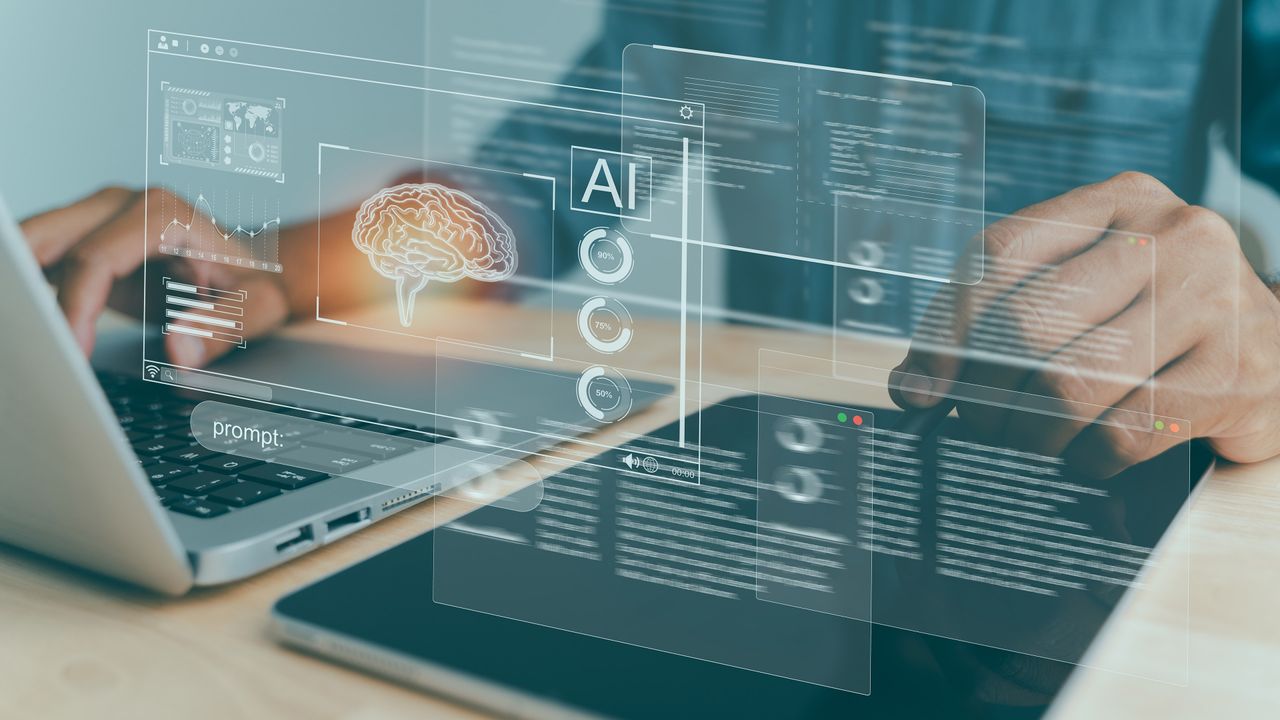
Against that backdrop, artificial intelligence and advanced technologies like RPA, IoT, and machine learning are reshaping supply chains from reactive networks into proactive, resilient ecosystems.
Latest Videos FromWatch full video here: Richard HowellsSocial Links Navigation
VP Marketing for SAP’s Supply Chain solutions.
As a result, we are seeing the job functions shifting from manual execution to strategic oversight, data interpretation, and human-AI collaboration.
Will AI take my job?
When discussing AI, one of the most common questions is “Will AI replace my job?” And my favorite response is that AI will not replace your job, but people leveraging AI will replace those that do not.
You may like-
 AI agents shouldn’t run your supply chain
-
 AI in the warehouse: creating efficiency without leaving people behind
-
 Navigating the rise of agentic AI in 2026
As with previous industrial revolutions, some jobs (usually the mundane and repetitive) will be automated. However, many more value-added and higher-skill jobs will be generated. In fact, the World Economic Forum projects AI will create 170 million jobs while displacing 92 million globally by 2030, yielding a net gain.
Automation of Routine Tasks
AI excels at repetitive, data-heavy work, while boosting efficiency. Inventory clerks, data entry specialists, pickers, packers, and basic freight coordinators are among the most impacted, as physical AI, robotics, and automation software handle counting, sorting, and order processing.
Are you a pro? Subscribe to our newsletterContact me with news and offers from other Future brandsReceive email from us on behalf of our trusted partners or sponsorsBy submitting your information you agree to the Terms & Conditions and Privacy Policy and are aged 16 or over.Freight dispatchers are seeing transactional duties like load assignments automated, shrinking tasks from 20 minutes to under one, and IoT sensors provide real-time GPS fleet tracking, resulting in visibility and traceability. These changes cut errors, labor costs, and delivery times, but they demand workers adapt beyond routine operations.
Emergence of Strategic Roles - From data entry to supply chain orchestrator
In the future, we will see new, more strategic roles, focused on catering to human ingenuity to make decisions where AI becomes the partner to support that decision. These roles will empower employees with the tools needed to prioritize orchestration over execution. For example, robot fleet managers troubleshoot warehouse bots, predictive logistics operations managers forecast disruptions, and supply chain agent managers supervise AI agents as sales management guides teams.
There may be opportunities for resilience architects, who simulate shocks and rewire business networks for agility, and data stewards, who use AI to analyze supplier data, predict issues, and identify savings. Digital operators will leverage AI for real-time load matching and predictive maintenance, turning logistics into proactive optimization. These roles blend operations, technology, and strategy, creating new career pathways for more diverse backgrounds.
What to read next-
 AI is breaking the limits of work (not jobs)
-
 A human-first approach to AI in retail
-
 Gartner: Robots to lead operations in half of new warehouses by 2030
Building trust and embracing AI
As with any new technology shift, organizations have to address the fear, uncertainty, and doubt that comes with it:
Psychological Effect – As AI becomes more embedded in day-to-day work, it can feel threatening to employees. That is something that can only be overcome by showing the value at both the individual and organizational level. For example, how can AI empower employees to do their jobs more efficiently? Warehouse managers, for instance, could use AI-powered inventory systems to predict stockouts and optimize replenishment, reducing waste, and ensuring product availability.
Trust and embrace - Organizations must create an environment where employees feel empowered to experiment with AI. For example, transportation planners can leverage AI-enabled route optimization tools to minimize fuel costs and delivery times, adapting dynamically to traffic or weather conditions.
Transparency – When introducing new business software systems or technologies, it’s critical to bring employees along in the process, engaging them in early and ensuring they understand both the purpose and impact of these changes.
Upskilling existing and new team members
Upskilling is essential, with digital curiosity and strategic agility at the core. Companies that invest in training will see faster adoption and greater long-term value from AI.
Workforce concerns can be addressed through targeted AI training programs that demonstrate how effective AI use can empower employees. For example, human-AI collaboration workshops can help employees interpret AI-generated insights and handle exceptions, fostering greater collaboration between humans and AI agents.
Workers will need to be proficient in AI tools, data analytics, machine learning basics, as well as the ability to collaborate with AI to interpret insights. This can look like demand planners and procurement analysts using predictive models for accurate forecasting, while warehouse leads will manage hybrid human-robot teams.
Challenges and Opportunities Ahead
Although there are transitional risks such as skill gaps and resistance associated with AI, the benefits are clear. AI is proving to be a powerful ally in protecting workers by reducing exposure to hazardous work, while also opening the door for higher-level work.
Supply chain professionals who embrace this shift and recognize the value of working alongside intelligent systems will thrive in the age of AI. The future favors those evolving with technology – that is why predictive visibility and agentic AI demand proactive mindsets, not just execution.
We feature the best online courses and online class sites.
This article was produced as part of TechRadar Pro Perspectives, our channel to feature the best and brightest minds in the technology industry today.
The views expressed here are those of the author and are not necessarily those of TechRadarPro or Future plc. If you are interested in contributing find out more here: https://www.techradar.com/pro/perspectives-how-to-submit
TOPICS AI Richard HowellsSocial Links NavigationVP Marketing for SAP’s Supply Chain solutions.
View MoreYou must confirm your public display name before commenting
Please logout and then login again, you will then be prompted to enter your display name.
Logout Read more
Pro
AI agents shouldn’t run your supply chain
Pro
AI in the warehouse: creating efficiency without leaving people behind
Pro
Navigating the rise of agentic AI in 2026
Pro
AI is breaking the limits of work (not jobs)
Pro
A human-first approach to AI in retail
Pro
Gartner: Robots to lead operations in half of new warehouses by 2030
Latest in Pro
 Pro
Ring has been collecting visitor's facial biometrics without consent, class action lawsuit alleges
Pro
Ring has been collecting visitor's facial biometrics without consent, class action lawsuit alleges
 Pro
Meta's AI Business Agent is a small and medium businesses guru – and it is now available directly through WhatsApp
Pro
Meta's AI Business Agent is a small and medium businesses guru – and it is now available directly through WhatsApp
 Security
‘Data can place the lives of frontline military or other personnel at risk’: FBI warns that China is luring Western military and intelligence operatives with 'gig-work' job offers to steal secrets
Security
‘Data can place the lives of frontline military or other personnel at risk’: FBI warns that China is luring Western military and intelligence operatives with 'gig-work' job offers to steal secrets
 Pro
What are MEMS – and how they change your world: from computers to speakers
Pro
What are MEMS – and how they change your world: from computers to speakers
 Pro
In the AI era, is Shopify the new WordPress?
Pro
In the AI era, is Shopify the new WordPress?
 Pro
The 5 common mistakes enterprises make when choosing AI tools (and how to avoid them)
Latest in Opinion
Pro
What are MEMS – and how they change your world: from computers to speakers
Pro
In the AI era, is Shopify the new WordPress?
Pro
The 5 common mistakes enterprises make when choosing AI tools (and how to avoid them)
Pro
The 5 common mistakes enterprises make when choosing AI tools (and how to avoid them)
Latest in Opinion
Pro
What are MEMS – and how they change your world: from computers to speakers
Pro
In the AI era, is Shopify the new WordPress?
Pro
The 5 common mistakes enterprises make when choosing AI tools (and how to avoid them)
 Pro
The waitlist is not the control: Why frontier cyber AI needs business-side guardrails
Pro
The waitlist is not the control: Why frontier cyber AI needs business-side guardrails
 Pro
A live operational risk: Why AI agents are outrunning your security
Pro
A live operational risk: Why AI agents are outrunning your security
 Pro
AI means CIOs need sovereign cloud more than ever
LATEST ARTICLES
Pro
AI means CIOs need sovereign cloud more than ever
LATEST ARTICLES- 1I played four hours of Ace Combat 8, and now I feel like a real fighter pilot
- 2When might Toy Story 5 be released on Disney+? Here's what we predict
- 3Ring has been collecting visitor's facial biometrics without consent, class action lawsuit alleges
- 4Meta's AI Business Agent is a small and medium businesses guru – and it is now available directly through WhatsApp
- 5Samsung Galaxy Watch users are getting a completely redesigned, AI-first app for a 'personalized experience'