- Pro
Thousands of satellites may be needed to reach SpaceX's goals
When you purchase through links on our site, we may earn an affiliate commission. Here’s how it works.
 (Image credit: SpaceX)
- Copy link
- X
- Threads
- SpaceX plans a massive factory dedicated to producing AI satellites.
- New AI1 spacecraft could bring computing power directly into orbit.
- Musk wants orbital computing capacity measured in gigawatts annually.
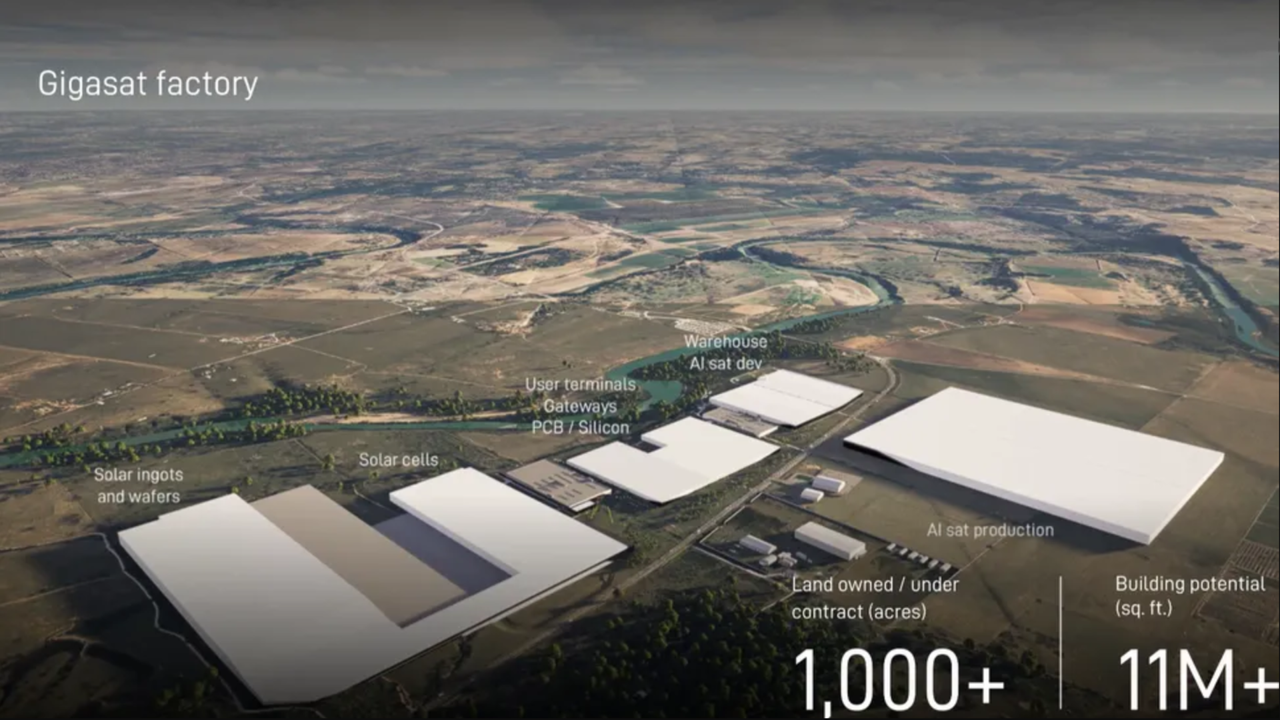
SpaceX has unveiled plans for an enormous manufacturing complex in Bastrop, Texas, that could become central to its ambitions for space-based AI infrastructure.
The proposed Gigasat facility would cover around 11 million square feet and focus on producing satellites designed to function as orbiting data centers.
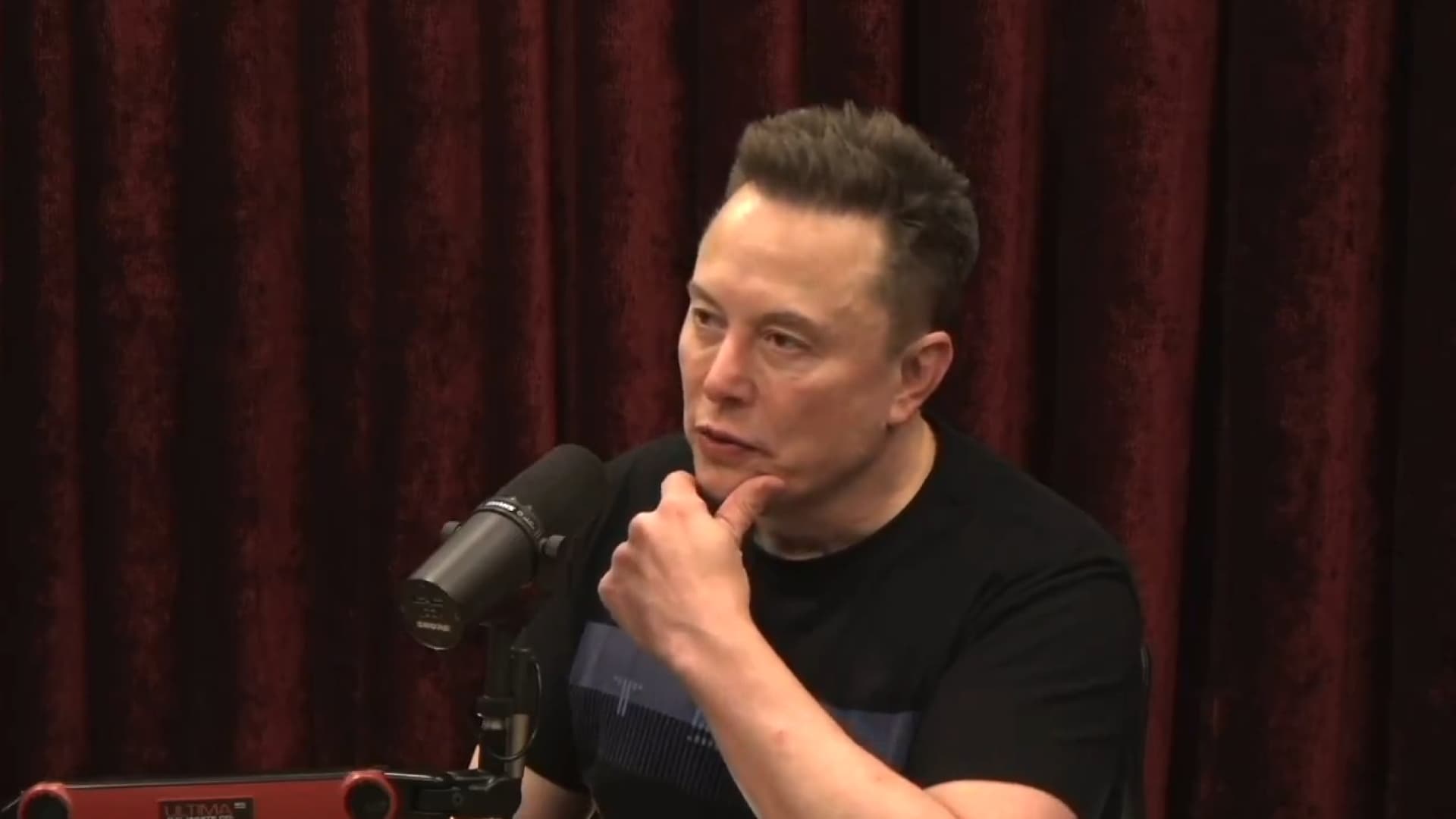
SpaceX CEO Elon Musk claims the Bastrop facility will manufacture much of the hardware required for a new generation of AI satellites.
Latest Videos FromWatch full video here:
SpaceX factory dedicated to orbital AI infrastructure
The site will include production lines for solar components, printed circuit boards, electronic systems, communications equipment, and the satellites themselves.
SpaceX plans to also include testing facilities, logistics infrastructure, warehousing capacity, and dedicated development areas across the facility.
You may like-
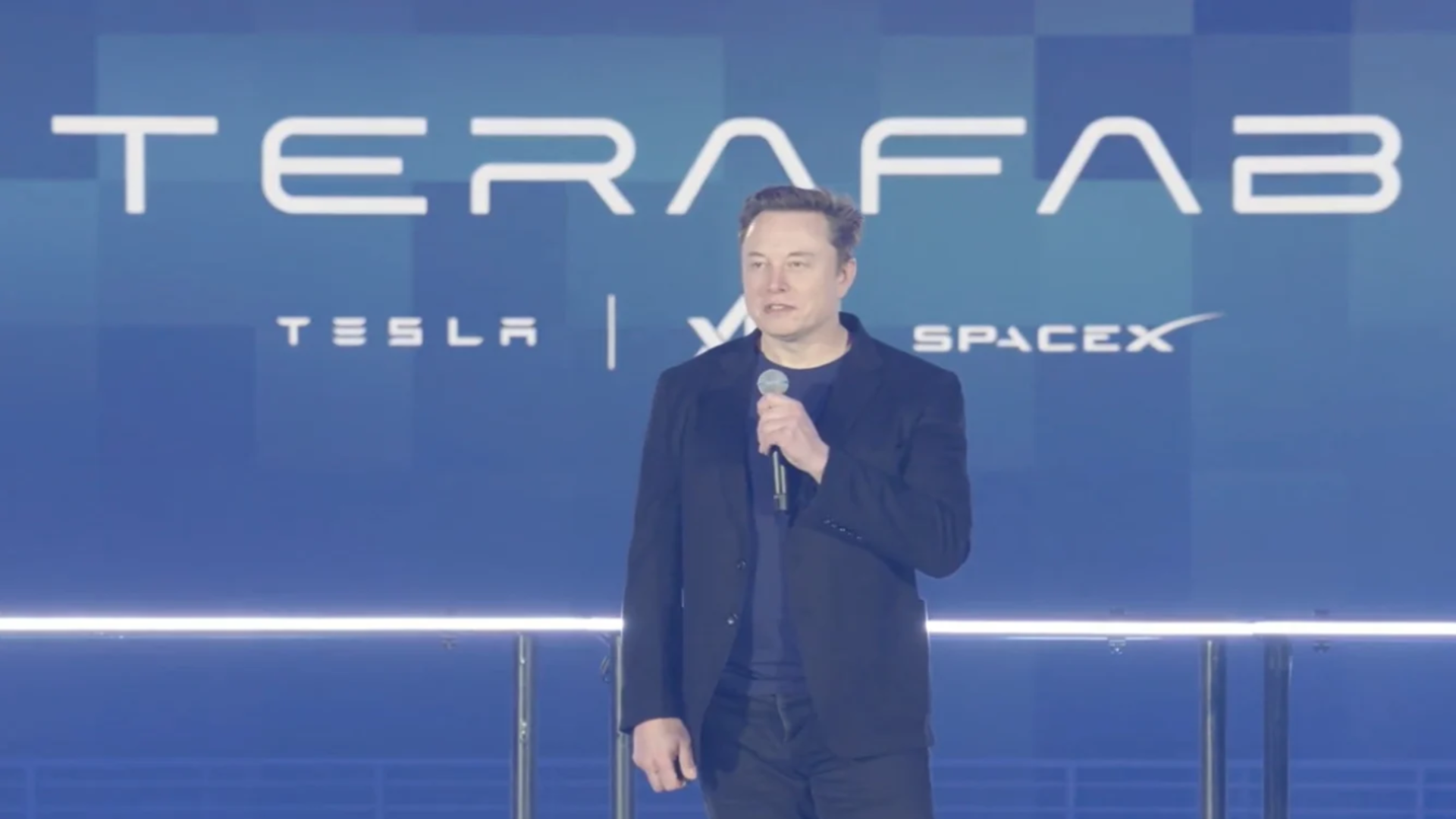
 Elon Musk wants Texas 'Terafab' plant to produce one terawatt of computing power each year
-
 SpaceX warns investors that orbital AI data centers may not be commercially viable
-
 'Our ability to achieve orbital AI at scale depends on our ability to access a sufficient number of AI chips, significantly more than are currently available to us': SpaceX admits that getting data centers in space may fall short due to a lack of chips
At the center of the project is a new spacecraft known as AI1, which the company intends to manufacture in large numbers as a space-based computing platform.
Musk said each satellite would carry a compute payload capable of delivering ~150kW of processing capability while relying on extensive solar arrays for power generation.
Are you a pro? Subscribe to our newsletterContact me with news and offers from other Future brandsReceive email from us on behalf of our trusted partners or sponsorsBy submitting your information you agree to the Terms & Conditions and Privacy Policy and are aged 16 or over.The satellite is also expected to span roughly 70 meters in length, with solar arrays generating power at a density of approximately 250 watts per square meter.
Its design also incorporates large radiator structures intended to manage the significant heat generated by onboard computing systems.
SpaceX expects solar manufacturing activities at the site to begin first, while construction of the primary satellite production building is scheduled to follow.
What to read next-
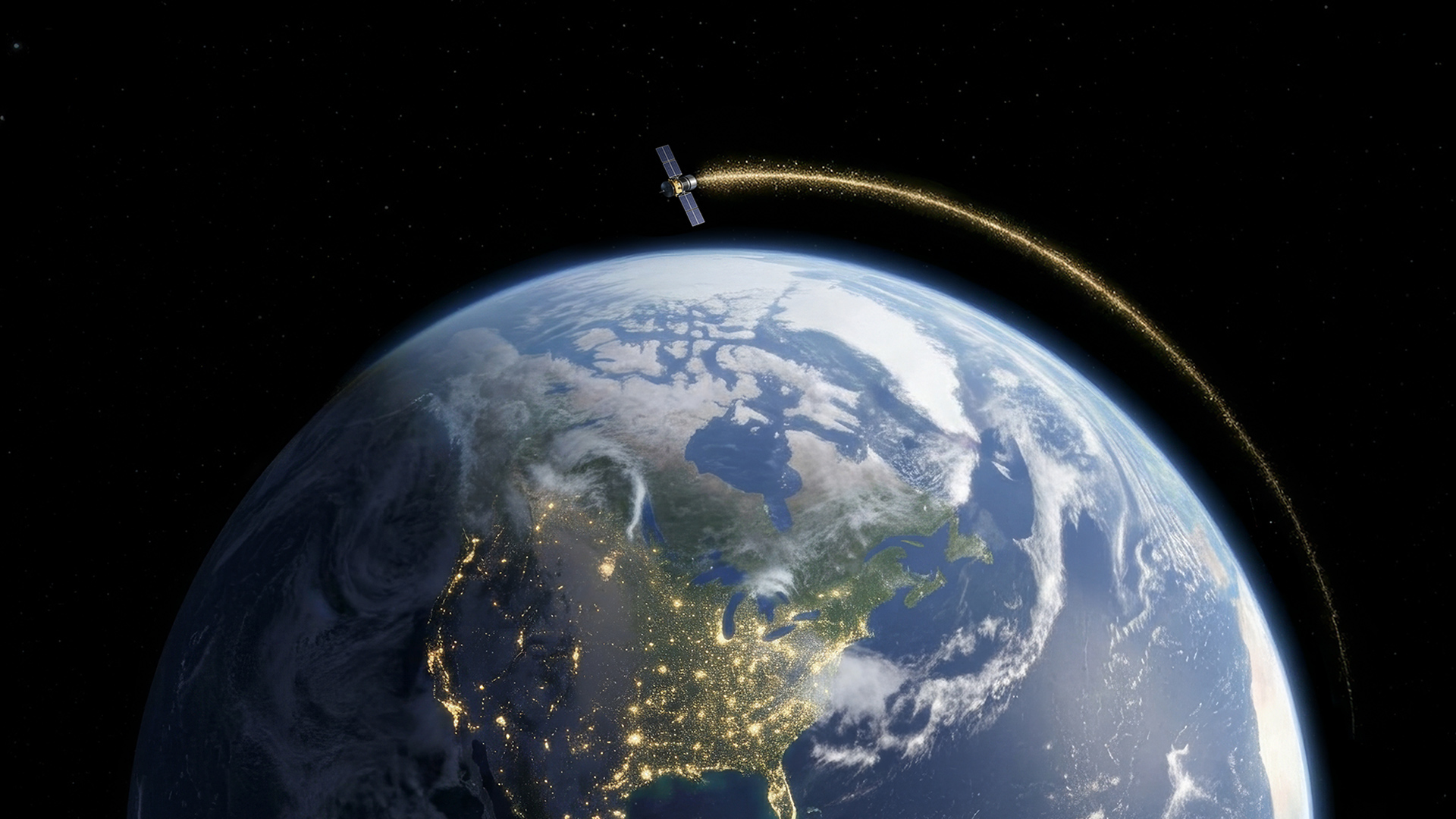 Google and SpaceX are reportedly in talks to build data centers in orbit
-
Nvidia wants to power the next generation of data centers in space
-
 Big Tech eyes orbital data centers for "near continuous" solar power
The company believes the facility could begin producing substantial numbers of AI satellites before the end of 2027.
Achieving the stated goal of 1GW of annual orbital AI compute capacity would require the deployment of thousands of satellites operating collectively in orbit.
“This is what we are going to try to do and think we probably can do, which is to get to roughly an annualized rate of a gigawatt per year by the end of next year,” Musk said while discussing the company’s objectives.
Ambitious growth plans
The long-term vision extends well beyond the initial 1GW objective, and Musk has outlined aspirations to increase production in subsequent years, reaching tens of gigawatts.
He also discussed the possibility of achieving even larger scales if future technology developments support such expansion.
Those ambitions emerge as major technology companies continue investing heavily in conventional AI facilities.
Meta's planned Hyperion data center in Louisiana is expected to scale to 5GW and house around 2 million GPUs.
Similarly, xAI's Colossus 2 facility in Memphis has expanded to nearly 2GW with approximately 555,000 GPUs.
Some of the largest announced projects require enormous electrical capacity and investments ranging from tens of billions to more than $100 billion in infrastructure.
Against that backdrop, orbital data centers are increasingly attracting attention as a possible alternative approach for supporting future computational demand.
SpaceX may hold certain advantages because many technologies required for large-scale satellite production already exist within its broader operations.
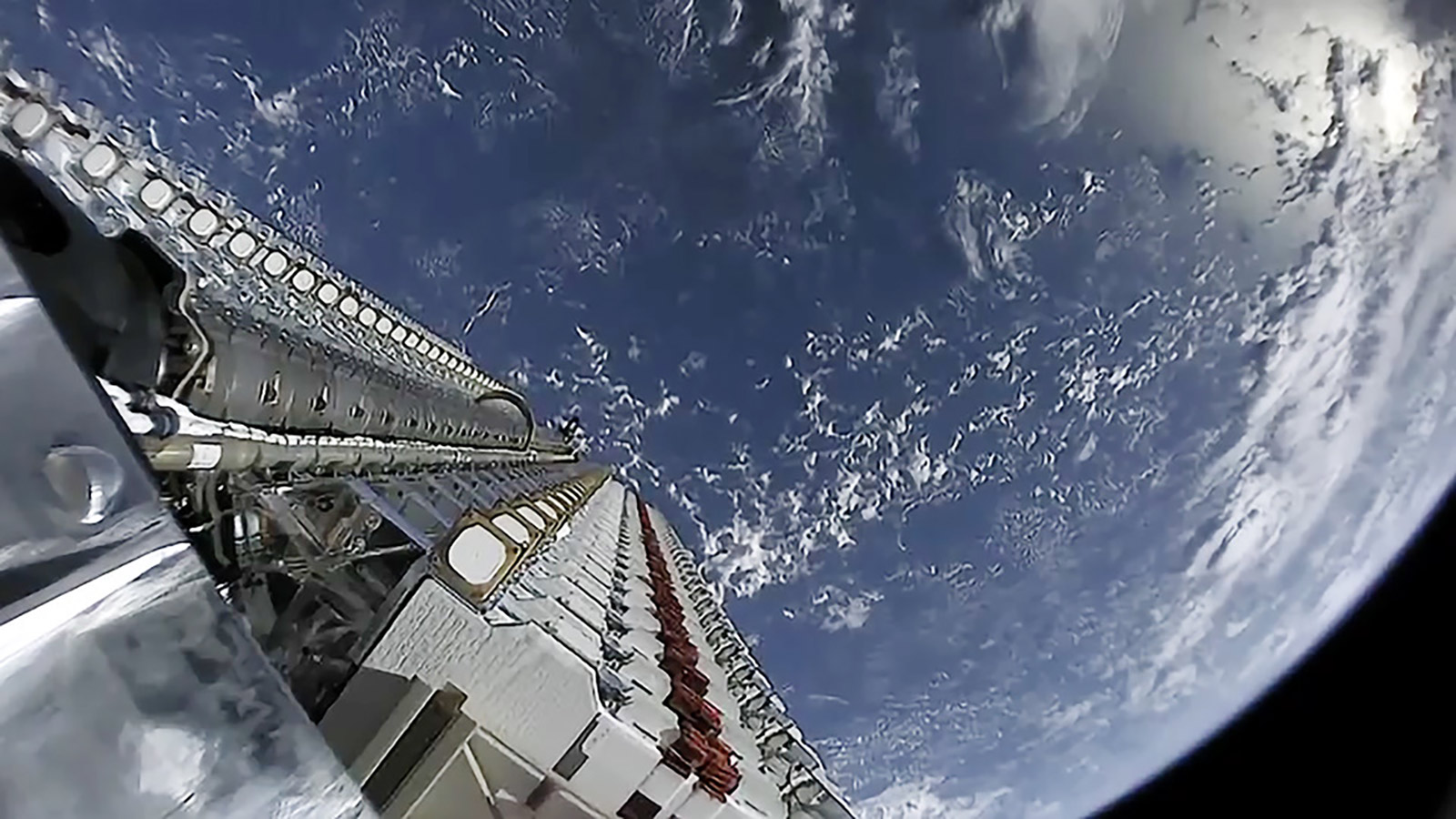
Much of that experience comes from the company's extensive work designing, manufacturing, and deploying Starlink spacecraft over several years.
Producing solar arrays, satellite structures, communications hardware, and related systems relies largely on established aerospace manufacturing processes.
The Gigasat facility is also expected to be more than 10x larger than Starfactory, currently SpaceX's largest spacecraft manufacturing complex.
Those requirements differ significantly from advanced semiconductor fabrication, making some aspects of the project more achievable within the proposed timeframe.
Whether the company ultimately reaches its longer-term objectives remains uncertain, particularly given the immense scale implied by future expansion plans.

Follow TechRadar on Google News and add us as a preferred source to get our expert news, reviews, and opinion in your feeds.
 Efosa UdinmwenFreelance Journalist
Efosa has been writing about technology for over 7 years, initially driven by curiosity but now fueled by a strong passion for the field. He holds both a Master's and a PhD in sciences, which provided him with a solid foundation in analytical thinking.
View MoreYou must confirm your public display name before commenting
Please logout and then login again, you will then be prompted to enter your display name.
Logout Read more
Pro
Elon Musk wants Texas 'Terafab' plant to produce one terawatt of computing power each year
Pro
SpaceX warns investors that orbital AI data centers may not be commercially viable
Pro
'Our ability to achieve orbital AI at scale depends on our ability to access a sufficient number of AI chips, significantly more than are currently available to us': SpaceX admits that getting data centers in space may fall short due to a lack of chips
Computing
Google and SpaceX are reportedly in talks to build data centers in orbit
Pro
Nvidia wants to power the next generation of data centers in space
 Pro
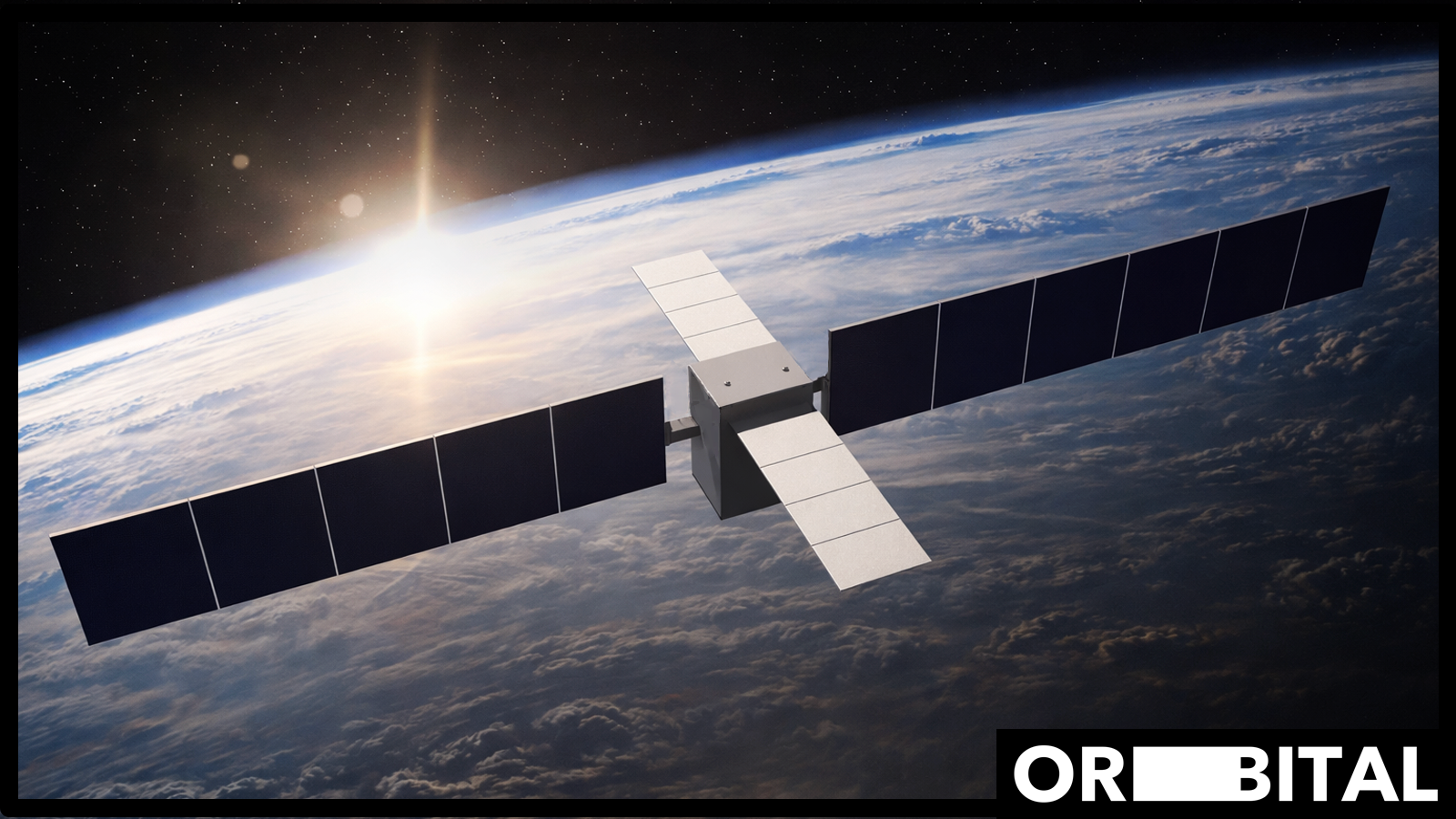
Orbital is planning to launch AI data centers into space to solve power and cooling issues
Latest in Pro
Pro
Orbital is planning to launch AI data centers into space to solve power and cooling issues
Latest in Pro
 Pro
Arzopa Z3FC portable monitor review
Pro
Arzopa Z3FC portable monitor review
 Pro
The gender data gap and the need for representation in AI
Pro
The gender data gap and the need for representation in AI
 Pro
Crusoe claimed it “paused” a plan to build a Wyoming data center after it failed to win customers including Google
Pro
Crusoe claimed it “paused” a plan to build a Wyoming data center after it failed to win customers including Google
 Pro
The shift from workflow automation to autonomous enterprises
Pro
The shift from workflow automation to autonomous enterprises
 Pro
Why most AI programs stall, and what it will take to scale them
Pro
Why most AI programs stall, and what it will take to scale them
 Pro
A major KPMG report on AI was found to be chock-full of...AI hallucinations
Latest in News
Pro
A major KPMG report on AI was found to be chock-full of...AI hallucinations
Latest in News
 How to Watch
How to watch USA vs Paraguay on Tubi (it's free)
How to Watch
How to watch USA vs Paraguay on Tubi (it's free)
 iOS
One of iOS 27's best Apple Wallet features is coming to Disney World this fall
iOS
One of iOS 27's best Apple Wallet features is coming to Disney World this fall
 Gaming
Resident Evil Veronica producer says Capcom changed the title to fit the series' naming pattern which follows the individual themes attached to each entry — 'It's usually one word that is really iconic or connected to the concept of the game'
Gaming
Resident Evil Veronica producer says Capcom changed the title to fit the series' naming pattern which follows the individual themes attached to each entry — 'It's usually one word that is really iconic or connected to the concept of the game'
 Wireless & Bluetooth Speakers
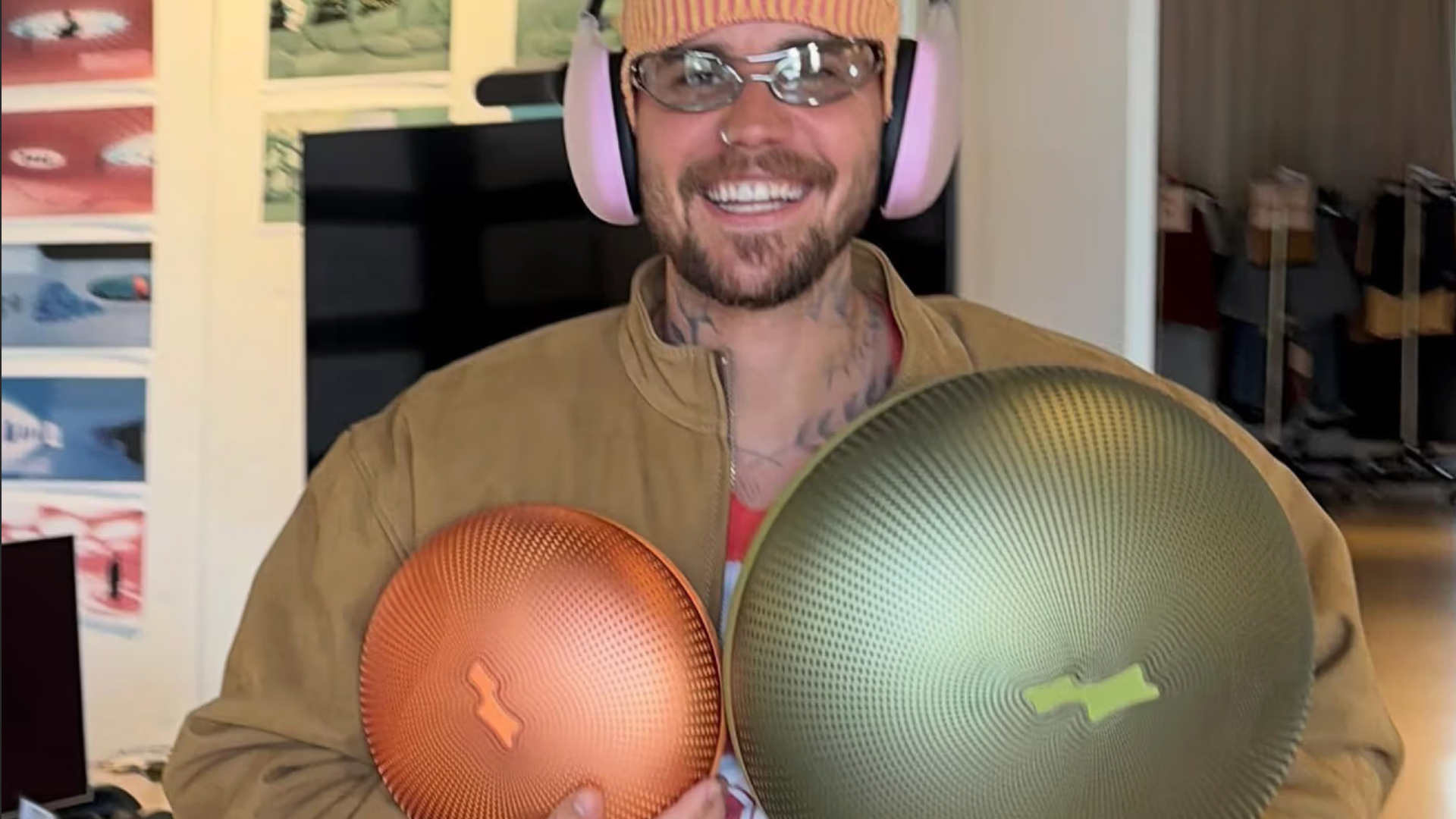
Peaches? No, they’re Justin Bieber’s new SKYLRK Audio speakers
Wireless & Bluetooth Speakers
Peaches? No, they’re Justin Bieber’s new SKYLRK Audio speakers
 VPN Services
NordVPN’s next-gen antivirus aces independent testing with a 96% phishing block rate
VPN Services
NordVPN’s next-gen antivirus aces independent testing with a 96% phishing block rate
 Spotify
 adds short-form videos to New Music Friday playlist
LATEST ARTICLES
Spotify
Spotify adds short-form videos to New Music Friday playlist
LATEST ARTICLES- 1I am unashamedly in love with the adorable Boox Tappy ereader page turner — but I'm heartbroken it doesn't work with my Kindle
- 2NYT Connections hints and answers for Saturday, June 13 (game #1098)
- 3Quordle hints and answers for Saturday, June 13 (game #1601)
- 4NYT Strands hints and answers for Saturday, June 13 (game #832)
- 5Quote of the day by inventor of the World Wide Web, Tim Berners-Lee: "Data is a precious thing and will last longer than the systems themselves" — highlighting the longevity of data as a resource