- Tech
Reuters report flags Starlink concerns, including an incident that left drones bobbing in the water for almost an hour
When you purchase through links on our site, we may earn an affiliate commission. Here’s how it works.
 (Image credit: SpaceX)
- Copy link
- X
- Threads
Sign up for breaking news, reviews, opinion, top tech deals, and more.
Become a Member in Seconds
Unlock instant access to exclusive member features.
Contact me with news and offers from other Future brands Receive email from us on behalf of our trusted partners or sponsors By submitting your information you agree to the Terms & Conditions and Privacy Policy and are aged 16 or over.You are now subscribed
Your newsletter sign-up was successful
Join the club
Get full access to premium articles, exclusive features and a growing list of member rewards.
Explore An account already exists for this email address, please log in. Subscribe to our newsletter- A Starlink outage meant 24 unmanned vessels were left bobbing in the water for almost an hour, according to a report
- Reuters claims previous incidents with flaky network connectivity highlight concerns with Starlink and controlling drones
- However, an autonomous warfare expert observed: "You accept those vulnerabilities because of the benefits you get from the ubiquity [Starlink] provides."
Tests of US Navy drone vessels have seemingly exposed weaknesses in terms of the reliance on Starlink for network connectivity with these unmanned craft.
Reuters reports that in testing that took place in August of last year, some 24 of these drone vessels – which resemble speedboats without seats – were left floating listlessly in the water off the California coast for the best part of an hour, due to a global outage that hit the Starlink broadband network.
This worrying incident, and others where flaky network connectivity had proved problematic for US operations with drones, were highlighted by an anonymous source, and in internal documents from the Navy which Reuters gained access to.
Article continues below You may like-
 No dropouts, no stress: United’s Starlink Wi-Fi just works — and the rollout to every plane can’t come soon enough
-
 Skydio just landed a record $52 million drones order from the US military
-
 Iran's internet shutdown proves we need to go beyond Starlink, VPNs — this tech may be the solution
An intermittent network connection had proved problematic in tests in the weeks running up to the outage in August. Further to that, we're told that in April 2025, Navy tests involving these unmanned boats (and also airborne drones) were disrupted as Starlink "struggled to provide a solid network connection" given the high bandwidth needed due to the number of craft involved.
Reuters observed that the Navy report stated: "Starlink reliance exposed limitations under multiple-vehicle load." (Starlink wasn't the sole point of failure here, though, as there were other issues with the radios used, and a network system provided by Viasat).
The Pentagon wouldn't be drawn to respond to questions on the drone tests, and the US Navy and SpaceX declined to comment when contacted by Reuters.
Analysis: spacing out

Clearly, this is a concerning report, and it raises questions as to whether the US military should be looking at alternatives to using Starlink for controlling drones (or indeed for missile tracking). The trouble is – what are those alternatives? Nothing on the scale of what Elon Musk's SpaceX can offer, of course.
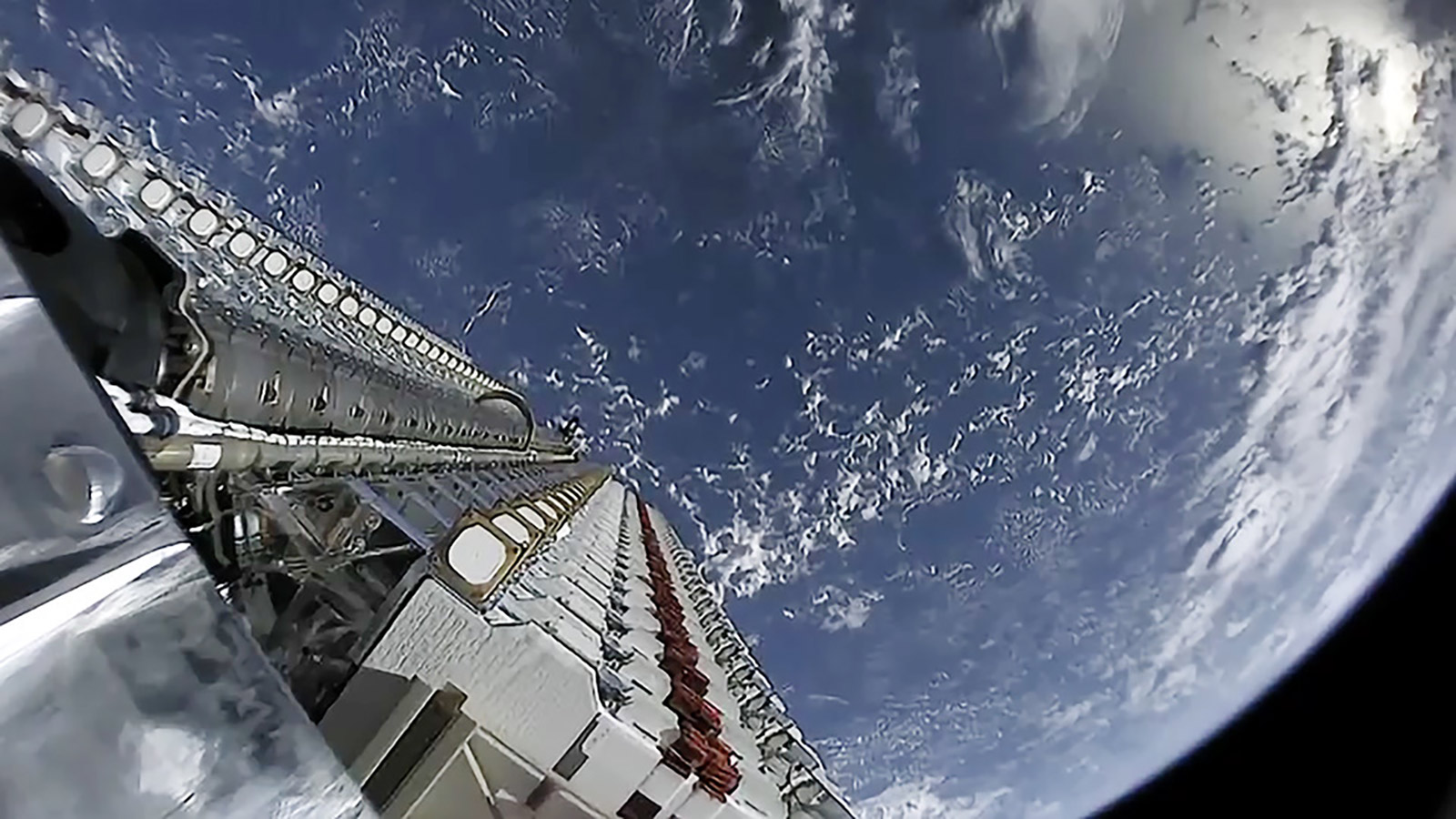
Get daily insight, inspiration and deals in your inboxContact me with news and offers from other Future brandsReceive email from us on behalf of our trusted partners or sponsorsBy submitting your information you agree to the Terms & Conditions and Privacy Policy and are aged 16 or over.Starlink is, as Reuters points out, a cheap and commercially available service, one bristling with an array of some 10,000 low-earth orbit satellites. The report quotes Clayton Swope, a deputy director of the Aerospace Security Project at the Center for Strategic and International Studies, who said: "If there was no Starlink, the US government wouldn't have access to a global constellation of low earth orbit communications."
Regarding the network flakiness observed, Bryan Clark, an autonomous warfare expert at the Hudson Institute, added: "You accept those vulnerabilities because of the benefits you get from the ubiquity it [Starlink] provides."
The online arguments then run along the lines of: well, the US government should be building its own satellite system. Of course, that's a lot easier said than done, and not just from a financial perspective, because SpaceX has a key logistical advantage in terms of its capabilities to get satellites launched into orbit in a timely manner.
What to read next-
 Russia is launching a stratospheric balloon relay network to counter Starlink restrictions, but it has one major flaw — the wind
-
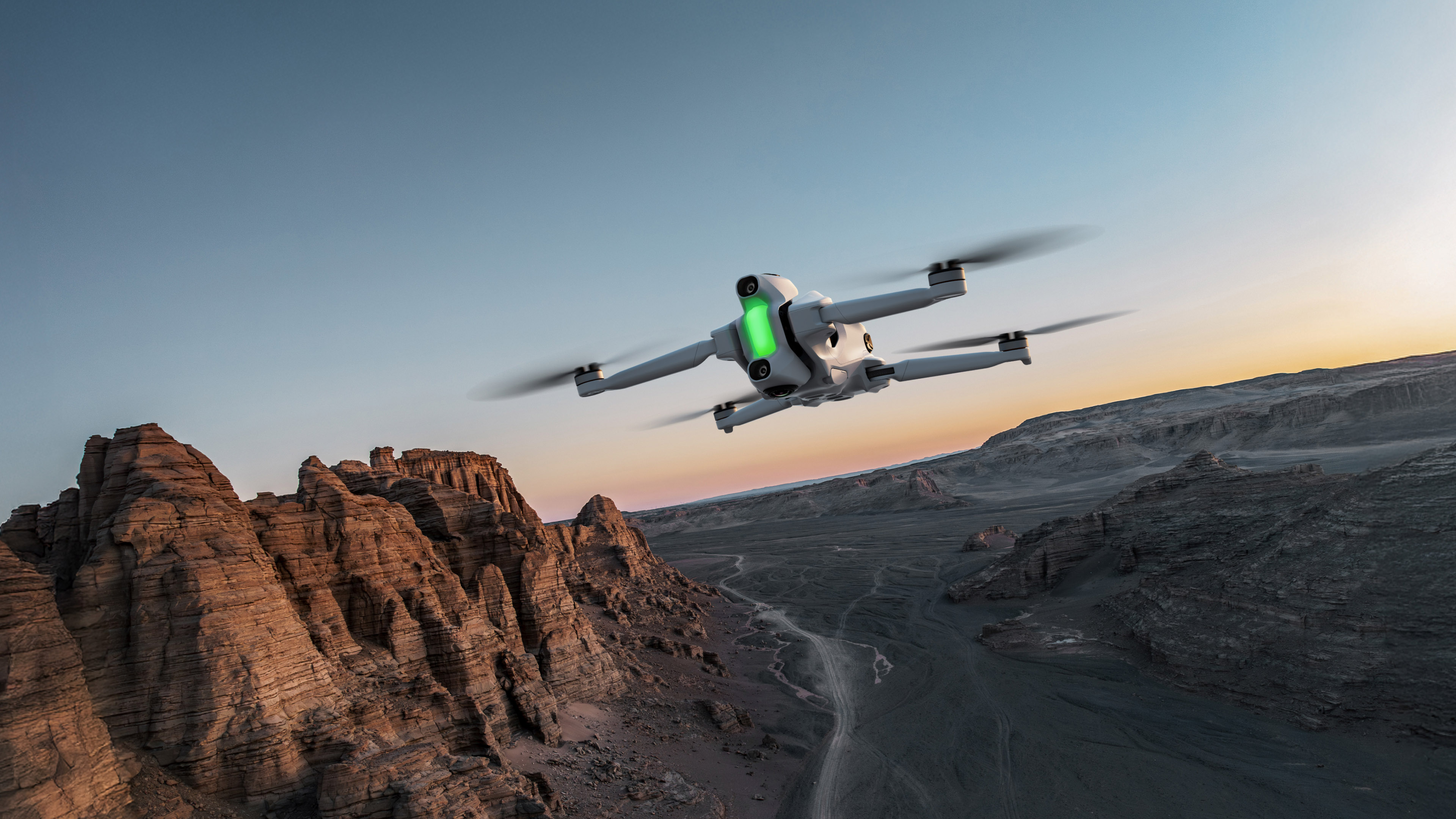 The Pentagon wants swarms of voice-controlled AI drones, and is offering a $100 million prize as a reward — and Elon Musk's SpaceX is taking pole position
-
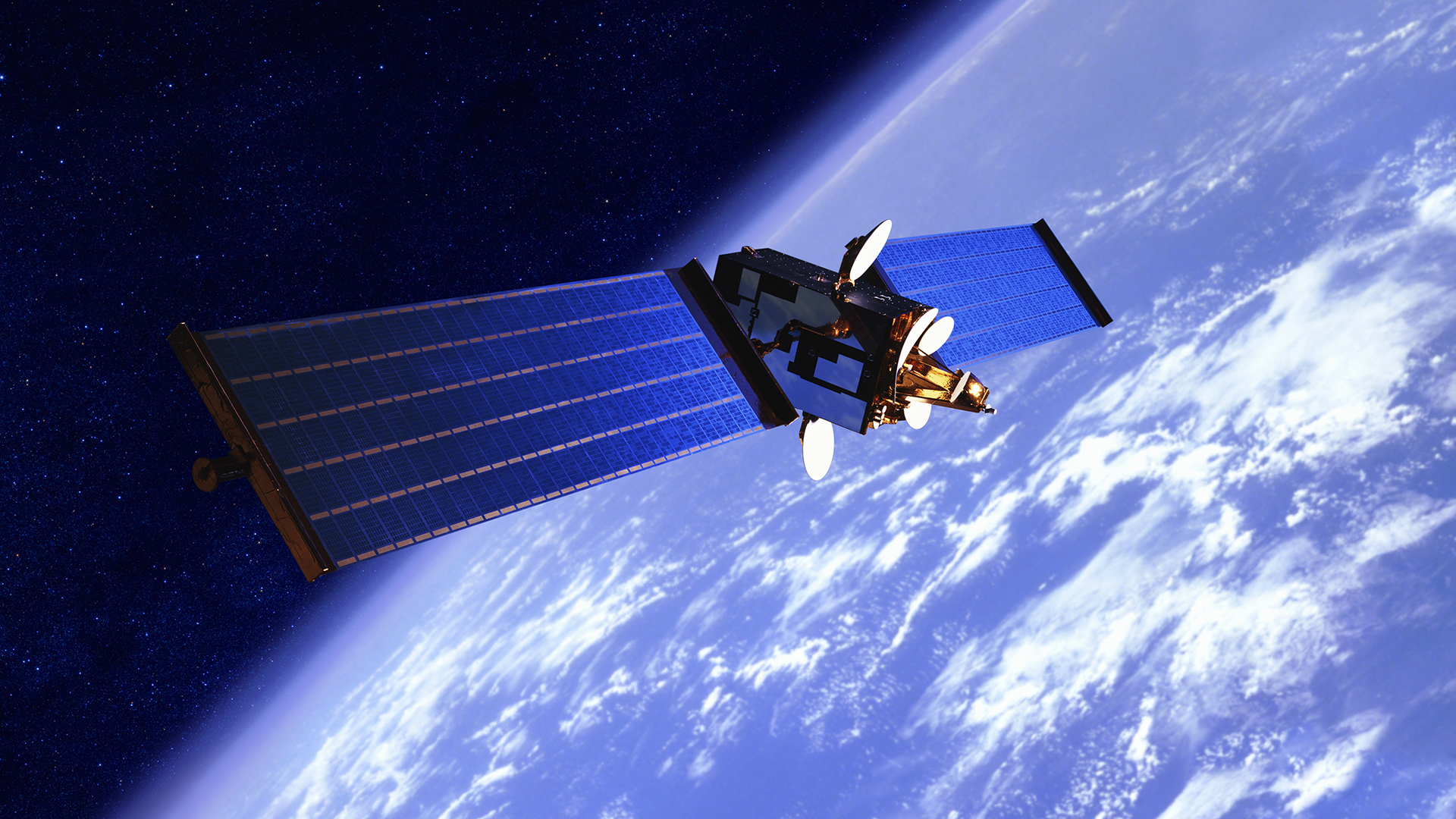 SpaceX has applied to launch another million satellites into orbit
Just look at Amazon, which is currently engaged in building its Starlink rival, Leo. This satellite internet service was supposed to be available at the end of 2025, but it won't be until mid-2026 now (it's not yet clear if that means consumers or not, either).
As Engadget recently reported, Amazon was aiming to have 1,600 satellites in orbit by July 2026, and now it expects that Leo will comprise less than half that — around 700 — by that time. Currently, it has 241 satellites operational, a drop in a drone-filled ocean compared to Starlink – and of course it remains to be seen if that downwardly-revised 700 target for the middle of 2026 is hit.
You get the point, then, about the limited options here. Although that doesn't mean the US government couldn't investigate other ways forward in terms of much longer-term planning, mind, because clearly these kinds of systems must be robust and reliable when it comes to using them outside of testing.
 The best laptops for all budgetsOur top picks, based on real-world testing and comparisons
➡️ Read our full guide to the best laptops1. Best overall: Apple MacBook Air 13-inch M52. Best budget: Apple MacBook Neo3. Best Windows 11 laptopMicrosoft Surface Laptop 13-inch4. Best thin and light:Lenovo Yoga Slim 9i5. Best UltrabookAsus Zenbook S 16

Follow TechRadar on Google News and add us as a preferred source to get our expert news, reviews, and opinion in your feeds. Make sure to click the Follow button!
And of course, you can also follow TechRadar on YouTube and TikTok for news, reviews, unboxings in video form, and get regular updates from us on WhatsApp too.
Darren AllanDarren is a freelancer writing news and features for TechRadar (and occasionally T3) across a broad range of computing topics including CPUs, GPUs, various other hardware, VPNs, antivirus and more. He has written about tech for the best part of three decades, and writes books in his spare time (his debut novel - 'I Know What You Did Last Supper' - was published by Hachette UK in 2013).
View MoreYou must confirm your public display name before commenting
Please logout and then login again, you will then be prompted to enter your display name.
Logout Read more
Drones
Skydio just landed a record $52 million drones order from the US military
VPN Privacy & Security
Iran's internet shutdown proves we need to go beyond Starlink, VPNs — this tech may be the solution
Pro
Russia is launching a stratospheric balloon relay network to counter Starlink restrictions, but it has one major flaw — the wind
Computing
SpaceX has applied to launch another million satellites into orbit
Pro
The Pentagon wants swarms of voice-controlled AI drones, and is offering a $100 million prize as a reward — and Elon Musk's SpaceX is taking pole position
 Pro
Outages, cable cuts, power failures, and more - 2025 was a rough year for the internet; these were its toughest moments
Latest in Tech
Pro
Outages, cable cuts, power failures, and more - 2025 was a rough year for the internet; these were its toughest moments
Latest in Tech
 Tech
Our sister site Tom's Guide just got a massive upgrade — check it out now
Tech
Our sister site Tom's Guide just got a massive upgrade — check it out now
 Tech
ICYMI: the 7 biggest tech stories of the week
Tech
ICYMI: the 7 biggest tech stories of the week
 Tech
ICYMI: the 7 biggest tech stories of the week
Tech
ICYMI: the 7 biggest tech stories of the week
 Tech
Lab-grown T-Rex leather showcased in new luxury handbag
Tech
Lab-grown T-Rex leather showcased in new luxury handbag
 Tech
‘You can’t spread your energy like peanut butter’: Tim Cook shares rare insight into Apple’s ‘ruthless’ approach to new ideas — and it says a lot about what to expect (or not) from the company moving forward
Tech
‘You can’t spread your energy like peanut butter’: Tim Cook shares rare insight into Apple’s ‘ruthless’ approach to new ideas — and it says a lot about what to expect (or not) from the company moving forward
 Computing
Apple turns 50 — we’re live tracking the celebration, surprises, and more
Latest in News
Computing
Apple turns 50 — we’re live tracking the celebration, surprises, and more
Latest in News
 Samsung Galaxy Phones
Samsung explains why it no longer makes small smartphones
Samsung Galaxy Phones
Samsung explains why it no longer makes small smartphones
 Turntables
‘Your vinyl, vacuum-clamped’: this elite turntable makes your records float on air
Turntables
‘Your vinyl, vacuum-clamped’: this elite turntable makes your records float on air
 Mirrorless Cameras
Insta360's first mirrorless camera leaked — and it's splitting opinion
Mirrorless Cameras
Insta360's first mirrorless camera leaked — and it's splitting opinion
 Virtual Reality & Augmented Reality
Meta hikes Quest 3 and Quest 3S prices — and blames the RAM crisis
Virtual Reality & Augmented Reality
Meta hikes Quest 3 and Quest 3S prices — and blames the RAM crisis
 Storage & Backup
More fake Samsung SSDs have been spotted – and CPU sales are slumping badly
Storage & Backup
More fake Samsung SSDs have been spotted – and CPU sales are slumping badly
 Gaming
007 First Light has its own Bond theme by award-winning singer Lana Del Rey
LATEST ARTICLES
Gaming
007 First Light has its own Bond theme by award-winning singer Lana Del Rey
LATEST ARTICLES- 1Starlink outage left 24 unmanned US Navy vessels stranded in the water
- 2Samsung explains why it no longer makes small smartphones
- 3Microsoft experts warn North Korean attackers are targeting macOS users
- 4Meta hikes Quest 3 and Quest 3S prices — and blames the RAM crisis
- 5Why doesn't Canva just use GPT, Claude, Gemini...?