- News
- Health
Charlotte Murphy kept experiencing barriers to support and was never admitted to an inpatient unit for her eating disorder
Rebecca Whittaker Sunday 19 April 2026 17:56 BST- Bookmark
- CommentsGo to comments
Bookmark popover
Removed from bookmarks
Close popoverStrictly’s Dianne Buswell opens up on secret eating disorder
Sign up for our free Health Check email to receive exclusive analysis on the week in health
Get our free Health Check email
Get our free Health Check email
Email*SIGN UPI would like to be emailed about offers, events and updates from The Independent. Read our Privacy notice
The loved ones of a woman who had battled an eating disorder for more than a decade said she was repeatedly denied access to treatment before she died aged 26.
Charlotte Murphy, a veterinary nurse from Merseyside, battled anorexia and bulimia since she was 11, but was told she was “too thin” or “not thin enough” to qualify for support.
Even as her health deteriorated and she was admitted to hospital for seizures and a heart condition, no specialist inpatient bed was made available.
Her friends and family are now speaking out about what they believe is part of a systemic failure in care.
Lifelong friend Phoebe Campbell, 29, told The Independent: “There were always barriers to getting support. She was told she was too thin, then not thin enough, then not sick enough, and then eventually too sick for treatment.”
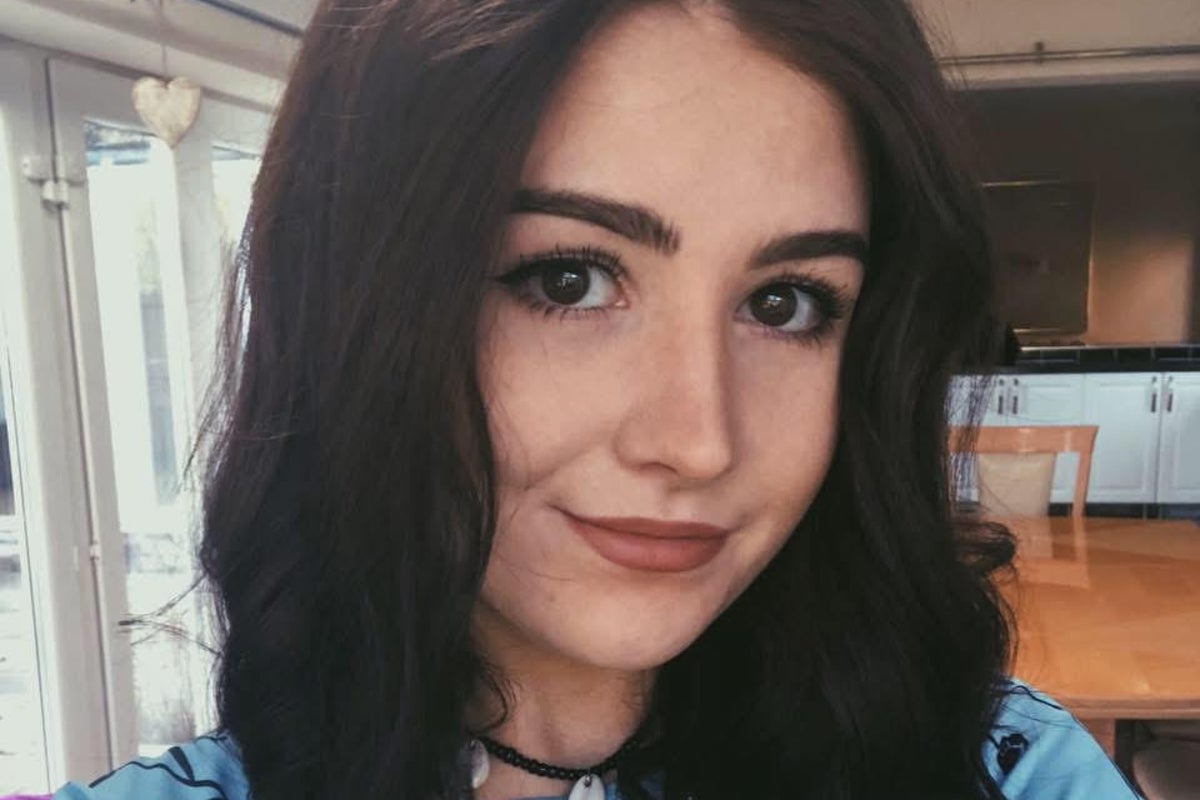
 open image in galleryCharlotte Murphy died aged 26 following a long battle with bulimia and anorexia (Supplied)
Ms Campbell didn’t know her best friend was battling an eating disorder throughout most of their school years until it became visible at the age of 17, when Charlotte received a diagnosis.
It is estimated that around 1.25 million people in the UK have an eating disorder. Anorexia is an eating disorder where people try to keep their weight as low as possible, while people who have bulimia binge and then make themselves sick to get rid of the food.
In some cases, people are offered cognitive behavioural therapy for eating disorders, and others may be admitted to a hospital or a clinic for treatment. But Charlotte was never admitted to an inpatient unit for her eating disorder. Instead, her family paid for her to see a psychologist.
Throughout her twenties, Charlotte was getting increasingly ill and developing more physical health complications.
Her mother, Lesley Murphy, explained how her daughter was diagnosed with epileptic seizures, which were caused by having low potassium levels due to her restrictive diet.
“Every time she was in hospital, and I’d explain about her eating disorder, they never seemed to link the two together,” Ms Murphy told The Independent.
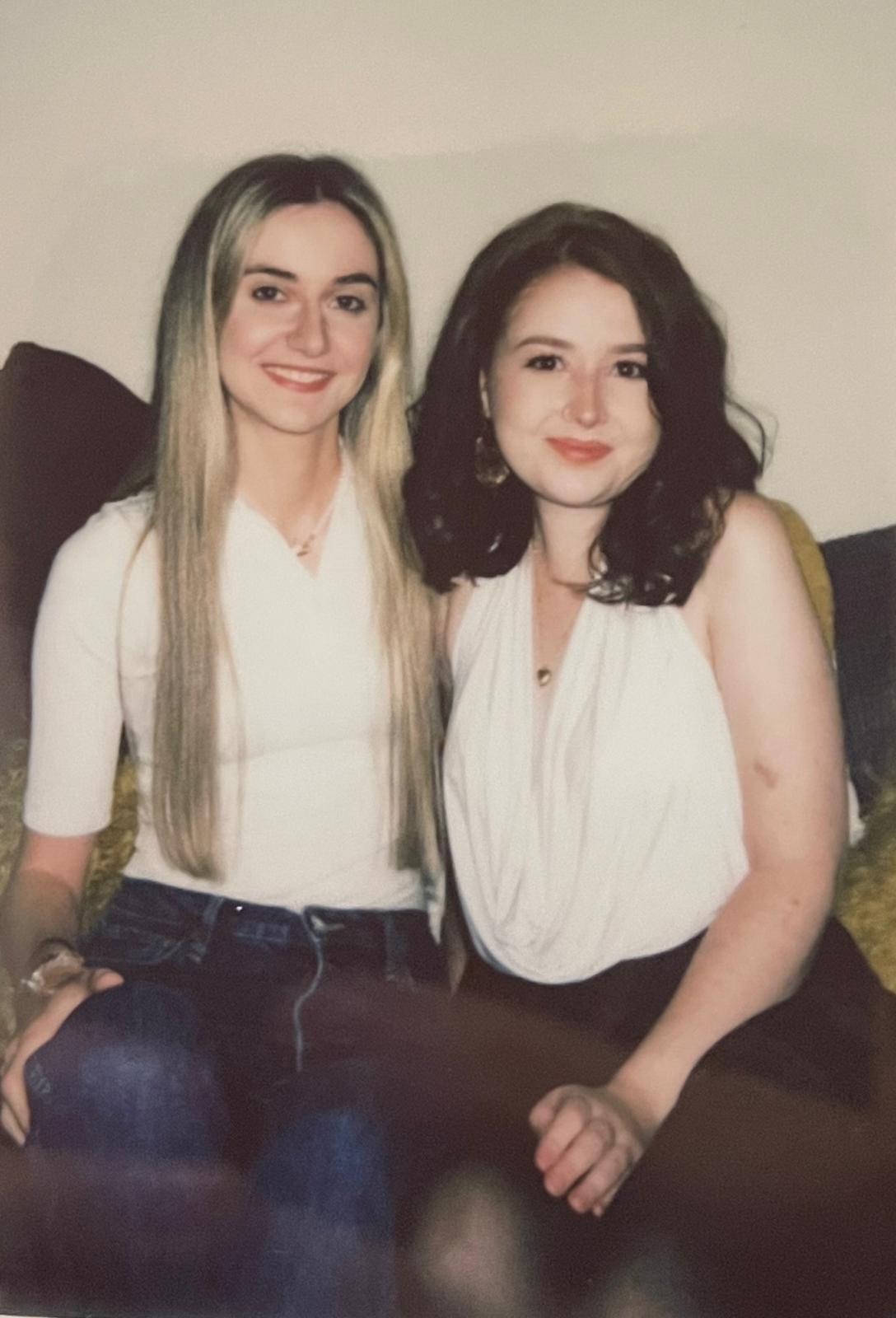 open image in galleryCharlotte, right, pictured with her close friend Phoebe Campbell, left, who is now speaking out about failings in care for people with eating disorders (Supplied)
Even when she was seen by specialists at the Stein Centre, a mental health facility, she was told they could not treat her further due to her weight. Charlotte died later that year on 22 August 2023 of natural causes.
“It’s just so awful to think, but I do think it could have all been avoided,” Ms Murphy said.
“She had a bright future ahead of her. Before she passed, she left a note explaining that she wanted her story out there, to help those who share the struggles she faced every day.”
But Charlotte’s story is far from unique, according to the Dump the Scales campaign, which is calling on the government to confront what they describe as a “deadly systemic failure” in eating disorder care.
A damning report published in December 2025 by the National Audit of Eating Disorders found that some inpatient units and hospitals are excluding patients because their body mass index (BMI) is either too low or too high.
“We need immediate action because if this continues, more people are just going to continue to be failed and ultimately die,” Ms Campbell said.
Founder of Dump the Scales, Hope Virgo, also grew up with an eating disorder. When she relapsed, she struggled to access NHS treatment because of her weight.
“I realised it happens to millions of people,” she told The Independent. “We have got to stop people thinking that eating disorders are a weight-based illness and we’ve got to move away from this fixation on BMI.”
.jpeg) open image in galleryCharlotte was never admitted to a clinic for her eating disorder and her family paid for private sessions with a psychologist (Supplied)
open image in galleryCharlotte was never admitted to a clinic for her eating disorder and her family paid for private sessions with a psychologist (Supplied)Vanessa Longley, the chief executive of eating disorder charity Beat, explained that you can’t see an eating disorder.
“You can have a very serious eating disorder and yet have no change in your physical shape, or you can be in a larger body and still be at a really high risk. The criteria clinicians are using don’t often recognise that,” she told The Independent.
“People get turned away and told they are not enough for treatment, and all that happens is people get more and more ill.”
A Department of Health and Social Care spokesperson said: “Our sympathies are with the family and friends of Charlotte. For too long, people with eating disorders have not been getting the support they deserve.
“That’s why we are working with NHS England to strengthen community-based eating disorder services, to improve outcomes and recovery for patients.”
As part of the 10 Year Health Plan, 8,000 additional mental health workers have been recruited since July 2024.
Cheshire and Wirral Partnership NHS Foundation Trust said: “Our thoughts and condolences remain very much with the family and friends of Charlotte Murphy. However, due to patient confidentiality, we are unable to comment on matters relating to an individual person’s care.”
For anyone struggling with the issues raised in this article, eating disorder charity Beat’s helpline is available 365 days a year on 0808 801 0677.
NCFED offers information, resources and counselling for those suffering from eating disorders, as well as their support networks. Visit eating-disorders.org.uk or call 0845 838 2040.
More about
Eating DisorderweighttreatmentJoin our commenting forum
Join thought-provoking conversations, follow other Independent readers and see their replies
Comments