 By Hollie Silverman0ShareNewsweek is a Trust Project memberSee more of our trusted coverage when you search.Prefer Newsweek on Googleto see more of our trusted coverage when you search.
Hundreds of rescuers are scouring California’s rugged Desolation Wilderness for missing hiker Jason Coughran, as the search entered its second week with nearly 200 personnel deployed in one of the region’s largest coordinated search efforts.
The case has drawn a significant multiagency response, with teams from across California and beyond working together, to find the missing 60-year-old, who was last seen in the Desolation Wilderness Area by Fallen Leaf Lake in the Eldorado National Forest and Lake Tahoe Basin.
He was last seen hiking at Angora Peak at 11 a.m. local time on May 25, according to a missing flyer from the El Dorado County Sheriff's Office. The flyer said he was believed to have been wearing khaki shorts, but his exact clothing was unknown.
Read More on NewsDr. Oz Says Trump Goes for Frequent Checkups Because He ‘Likes the Results’3 min read Donald Trump’s AI Executive Order: What Changed After Delayed Announcement4 min read
 US Emergency Oil Reserve Approaching All-Time Low Despite Trump Promise4 min read
"Please know that the weather can be unpredictable in the high elevations," the sheriff's office warned, adding, "Please plan accordingly when venturing in the wilderness."
Newsweek reached out to the sheriff's office by email Tuesday for more information.
 ...
...Hundreds Searching
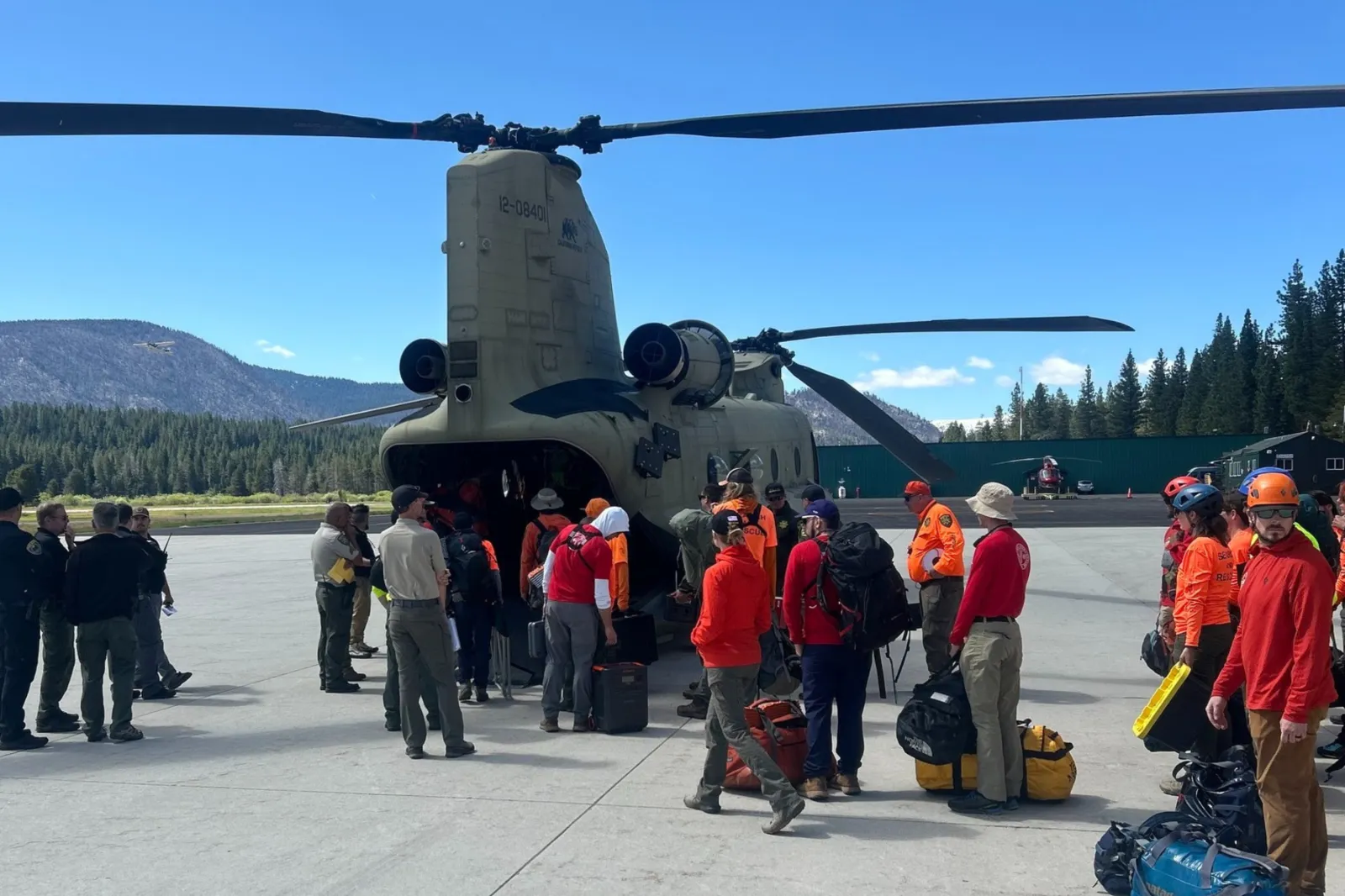
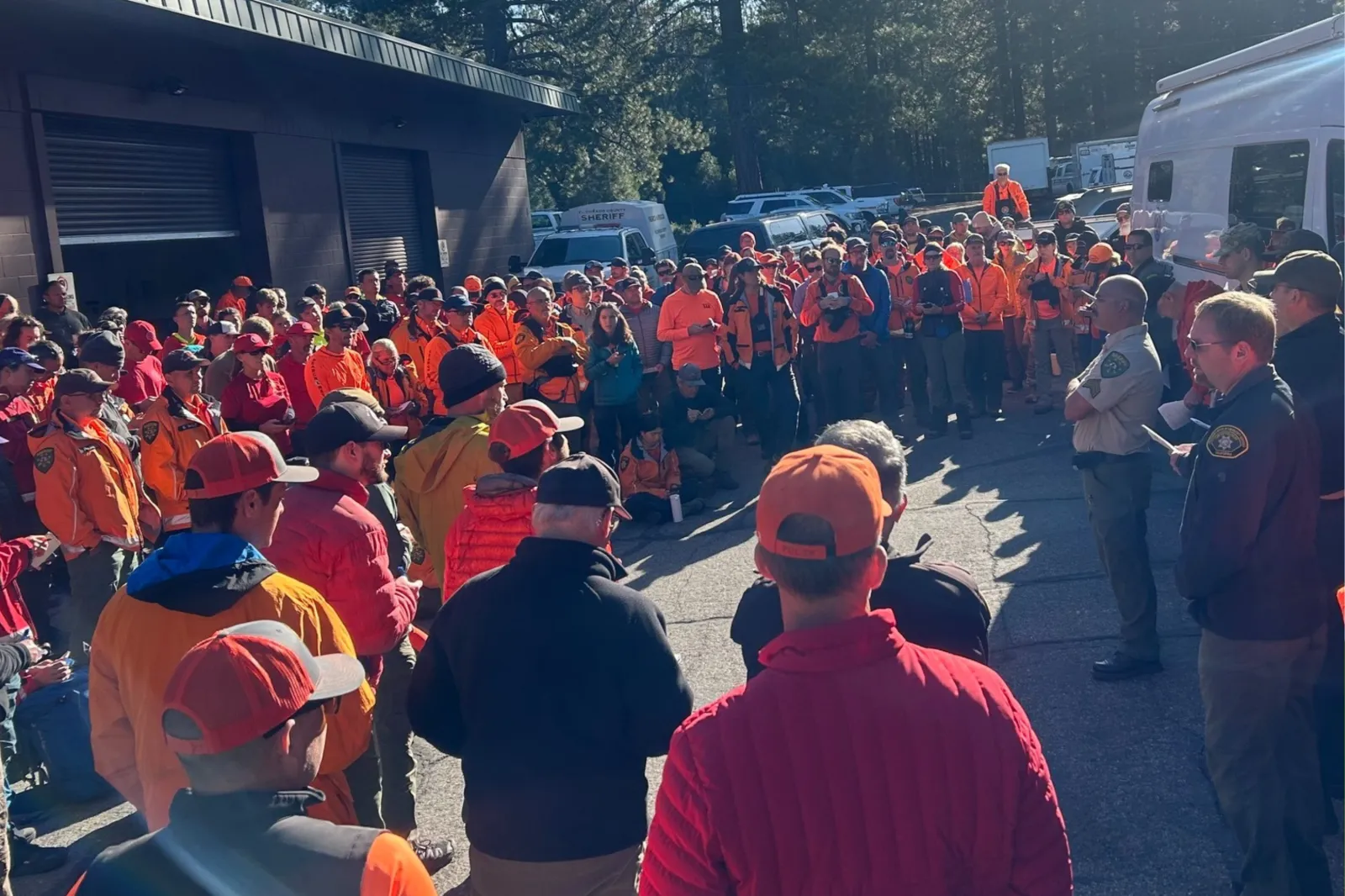
A total of 192 personnel from multiple agencies were assigned to the operation at its peak, the sheriff's office said.
On one major deployment, 80 search-and-rescue volunteers were airlifted into the wilderness by an Air National Guard CH‑47 Chinook helicopter, while another 60 entered the search area by vehicle. Dozens of crews remained overnight to continue searching remote terrain, Tahoe Daily reported.
 ...
...The effort includes ground teams, K9 units, helicopters and specialized high-altitude search crews, with assistance from more than two dozen agencies and community partners.
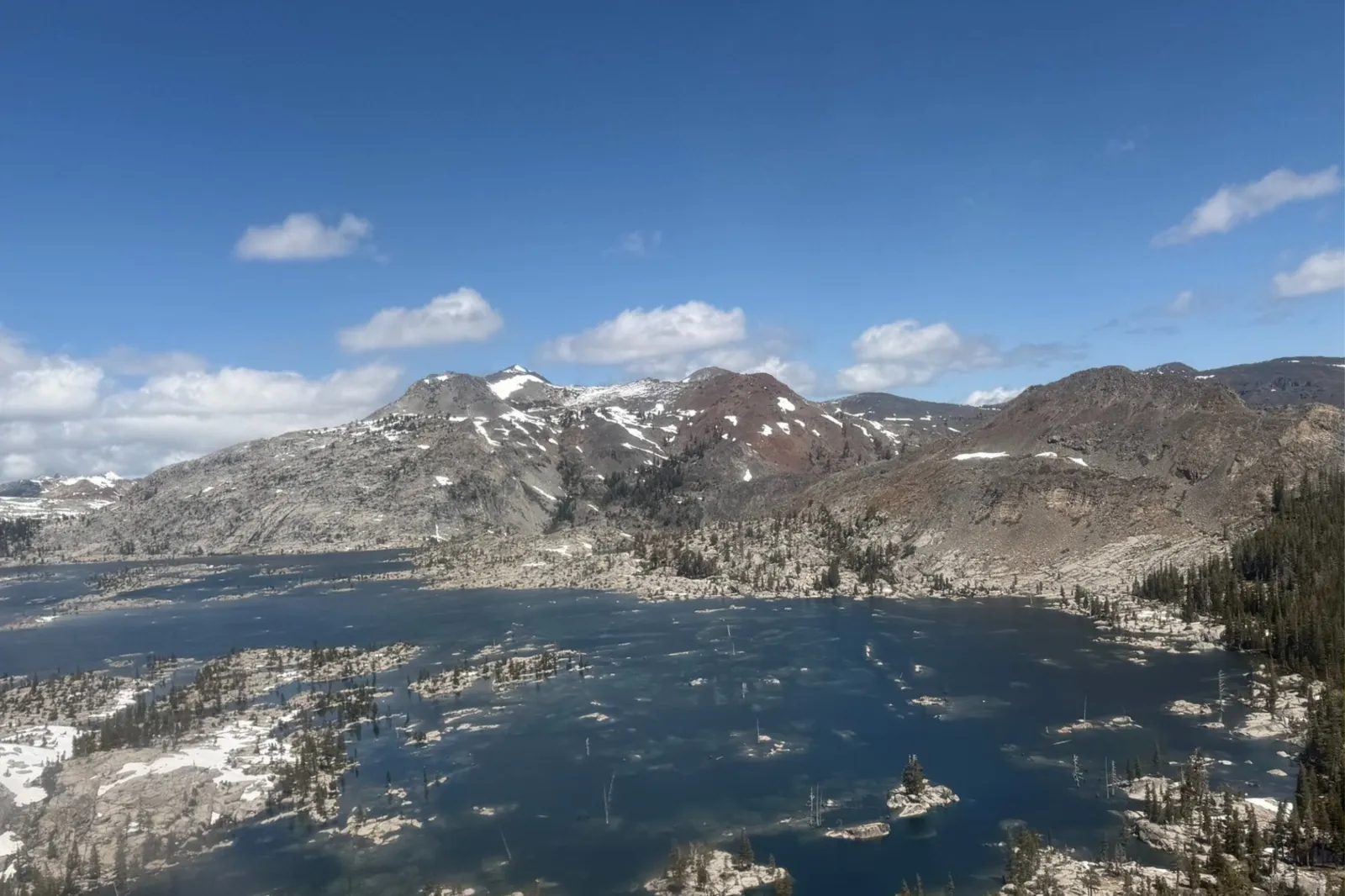
Searchers have focused on areas around Fallen Leaf Lake, Angora Peak and nearby alpine lakes, but progress has been slowed by harsh terrain and limited visibility. Officials say dense vegetation and steep, mountainous features make it difficult to locate someone, even during extensive sweeps.
Authorities say the search remains active, though in some phases it has shifted to more targeted operations focusing on specific areas where Coughran is believed to have traveled.
Officials continue to urge anyone who may have been in the Desolation Wilderness area or encountered Coughran to come forward, as even small pieces of information could help guide search teams.
As the effort continues, crews are expected to balance large-scale mobilizations with concentrated searches in high-probability zones, while adapting to weather conditions and terrain challenges that have defined the operation from the outset.
 ...
...Precautions Hikers Should Take
The Lake Tahoe area—including the Desolation Wilderness where Jason Coughran went missing—is not inherently dangerous for experienced hikers, but it can become very risky due to environmental conditions and terrain, especially for those unprepared.
Authorities involved in the Coughran search have pointed to several specific hazards:
- Rugged terrain: The wilderness includes steep canyons, high peaks and dense vegetation, which can make navigation difficult and increase the risk of falls or getting lost.
- Limited visibility: Thick brush can grow head-high, meaning a person on the ground can be hard to locate—even for search teams.
- Rapidly changing weather: Conditions can shift quickly at higher elevations, including storms, wind, fog or even snow, which can disorient hikers and complicate rescue efforts.
- Remote location: The Desolation Wilderness spans roughly 64,000 acres of alpine terrain, and some areas are difficult to access without helicopters or specialized teams.
Despite these risks, the Lake Tahoe region is a very popular hiking destination with well-known trails, scenic alpine lakes and established routes. Many visitors complete hikes safely every year.
The Lake Tahoe area isn’t dangerous by default, but it requires proper preparation. The biggest risks come from a combination of isolation, terrain and weather—factors that can quickly turn a routine hike into an emergency, as seen in the ongoing search for Coughran.
 ...View 0 Comments