- Pro
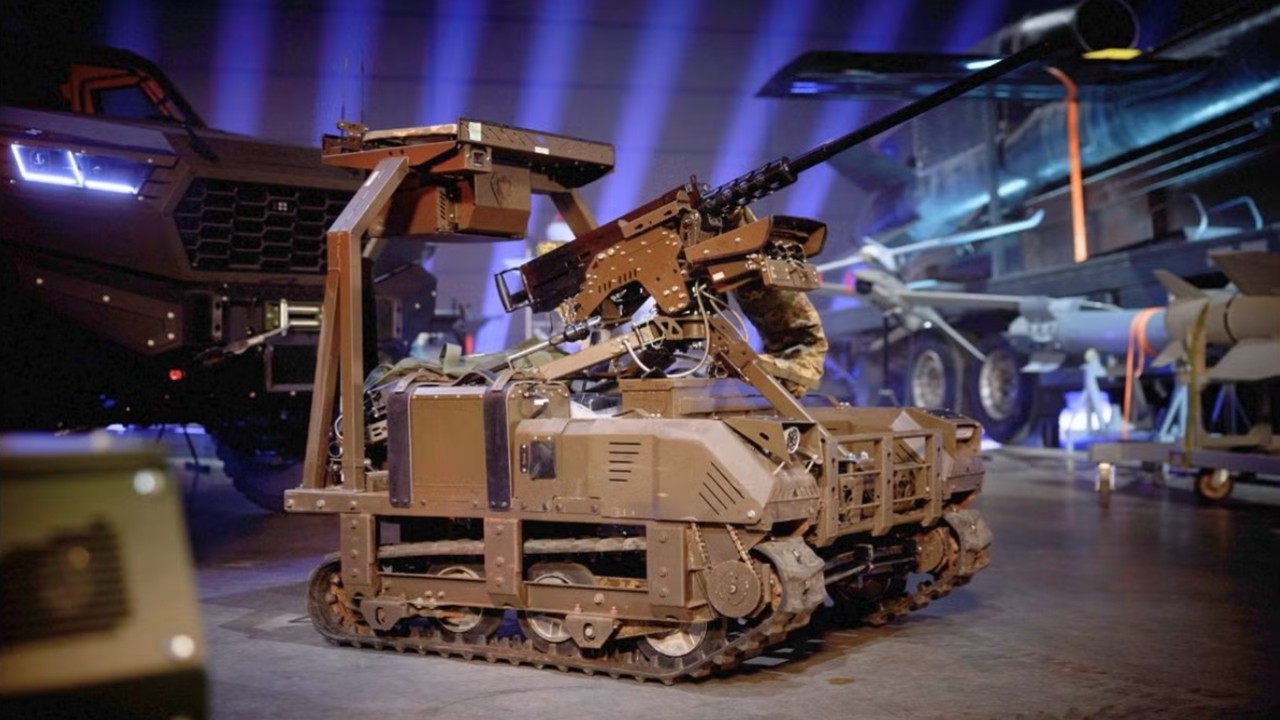
Ukraine may now fight a ground battle from 50km away
When you purchase through links on our site, we may earn an affiliate commission. Here’s how it works.
 (Image credit: Independent)
- Copy link
- X
- Threads
- Ukraine deploys robotic units to reduce frontline soldier exposure
- Ground robots now handle logistics and combat battlefield roles
- Commanders see machines replacing nearly a third of the infantry
More than four years into this grinding war, remote-controlled ground robots are fundamentally reshaping the battlefield.
Ukrainian commanders and engineers now assert that unmanned ground vehicles represent the next major phase of modern combat.
The future of warfare has already arrived, they argue, and it moves on tracks rather than legs.
Latest Videos FromWatch full video here: You may like
-
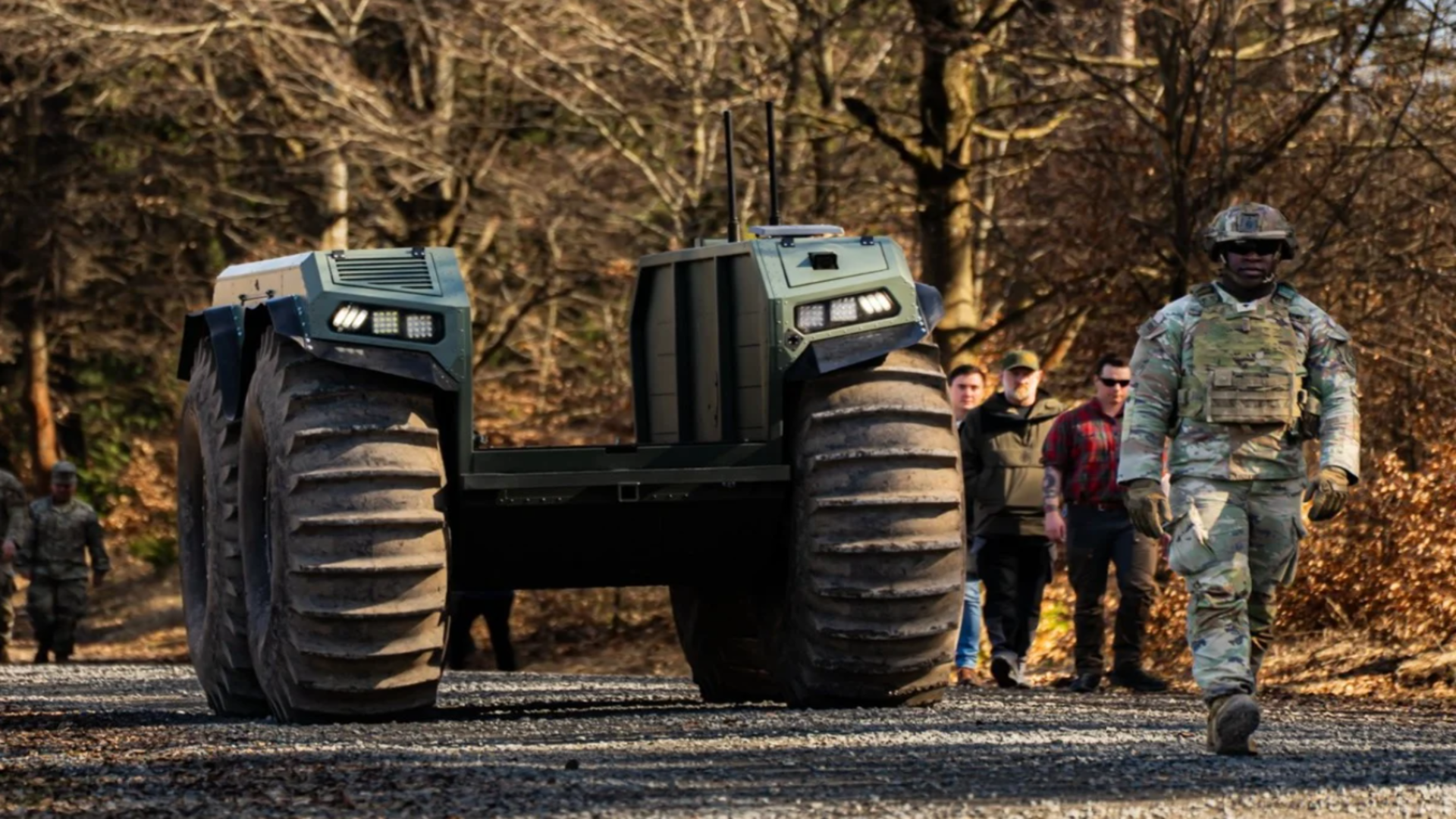 US Army robots (and AI) look to play a critical role in getting wounded soldiers off the battlefield
-
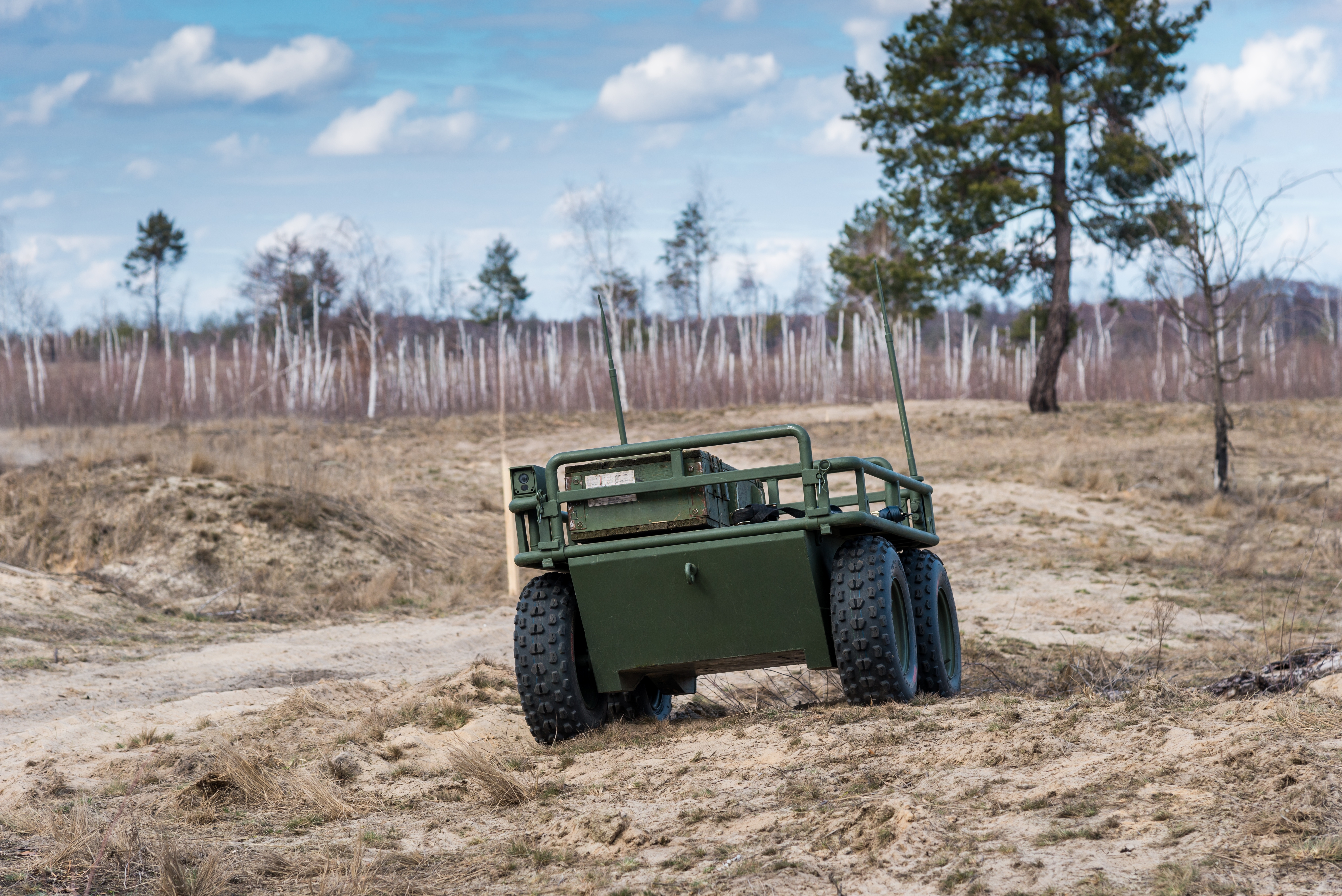 Robots are fighting wars and helping to quash riots — China is arming riot police with squads of AI controlled drones and Ukraine wants to man the frontlines with 25,000 robots
-
 Ukraine becomes the first country to scale long-distance remote-controlled interceptor drones
A unit built around machines rather than men
Ukraine’s 3rd Separate Assault Brigade intends to replace roughly 30% of its infantry with Unmanned Ground Vehicles (UGVs).
“The logic is simple: where the risk to a human is high, a robot should be used. Because the life of an infantryman is priceless, and robots don’t bleed,” Mykola Zinkevych, commander of the “NC13” Strike UGV Unit.
“We’re working toward a model where UGVs take on the most dangerous tasks, while infantry becomes a highly specialised force focused on what UGVs cannot perform.”
His unit now claims to be the world’s first strike UGV formation operating without any existing military doctrine.
Are you a pro? Subscribe to our newsletterContact me with news and offers from other Future brandsReceive email from us on behalf of our trusted partners or sponsorsBy submitting your information you agree to the Terms & Conditions and Privacy Policy and are aged 16 or over.Last year in the northeastern Kharkiv region, Ukrainian forces executed a mission using only drones and ground robots.
President Volodymyr Zelensky described how Russian occupiers surrendered during an operation that involved no infantry on the advance.
“The occupiers surrendered, and the operation was carried out without infantry and without losses on our side,” he claimed.
What to read next-
 Ukraine preps drone-killing laser which can destroy targets 3 miles away
-
 'The second life of drones': Why thousands of UAVs in Ukraine have stopped working, how a team of 'craftsmen' is fixing 24,000 obsolete drones every year, and what it means for the future of the drone industry
-
 Gartner: Robots to lead operations in half of new warehouses by 2030
Logistics and firepower transformed
A modern infantryman can carry roughly 20kg of gear over distance, but logistics UGVs transport 200 to 600kg to frontline positions.
These machines deliver critical supplies, evacuate wounded troops, hold territorial positions, and destroy enemy shelters.
According to Ukraine’s military chiefs, the growing use of UGVs has already eased the infantry’s burden significantly.
“It’s easier to control an area for 24 hours when you are sitting in a safe zone 50km from the UGV, and you can swap with your team and another guy does it,” says Oleg Fedoryshyn, head of research and design at DevDroid.
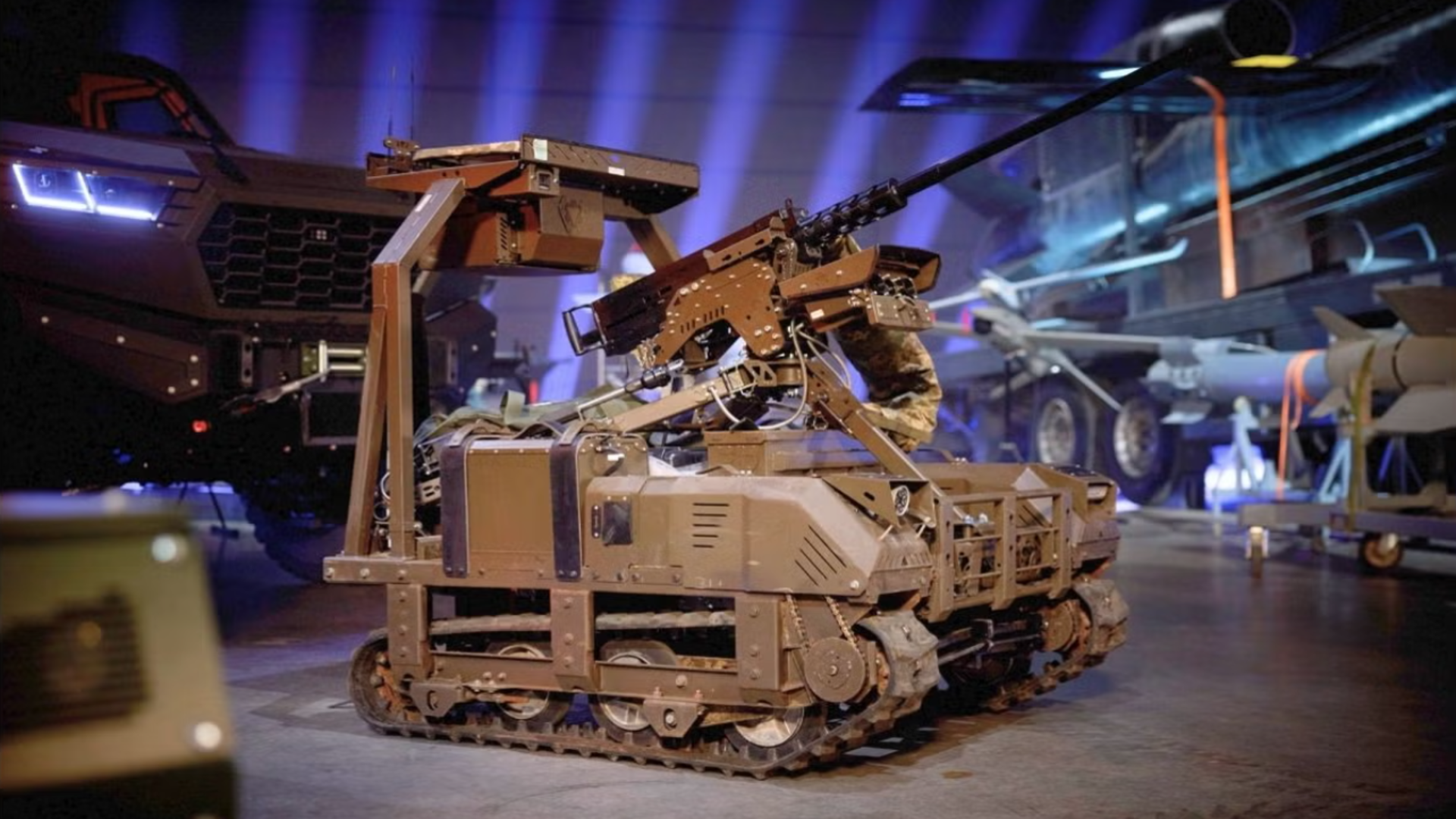
The average UGV costs the Ukrainian military about $30,000, rising to $50,000 with a Browning machine gun mounted on top.
Commander Zinkevych estimates that his unit has carried out more than 100 strike operations using UGVs in recent months
“During these missions, we’ve destroyed enemy troops, shelters, command posts, and other high-value targets,” he says
Yet he warns that slowing the pace of development is something Ukraine simply cannot allow.
Around 10 to 15% of deployed robots are lost in battle, though many are later repaired and returned to service.
Ukrainian forces celebrate these machines as life-saving innovations, but there are concerns that remote warfare may unnecessarily aggravate the extent of the war.
“Where we have an instrument that serves toward the application of force, operated from a distance, there is a risk that the threshold to use force becomes lowered,” explained Professor Elke Schwarz, expert in military technologies at Queen Mary University.
“... and civilian populations are potentially at risk of bearing the brunt of the use of force.”
However, she concludes that Kyiv develops these tactics out of sheer necessity against an existential threat.
Whether robots ultimately spare lives or simply make war more sustainable remains an open question.
Via Independent

Follow TechRadar on Google News and add us as a preferred source to get our expert news, reviews, and opinion in your feeds.
 Efosa UdinmwenFreelance Journalist
Efosa has been writing about technology for over 7 years, initially driven by curiosity but now fueled by a strong passion for the field. He holds both a Master's and a PhD in sciences, which provided him with a solid foundation in analytical thinking.
View MoreYou must confirm your public display name before commenting
Please logout and then login again, you will then be prompted to enter your display name.
Logout Read more
Pro
US Army robots (and AI) look to play a critical role in getting wounded soldiers off the battlefield
Security
Robots are fighting wars and helping to quash riots — China is arming riot police with squads of AI controlled drones and Ukraine wants to man the frontlines with 25,000 robots
Pro
Ukraine becomes the first country to scale long-distance remote-controlled interceptor drones
Pro
Ukraine preps drone-killing laser which can destroy targets 3 miles away
Pro
'The second life of drones': Why thousands of UAVs in Ukraine have stopped working, how a team of 'craftsmen' is fixing 24,000 obsolete drones every year, and what it means for the future of the drone industry
Pro
Gartner: Robots to lead operations in half of new warehouses by 2030
Latest in Pro
 Pro
Microsoft AI CEO outlines hopes to build “humanist superintelligence”
Pro
Microsoft AI CEO outlines hopes to build “humanist superintelligence”
 Pro
Microsoft’s Project Solara looks to break AI out of the PC and into the real world
Pro
Microsoft’s Project Solara looks to break AI out of the PC and into the real world
 Pro
Microsoft CEO Satya Nadella looks to allay fears over data center energy and water use
Pro
Microsoft CEO Satya Nadella looks to allay fears over data center energy and water use
 Pro
“AI is now useful”: Nvidia CEO Jensen Huang thinks a new era for AI is here
Pro
“AI is now useful”: Nvidia CEO Jensen Huang thinks a new era for AI is here
 Pro
How a former Facebook whistleblower is being silenced 'regardless of whether what she says is true'
Pro
How a former Facebook whistleblower is being silenced 'regardless of whether what she says is true'
 Pro
Exactly 17 years ago, the first Nvidia-powered Windows laptop made its debut at Computex
Latest in News
Pro
Microsoft AI CEO outlines hopes to build “humanist superintelligence”
Pro
Microsoft’s Project Solara looks to break AI out of the PC and into the real world
Pro
Microsoft CEO Satya Nadella looks to allay fears over data center energy and water use
Pro
“AI is now useful”: Nvidia CEO Jensen Huang thinks a new era for AI is here
Pro
How a former Facebook whistleblower is being silenced 'regardless of whether what she says is true'
Pro
Exactly 17 years ago, the first Nvidia-powered Windows laptop made its debut at Computex
Latest in News
Pro
Microsoft AI CEO outlines hopes to build “humanist superintelligence”
Pro
Microsoft’s Project Solara looks to break AI out of the PC and into the real world
Pro
Microsoft CEO Satya Nadella looks to allay fears over data center energy and water use
Pro
“AI is now useful”: Nvidia CEO Jensen Huang thinks a new era for AI is here
Pro
How a former Facebook whistleblower is being silenced 'regardless of whether what she says is true'
 Health & Fitness
Want a Runna membership for free? All you have to do to get 2 weeks free is log a 5k on Strava on June 3
LATEST ARTICLES
Health & Fitness
Want a Runna membership for free? All you have to do to get 2 weeks free is log a 5k on Strava on June 3
LATEST ARTICLES- 1‘We need an AI that places humanity first’: Microsoft AI CEO outlines hopes to build “humanist superintelligence” - and has seven new models to help him do it
- 2Rivian boss says Level 4 autonomous driving is "much closer than people think", but Tesla is struggling to convince its own employees that the technology is reliable
- 3'Stop duct-taping human email into machine workflows' — Hostinger unleashes Agentic Mail to fix the biggest bottleneck in AI automation
- 4'A new approach': Microsoft CEO claims its "AI Superfactory" will use the same amount of water each year as a neighborhood restaurant
- 5Quordle hints and answers for Wednesday, June 3 (game #1591)