- News
The United Nations chief has proposed three options to help end the decades-old conflict between Lebanon’s Iran-backed Hezbollah militants and Israel when the 8,100-member U.N. peacekeeping mission in southern Lebanon ends on Dec. 31
Edith M. Lederer Tuesday 02 June 2026 23:25 BST- Bookmark
Bookmark popover
Removed from bookmarks
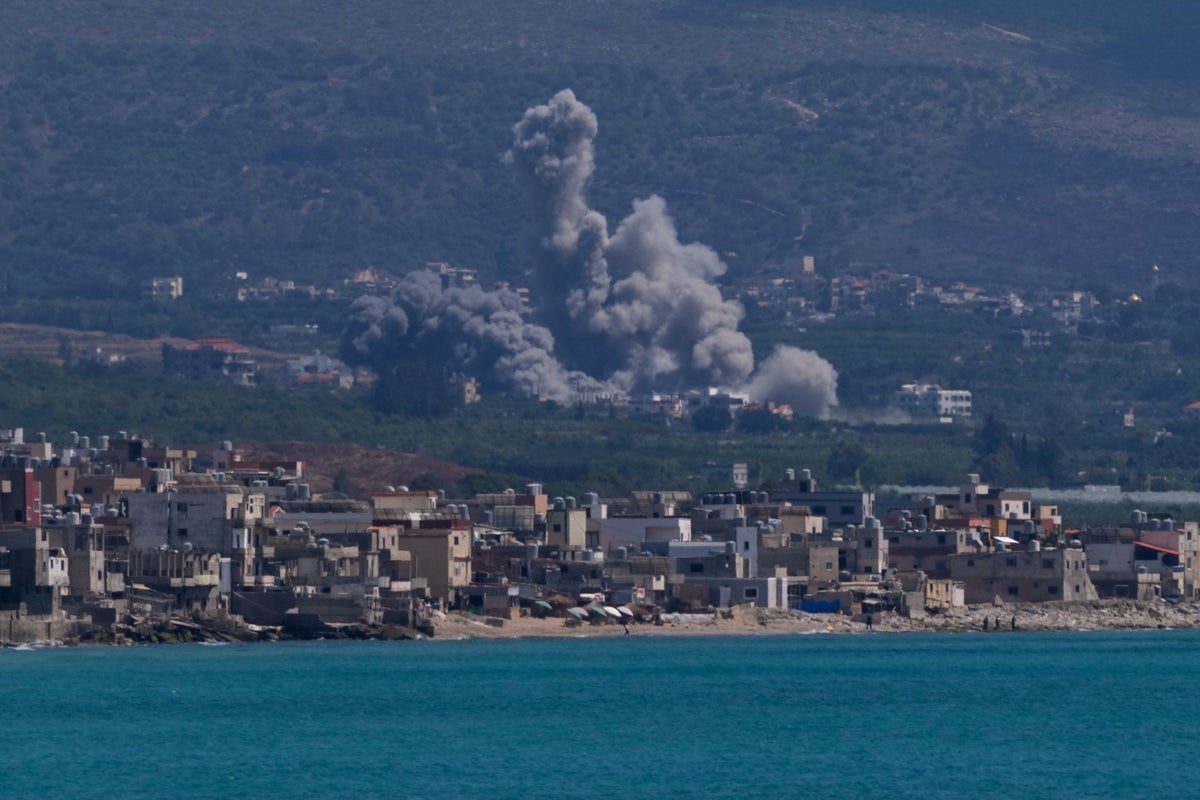
Close popover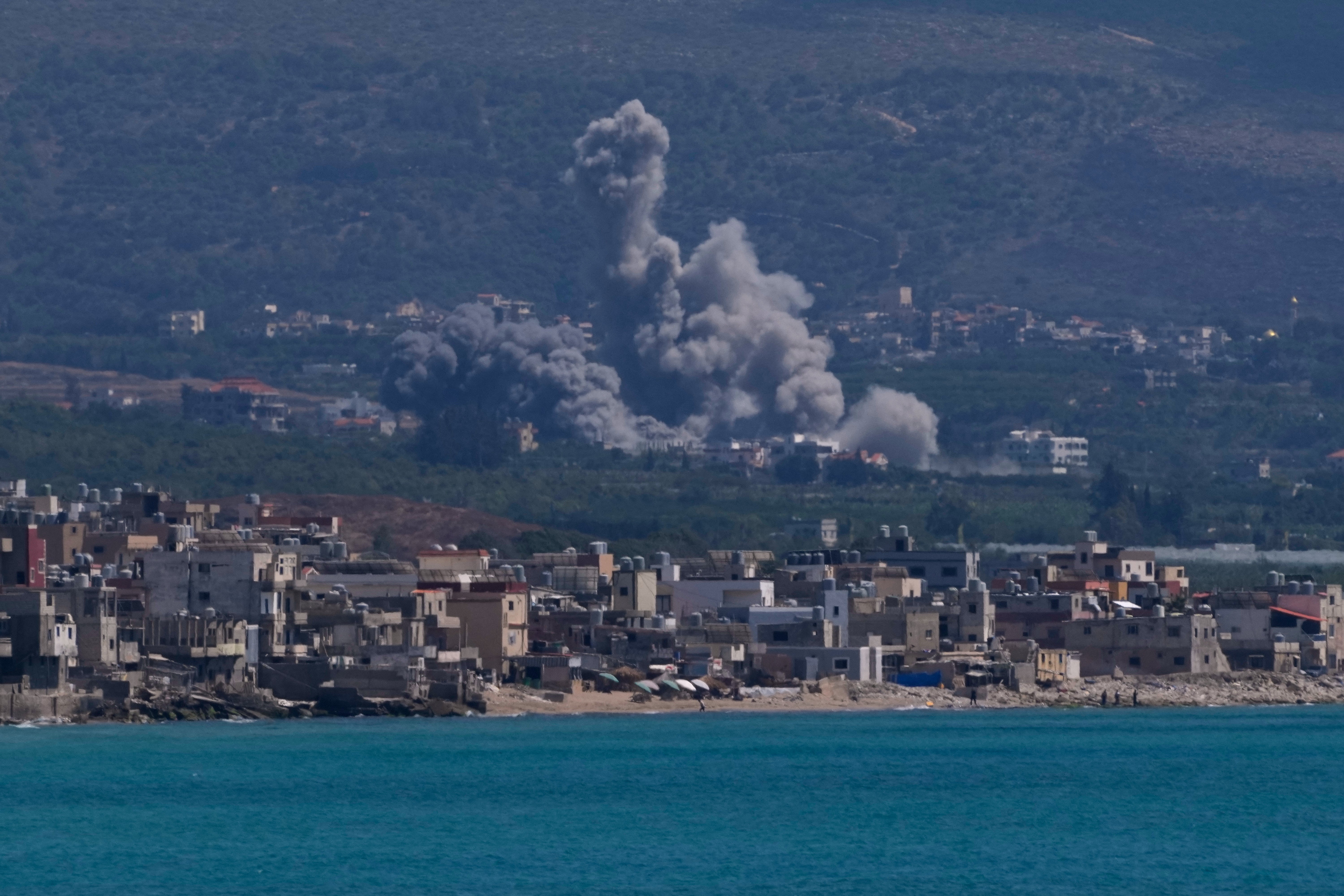 Lebanon Israel Iran War (Copyright 2026 The Associated Press. All rights reserved.)
For free real time breaking news alerts sent straight to your inbox sign up to our breaking news emails
Sign up to our free breaking news emails
Sign up to our free breaking news emails
Email*SIGN UPI would like to be emailed about offers, events and updates from The Independent. Read our Privacy notice
The United Nations chief has proposed three options to help end the decades-old conflict between Lebanon’s Iran-backed Hezbollah militants and Israel when the 8,100-member U.N. peacekeeping mission in southern Lebanon ends on Dec. 31.
All of the options presented to the U.N. Security Council by Secretary-General Antonio Guterres would continue U.N. military monitoring of the boundary between Israel and Lebanon, support Lebanese forces in deploying throughout the country and strengthen political efforts to end the fighting, which has persisted despite a nominal ceasefire.
U.N. peacekeepers have played a significant role in monitoring the security situation in southern Lebanon, a Hezbollah stronghold, for decades. Six of the peacekeepers have been killed in recent months.
Bowing to demands from the United States and its close ally Israel, the Security Council voted unanimously in August 2025 to terminate the peacekeeping mission known as UNFIL and asked Guterres to present options for implementing a 2006 resolution that ended a monthlong war between Israel and Hezbollah.
The resolution demands that Hezbollah disarm, Israeli forces withdraw and the Lebanese army deploy throughout the country as the sole military force. None of this has happened.
In his letter to the Security Council on Monday, Guterres said the recurring hostilities between Israel and Hezbollah show the imperative of implementing the 2006 resolution, which is the framework toward peace.
The secretary-general said U.N. military monitoring of the U.N.-drawn boundary between Israel and Lebanon, known as the Blue Line, was "paramount.”
Under all options, he said, “a uniformed United Nations presence working to facilitate de-escalation, dialogue, liaison and coordination, and support for the Lebanese Armed Forces would be necessary.” The U.N. military would complement the strengthened U.N. special coordinator for Lebanon, who would continue to lead efforts to implement the 2006 resolution.
Guterres proposed three options for the U.N. military force, ranging from 5,525 to 1,980 personnel, including some unarmed military observers. He said the largest force would be able "to most credibly observe developments along the length of the Blue Line.”
U.N. spokesman Stephane Dujarric told reporters Tuesday that the secretary-general hopes the Security Council will make a decision soon.