- News
- Health
But it doesn’t have to be permanent
Julia Musto in New York Tuesday 02 June 2026 22:14 BST- Bookmark
- CommentsGo to comments
Bookmark popover
Removed from bookmarks
Close popoverSleep: Too much or too little may age you faster
Sign up for our free Health Check email to receive exclusive analysis on the week in health
Get our free Health Check email
Get our free Health Check email
Email*SIGN UPI would like to be emailed about offers, events and updates from The Independent. Read our Privacy notice
Feeling older than you actually are might be more harmful than you think. It’s linked to poor quality sleep, symptoms of insomnia and poorer bodily function throughout the day, a new study released Tuesday shows.
Adults who said they felt older than their age reported more sleep-related impairments, decreased overall sleep health and lower sleep regularity, an American Academy of Sleep Medicine study of nearly 3,200 adults showed.
“These associations remained significant even after accounting for chronological age, depression and anxiety,” Joseph Dzierzewski, senior vice president of research and scientific affairs at the National Sleep Foundation, explained in a statement.
The researchers don’t suggest why this is the case, but past research has tied feeling older than your age to premature death and feeling younger to slower brain aging. Your mindset has been proven to control your health, like with stress and blood pressure.
And, the findings add to the many reasons Americans aren’t getting enough sleep. Between 7-9 hours of shut-eye a night are recommended by federal health officials to ensure the heart, immune system, muscles and brain are firing at full cylinders.
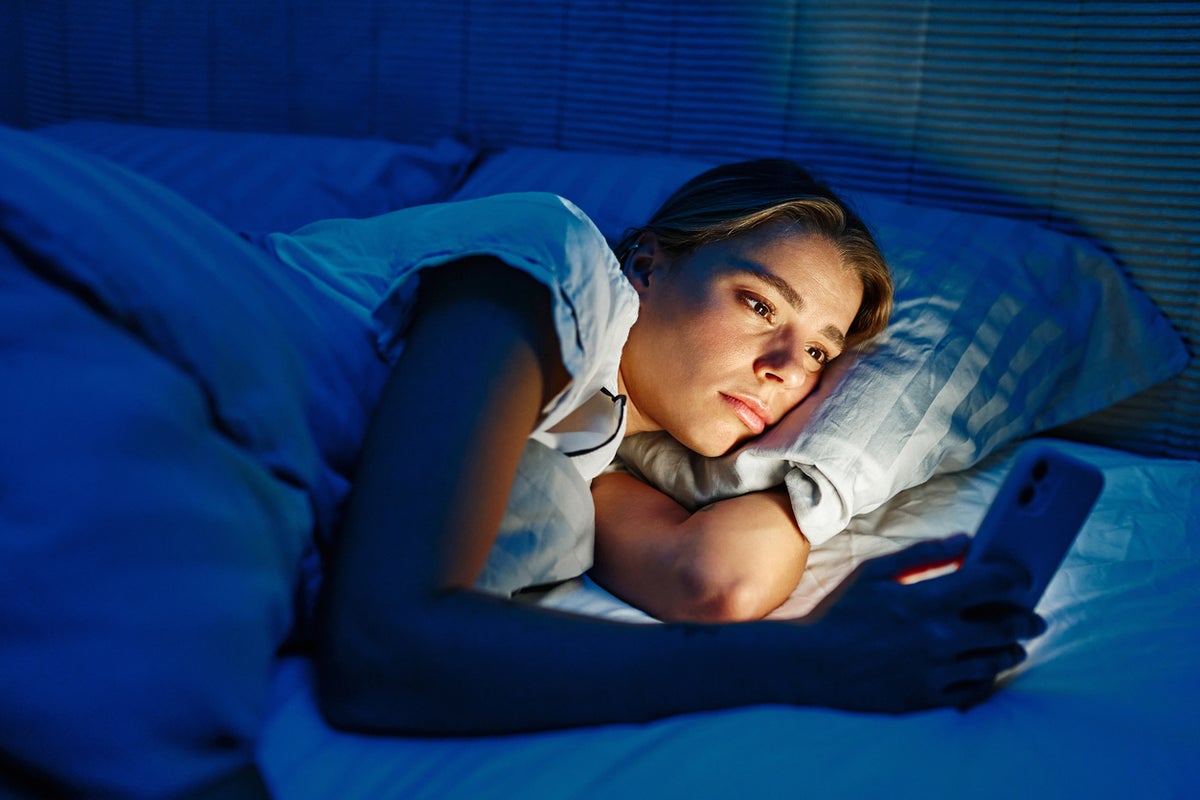
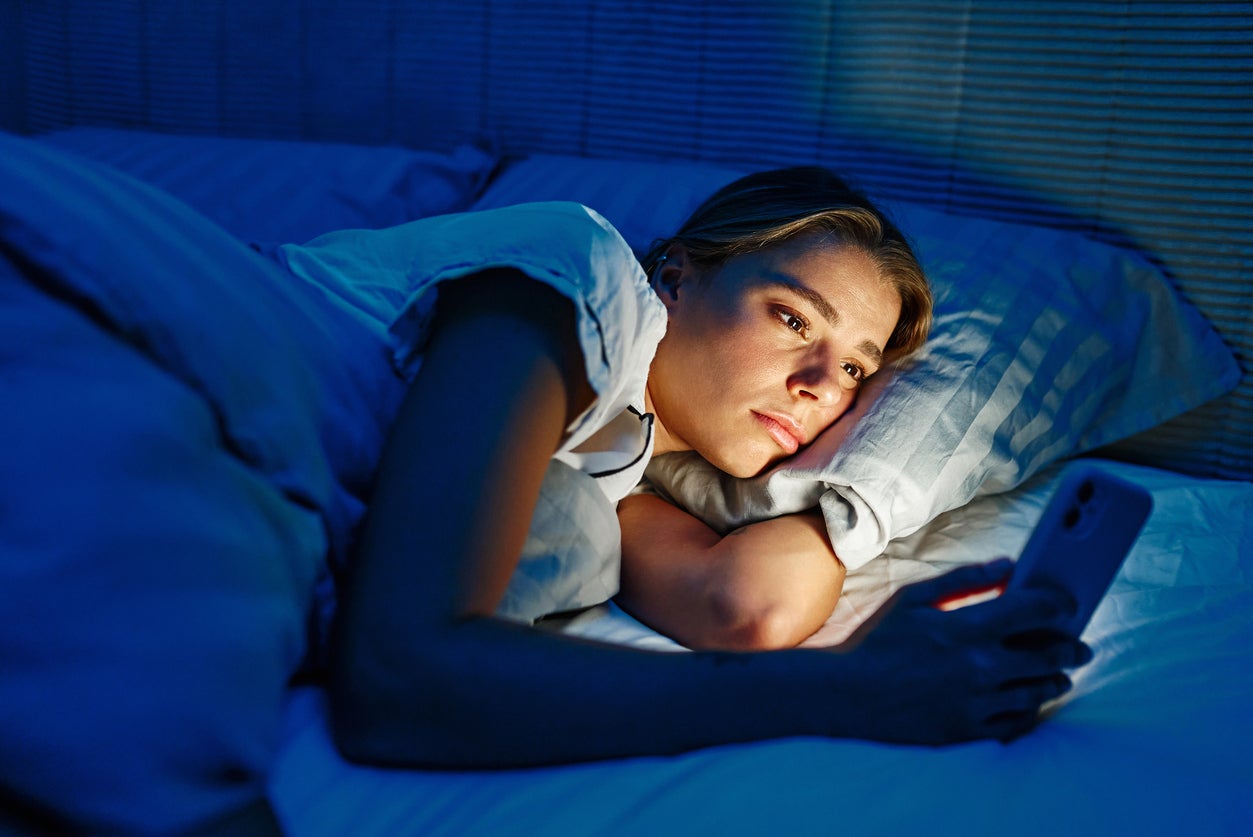 open image in galleryFeeling older than you are? It may contribute to your insomnia, a new survey of nearly 3,200 adults shows (Getty Images/iStock)
Still, some 12 percent of American adults are living with insomnia, a chronic sleep disorder referring to difficulty falling or staying asleep, according to the American Academy of Sleep Medicine.
Feeling older has been associated with poor mental health, leading to early frailty as young as age 40.
Insomnia is often a symptom of negatively affected mental health, or vice versa. They feed into each other, creating a vicious cycle.
People with insomnia are 10 times as likely to have depression and 17 times more likely to have anxiety than others, previous research shows.
“It’s becoming increasingly clear that sleep and mood have a bidirectional relationship,” Andrea Goldstein-Piekarski, an assistant professor of psychiatry and behavioral sciences at Stanford Medicine, said in a statement last August.
More than 20 percent of Americans are living with a mental illness, the National Institutes of Mental Health says. Women are disproportionately impacted.
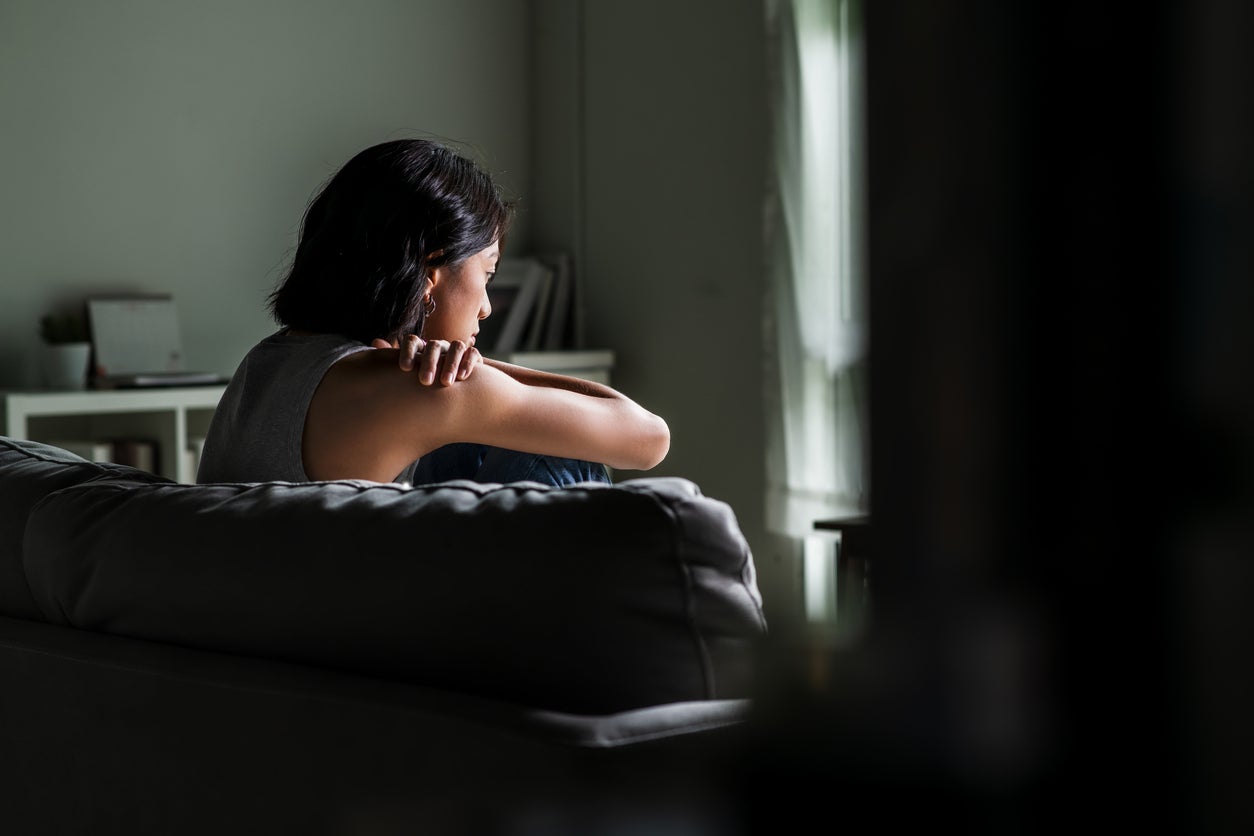 open image in galleryWomen are disproportionately impacted by mental illness, although a fifth of Americans live with one (Getty Images/iStock)
The study asked respondents about their age, insomnia, sleep health, mental health and how old they felt in an online survey. The researchers also took their reported sex, race and history of depression and anxiety into account.
The older they felt, the worse the self-reported physical health associated with bad sleep was.
The results challenge how clinicians should talk about aging, the researchers say.
“These findings suggest how people perceive their own aging may have important implications for sleep and overall well-being,” Dzierzewski said. “Understanding subjective age could help inform future approaches to support healthier sleep and quality of life across the lifespan.”
Feeling older doesn’t have to be permanent, the Society for Biopsychosocial Science and Medicine says.
“Find something that makes you feel young again. Exercise more, take a class, do something artistic,” Angelina Sutin, an associate professor at the Florida State University College of Medicine, told the society. “We have this entrenched idea that feeling old is inevitable. But when you find the thing that makes you feel young again, you discover it’s not so.”
The research is being presented later this month at the annual meeting of the Associated Professional Sleep Societies in Baltimore, Maryland.
More about
Sleepagingagesleep healthinsomniaJoin our commenting forum
Join thought-provoking conversations, follow other Independent readers and see their replies
Comments