
- Pro
US Army explores quantum switches inspired by nature's most efficient energy systems
When you purchase through links on our site, we may earn an affiliate commission. Here’s how it works.
 (Image credit: Getty Images)
- Copy link
- X
- Threads
- Army-funded researchers explore quantum vibrations as future control mechanisms.
- Vibronic effects may influence future quantum communication technologies.
- Energy losses in materials drive interest in quantum control.
The US Army has invested in quantum research exploring how vibrations influence electronic behavior in ultrathin materials.
Scientists at the University of California, Riverside, are examining whether these vibronic effects could eventually transform both energy harvesting and computational systems.
The Center for Quantum Vibronics in Energy and Time (QuVET) brings together physicists, chemists, engineers, and biochemists to study these fundamental interactions across biological and synthetic systems.
Latest Videos FromWatch full video here:
Vibrations become a control mechanism for quantum behaviour
Unlike conventional computing that relies on binary states, quantum approaches exploit phenomena such as superposition, where a wave function exists in multiple places simultaneously.
QuVET researchers want to determine whether a quantum wave function jumps across an interface or stays where it originally resides.
You may like-
 Silicon-based qubits have a clear advantage in race to million-qubit quantum computer
-
 Quantum battery prototype charges faster as its size increases
-
 A new approach to navigation could reduce reliance on GPS
"The idea is that vibrations may become the control knob, enabling future 'quantum vibronic switches' that use crystal vibrations to turn quantum transitions on and off," said Nathaniel Gabor, a professor of physics and astronomy.
Understanding this switching process is essential for improving technologies like solar power generation, where light creates neutral excitations that must separate into free charges.
Are you a pro? Subscribe to our newsletterContact me with news and offers from other Future brandsReceive email from us on behalf of our trusted partners or sponsorsBy submitting your information you agree to the Terms & Conditions and Privacy Policy and are aged 16 or over.If that energy does not get extracted fast enough, it dissipates as heat or gets re-emitted as light instead of becoming usable electricity.
Gabor noted that biological systems have evolved methods to pull energy out extremely quickly, and his team aims to replicate that efficiency in artificial materials.
In photosynthesis, a charge-neutral quantum excitation moves from molecule to molecule until reaching a reaction center, where separation occurs.
What to read next-
Quantum’s “ChatGPT moment” is coming - and it won’t be driven by hardware
-
 Researchers build foundation for quantum internet using current fiber infrastructure
-
 Scientists build a silicon photonic chip that embraces the chaos
The same physics that enables plants to harvest sunlight could eventually enable new forms of quantum control and computation in synthetic layered devices.
Army sees strategic value in quantum control research
The US Army has funded this quantum research through a Multidisciplinary University Research Initiative grant administered by its Combat Capabilities Development Command Army Research Office.
Tania Paskova, a program manager at that office, stated that understanding vibronic effects could prove instrumental for future artificial biological systems designed by military scientists.
“This research is answering critical scientific questions that could become instrumental in understanding and controlling vibronic effects in artificial biological systems,” she said.
“By establishing roadmaps for using vibronic effects for novel quantum photonic and optoelectronic devices, this research has the potential to significantly advance future Army capabilities in quantum computing, secure communications, and sensing technologies.”
The Army acknowledges, however, that substantial hurdles remain before any practical military application emerges from these laboratory findings.
Most quantum experiments demand cryogenic temperatures and highly controlled conditions that do not translate easily to battlefield environments.
By funding basic research rather than demanding immediate prototypes, the Army is making a long-term strategic bet on physics that could take decades to mature.
Whether this investment yields genuine quantum computing advances or merely interesting scientific footnotes depends entirely on experimental results that do not yet exist.

Follow TechRadar on Google News and add us as a preferred source to get our expert news, reviews, and opinion in your feeds.
 Efosa UdinmwenFreelance Journalist
Efosa has been writing about technology for over 7 years, initially driven by curiosity but now fueled by a strong passion for the field. He holds both a Master's and a PhD in sciences, which provided him with a solid foundation in analytical thinking.
View MoreYou must confirm your public display name before commenting
Please logout and then login again, you will then be prompted to enter your display name.
Logout Read more
Pro
Silicon-based qubits have a clear advantage in race to million-qubit quantum computer
Pro
Quantum battery prototype charges faster as its size increases
Pro
A new approach to navigation could reduce reliance on GPS
Pro
Quantum’s “ChatGPT moment” is coming - and it won’t be driven by hardware
Pro
Researchers build foundation for quantum internet using current fiber infrastructure
Pro
Scientists build a silicon photonic chip that embraces the chaos
Latest in Pro
 Pro
Microsoft reveals Scout, its first "Autopilot"
Pro
Microsoft reveals Scout, its first "Autopilot"
 Pro
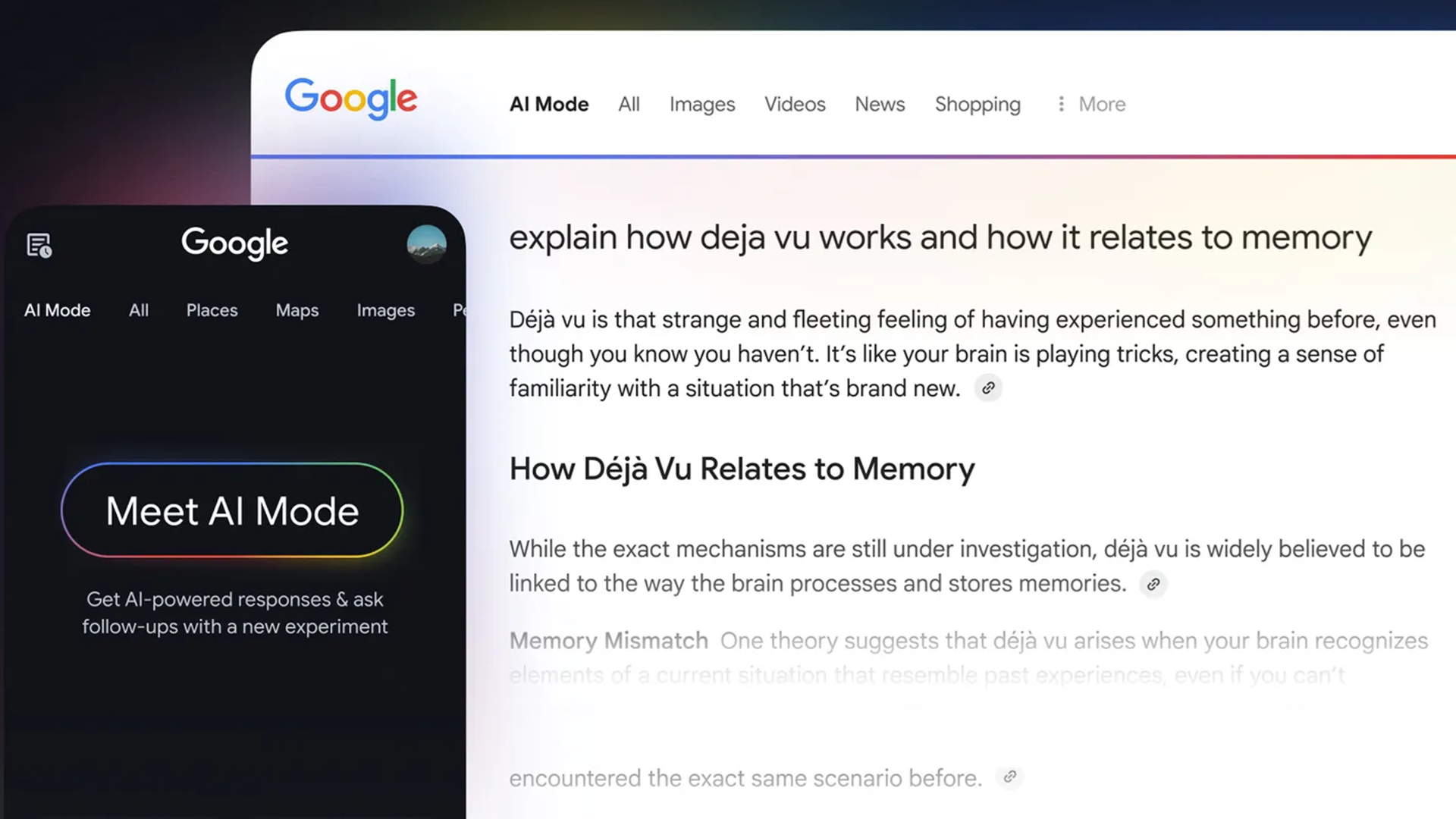
UK regulator mandates that Google should let publishers opt out of AI search
Pro
UK regulator mandates that Google should let publishers opt out of AI search
 Pro
OpenAI and Anthropic are battling to conquer the AI market in Finance and Legal
Pro
OpenAI and Anthropic are battling to conquer the AI market in Finance and Legal
 Pro
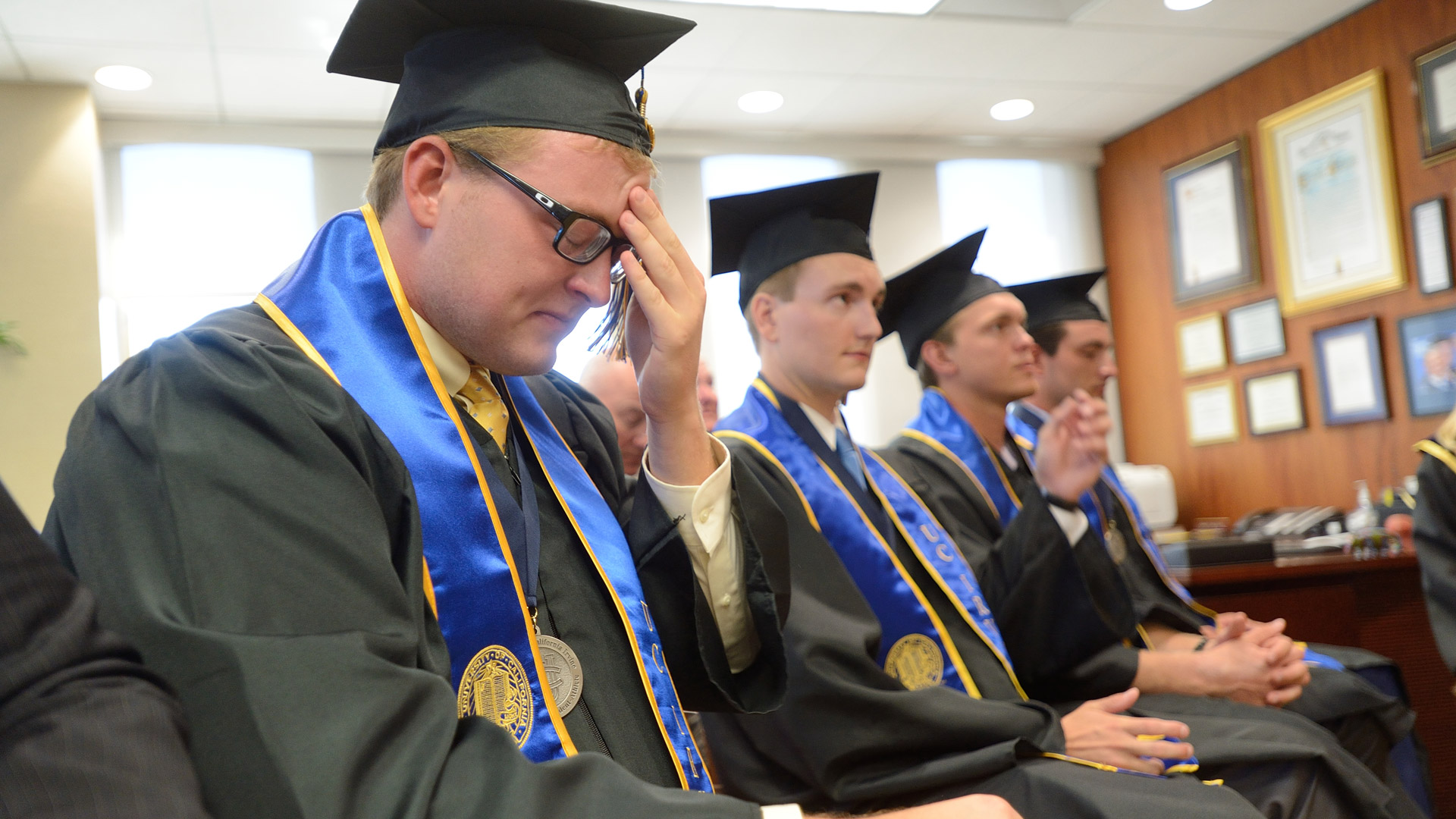
AI is getting too much of the blame for graduate hiring prospects, and there could be a job perk that is actually behind it all
Pro
AI is getting too much of the blame for graduate hiring prospects, and there could be a job perk that is actually behind it all
 Pro
AI is the top investment area for 3 out of 4 insurance CEOs
Pro
AI is the top investment area for 3 out of 4 insurance CEOs
 Security
Microsoft is ditching password-based authentication tomorrow – Edge browser will switch to Windows Hello access
Latest in News
Pro
Microsoft reveals Scout, its first "Autopilot"
Security
Microsoft is ditching password-based authentication tomorrow – Edge browser will switch to Windows Hello access
Latest in News
Pro
Microsoft reveals Scout, its first "Autopilot"
 Entertainment
Final trailer for Supergirl shows why it's no longer called Supergirl: Woman of Tomorrow
Entertainment
Final trailer for Supergirl shows why it's no longer called Supergirl: Woman of Tomorrow
 Smartwatches
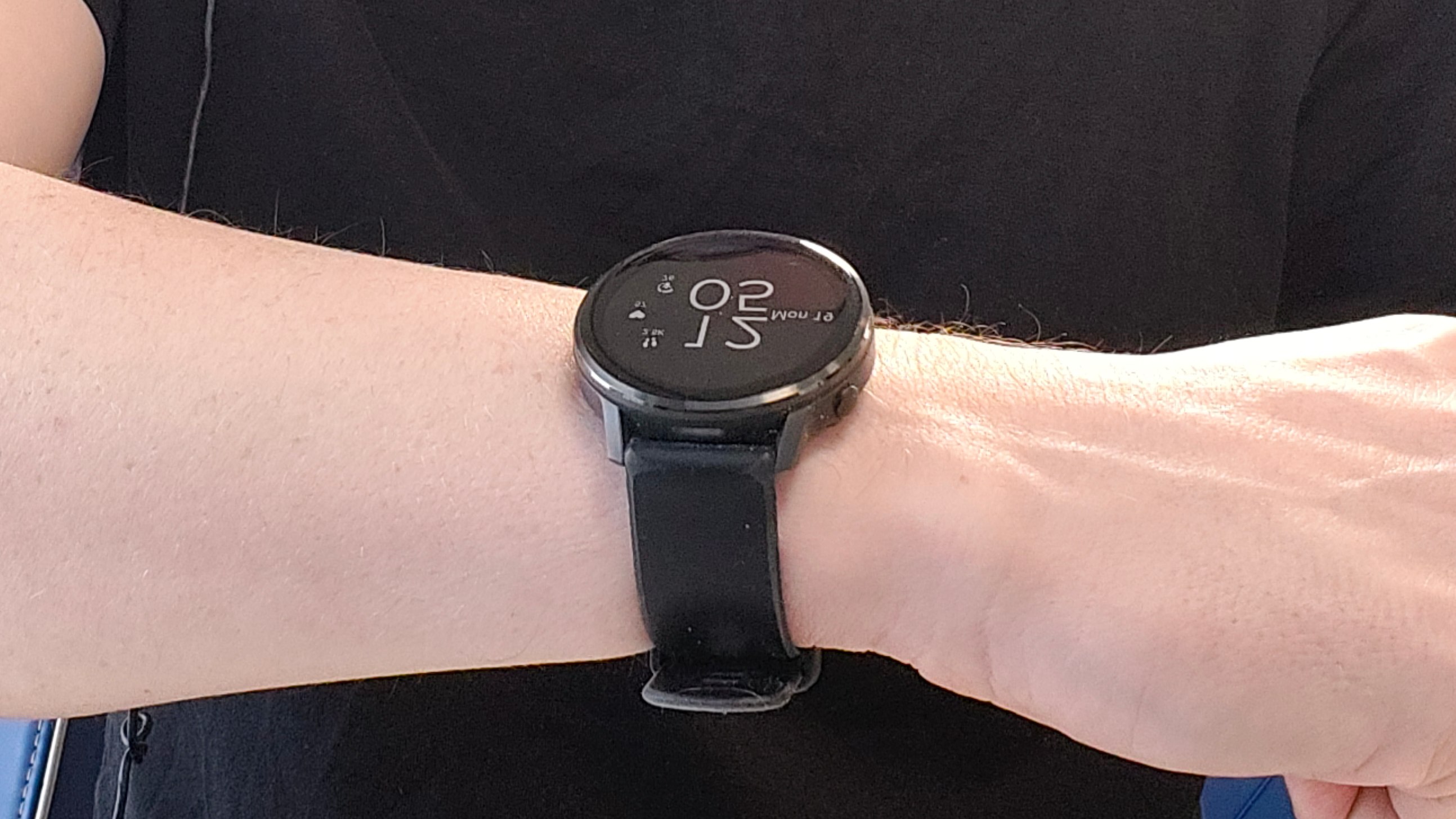
Garmin's big software update is now inbound, but some watches will miss out
Smartwatches
Garmin's big software update is now inbound, but some watches will miss out
 Gaming Industry
Is gaming better value than movies? New study shows US gamers think it's a better use of their cash
Gaming Industry
Is gaming better value than movies? New study shows US gamers think it's a better use of their cash
 VPN Privacy & Security
Japan is considering stronger age restrictions for social media use — but public response to the move hasn't been as positive as hoped
VPN Privacy & Security
Japan is considering stronger age restrictions for social media use — but public response to the move hasn't been as positive as hoped
 VPN Services
Microsoft Edge and Aloha caught sharing precise user location data with third parties
LATEST ARTICLES
VPN Services
Microsoft Edge and Aloha caught sharing precise user location data with third parties
LATEST ARTICLES- 1Alice and Steve review: Nicola Walker is the best thing about this complicated, feud-filled Hulu comedy series
- 2AI is getting too much of the blame for graduate hiring prospects, and there could be a job perk that is actually behind it all
- 3Garmin's big software update is now inbound, but some watches will miss out
- 4A PhD student has discovered new plant-inspired window glass that could 'simultaneously store solar energy and darken' a room when sunny to cool it down
- 5Microsoft is ditching password-based authentication tomorrow – Edge browser will switch to Windows Hello access