- Pro
Ukraine’s $5000 Hornet drone carries 5kg bombs over 200km
When you purchase through links on our site, we may earn an affiliate commission. Here’s how it works.
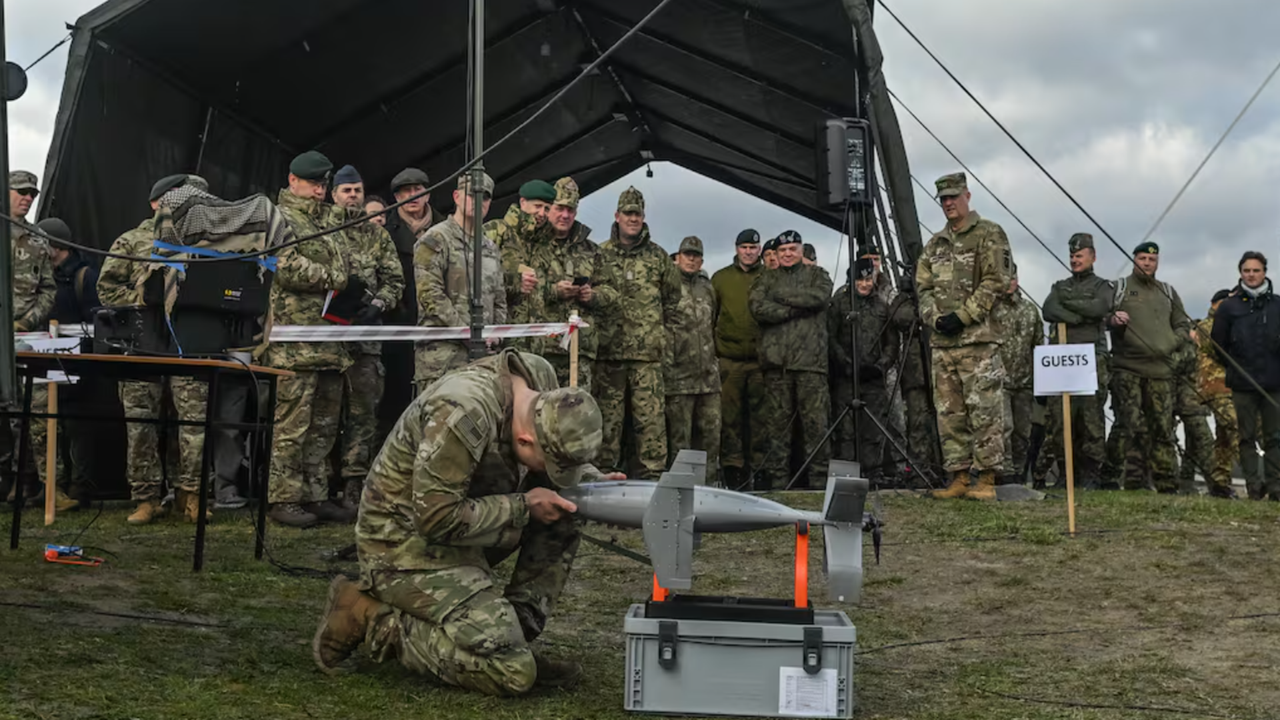
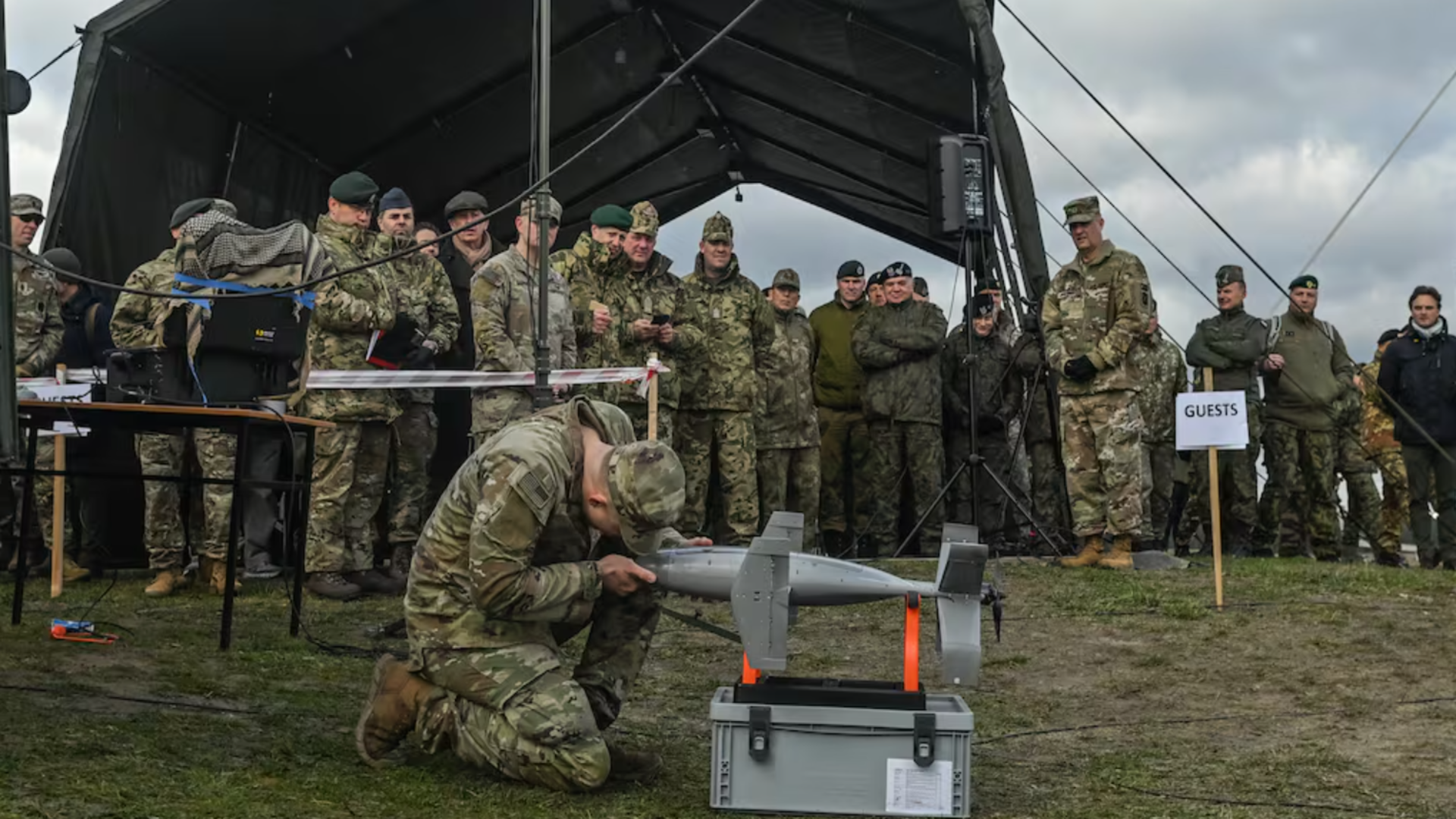 (Image credit: Artur Widak/NurPhoto via Getty Images)
- Copy link
- X
- Threads
- A $5,000 Hornet gives Ukraine long-range strike power for minimal cost.
- Swarms of cheap drones shift defense economics and overwhelm expensive interceptors.
- Schmidt applied software-era scaling to hardware, enabling rapid, disposable drone production.
A former Google chief executive, Eric Schmidt, has quietly become the essential link between Silicon Valley thinking and Ukraine’s most lethal unmanned strike asset.
He launched Project Eagle, which later became Perennial, with the explicit goal of building a drone that costs less than a used car yet travels farther than most missiles.
The result is the Hornet, a $5000 unmanned aircraft that carries 5kg of explosives across 200 km in a one-way configuration designed for maximum range rather than recovery.
Latest Videos FromWatch full video here:
Low-cost swarm strikes extending operational depth
Ukrainian forces now possess a weapon that makes deep strikes affordable enough to deploy in large swarms rather than as precious singular assets.
The Hornet’s economics fundamentally change what a “formidable” drone means on a modern battlefield.
You may like-
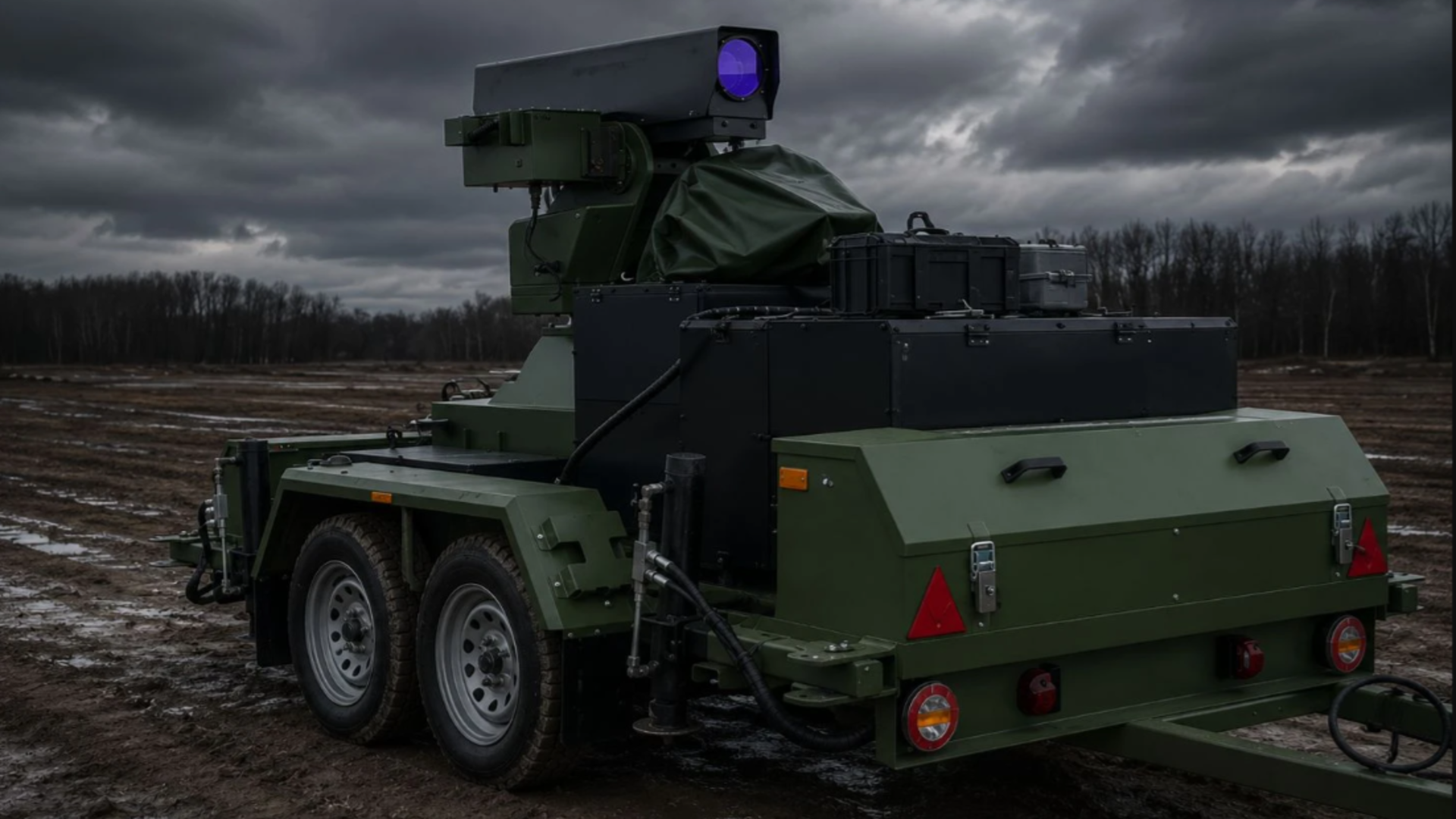 Ukraine preps drone-killing laser which can destroy targets 3 miles away
-
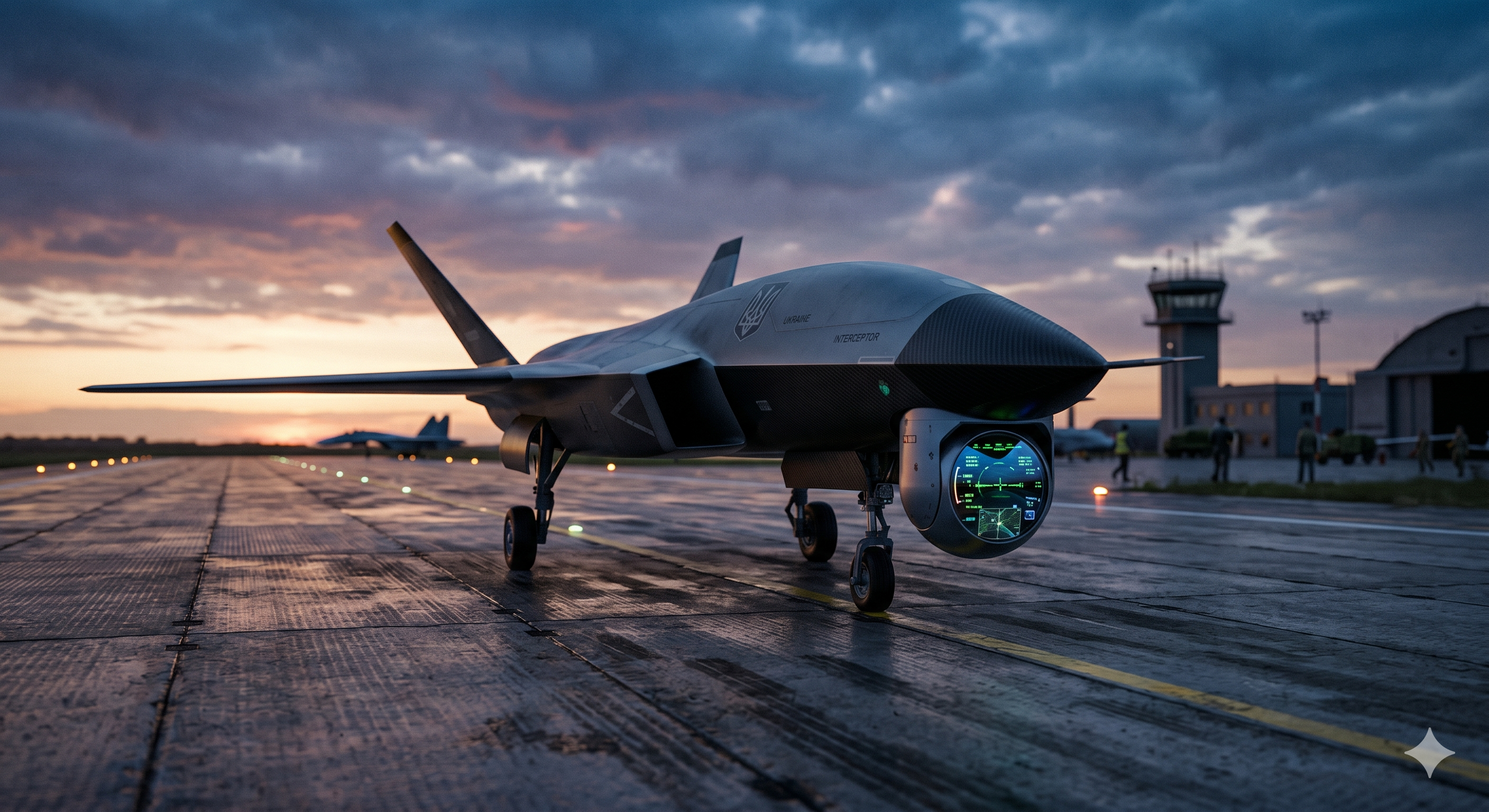 Ukraine becomes the first country to scale long-distance remote-controlled interceptor drones
-
 Ukraine turns a 55-year-old Antonov An-28 into a drone killing machine
For the price of a single conventional missile, Ukraine can launch ten Hornets simultaneously toward ten different targets.
Each Hornet delivers the same explosive punch as a heavy artillery shell, yet it does so without risking a pilot or an expensive airframe.
Are you a pro? Subscribe to our newsletterContact me with news and offers from other Future brandsReceive email from us on behalf of our trusted partners or sponsorsBy submitting your information you agree to the Terms & Conditions and Privacy Policy and are aged 16 or over.This is not an incremental improvement but rather a complete departure from previous assumptions about aerial warfare.
Eric Schmidt, who ran Google for nearly a decade, did not merely fund this project from a distant office.
He actively shaped Perennial as Project Eagle before it evolved into a manufacturing operation capable of producing Hornets at scale.
What to read next-
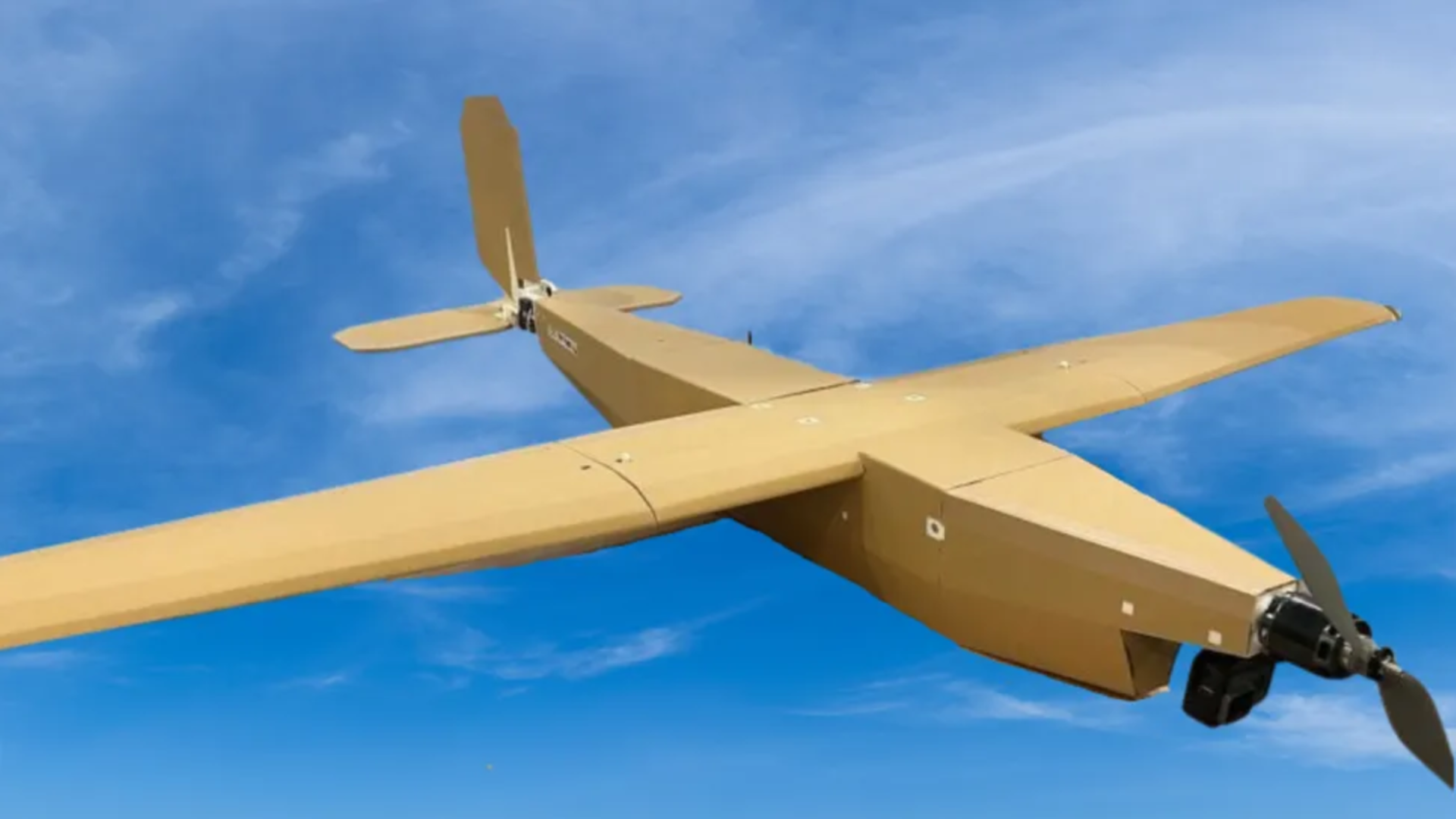 Japan joins Australia in building cardboard drones — and they’re scarily cheap
-
 'The second life of drones': Why thousands of UAVs in Ukraine have stopped working, how a team of 'craftsmen' is fixing 24,000 obsolete drones every year, and what it means for the future of the drone industry
-
 Could Ukrainian drones replace DJI in the US?
The 200km range means Ukrainian commanders can strike deep behind forward positions without repositioning launch systems closer to the front line.
The Hornet is not designed to destroy a fortified bunker; it penetrates deep behind enemy lines to target relevant surface installations.
A 5kg explosive charge is modest by artillery standards, yet it is more than sufficient to destroy fuel depots, ammunition stores, radar installations, and command vehicles.
Scaling production and shifting the cost balance of warfare
One major issue with military drone development is the speed of production, but Schmidt brought software development principles into the hardware industry.
From the moment of design, the Hornet was already treated as disposable hardware that could be swiftly reproduced.
The drone's true innovation lies not in any single component but in the economic logic that makes losing ten Hornets cheaper than firing one advanced surface-to-air missile.
However, whether a $5000 drone can survive 200km of electronic warfare and active air defense measures remains to be seen.
One positive here is that quantity offers its own form of survivability — it will be difficult to use expensive interceptors to stop 20 Hornets launching toward 20 different targets.
The math favors whoever uses cheap Hornets to force a defender to spend millions on layered protection systems that may still fail against a single lucky strike.
Drones are “the defining threat of our time,” said Brig. Gen. Matt Ross, director of JIATF-401.
“We must be proactive with creating a layered defense that deploy and scale low-cost, attritable air-to-air drone interceptors at all our facilities at home and abroad.”
Via Defense News

Follow TechRadar on Google News and add us as a preferred source to get our expert news, reviews, and opinion in your feeds.
 Efosa UdinmwenFreelance Journalist
Efosa has been writing about technology for over 7 years, initially driven by curiosity but now fueled by a strong passion for the field. He holds both a Master's and a PhD in sciences, which provided him with a solid foundation in analytical thinking.
View MoreYou must confirm your public display name before commenting
Please logout and then login again, you will then be prompted to enter your display name.
Logout Read more
Pro
Ukraine preps drone-killing laser which can destroy targets 3 miles away
Pro
Ukraine becomes the first country to scale long-distance remote-controlled interceptor drones
Pro
Ukraine turns a 55-year-old Antonov An-28 into a drone killing machine
Pro
Japan joins Australia in building cardboard drones — and they’re scarily cheap
Pro
'The second life of drones': Why thousands of UAVs in Ukraine have stopped working, how a team of 'craftsmen' is fixing 24,000 obsolete drones every year, and what it means for the future of the drone industry
Pro
Could Ukrainian drones replace DJI in the US?
Latest in Pro
 Software & Services
DaVinci Resolve 21 (2026) review
Software & Services
DaVinci Resolve 21 (2026) review
 Pro
‘This is a fundamental shift in how we prepare for pandemics’: Researchers used AI and known genetic codes to develop a ‘fundamentally new’ vaccine that ‘could help speed up the roll out vaccines to benefit people all over the world’
Pro
‘This is a fundamental shift in how we prepare for pandemics’: Researchers used AI and known genetic codes to develop a ‘fundamentally new’ vaccine that ‘could help speed up the roll out vaccines to benefit people all over the world’
 Pro
Why everyday Workplace Tech Frustration is hybrid work's biggest unsolved problem
Pro
Why everyday Workplace Tech Frustration is hybrid work's biggest unsolved problem
 Security
Hackers abused Stripe and Google Tag Manager to launch a credit card theft campaign and host stolen payment details
Security
Hackers abused Stripe and Google Tag Manager to launch a credit card theft campaign and host stolen payment details
 Security
'Fraud won’t be tolerated in this country any longer': FBI releases Most Wanted Fraudsters list to help fight the crime that 'costs Americans tens of billions of dollars every year'
Security
'Fraud won’t be tolerated in this country any longer': FBI releases Most Wanted Fraudsters list to help fight the crime that 'costs Americans tens of billions of dollars every year'
 Security
Russian hackers attack Europe for the Motherland in crypto fueled Great Patriotic Cyber War
Latest in News
Security
Russian hackers attack Europe for the Motherland in crypto fueled Great Patriotic Cyber War
Latest in News
 Gaming
This year's PC Gaming Show will provide looks at more than 50 games and also feature a behind-the-scenes look at one of my most anticipated games of the year — here's how to tune in
Gaming
This year's PC Gaming Show will provide looks at more than 50 games and also feature a behind-the-scenes look at one of my most anticipated games of the year — here's how to tune in
 Gaming
Mark Rosewater has made me excited for Magic's next Universes Beyond set
Gaming
Mark Rosewater has made me excited for Magic's next Universes Beyond set
 VPN Privacy & Security
Russian Roskomnadzor accused of launching active DDoS attacks on VPN services — here's what we know so far
VPN Privacy & Security
Russian Roskomnadzor accused of launching active DDoS attacks on VPN services — here's what we know so far
 Gaming
One of my all-time favourite JRPGs has been announced for the Xbox Game Pass lineup for June ahead of the Xbox Games Showcase
Pro
‘This is a fundamental shift in how we prepare for pandemics’: Researchers used AI and known genetic codes to develop a ‘fundamentally new’ vaccine that ‘could help speed up the roll out vaccines to benefit people all over the world’
Gaming
One of my all-time favourite JRPGs has been announced for the Xbox Game Pass lineup for June ahead of the Xbox Games Showcase
Pro
‘This is a fundamental shift in how we prepare for pandemics’: Researchers used AI and known genetic codes to develop a ‘fundamentally new’ vaccine that ‘could help speed up the roll out vaccines to benefit people all over the world’
 Computing Components
If you own a Creative Katana V2X speaker, there's something you must know
LATEST ARTICLES
Computing Components
If you own a Creative Katana V2X speaker, there's something you must know
LATEST ARTICLES- 1I just watched a robot kick a child and I'm over it — let's keep robots away from people until these bots are 100% safe
- 2Mark Rosewater has made me excited for Magic's next Universes Beyond set
- 3Facial recognition code has been found in the Meta AI app for smart glasses
- 4The latest Summer Game Fest 2026 announcements live from the show in Los Angeles
- 5'Fraud won’t be tolerated in this country any longer': FBI releases Most Wanted Fraudsters list to help fight the crime that 'costs Americans tens of billions of dollars every year'