- News
- World
- Americas
Officials said the adjustment is unlikely to affect daily traffic through the canal
Elida Moreno, Raul Cortes & Kylie MadryFriday 05 June 2026 19:24 BST- Bookmark
- CommentsGo to comments
Bookmark popover
Removed from bookmarks
Close popoverEl Niño Explainer: Conditions return this year
The latest headlines from our reporters across the US sent straight to your inbox each weekday
Your briefing on the latest headlines from across the US
Your briefing on the latest headlines from across the US
Email*SIGN UPI would like to be emailed about offers, events and updates from The Independent. Read our Privacy notice
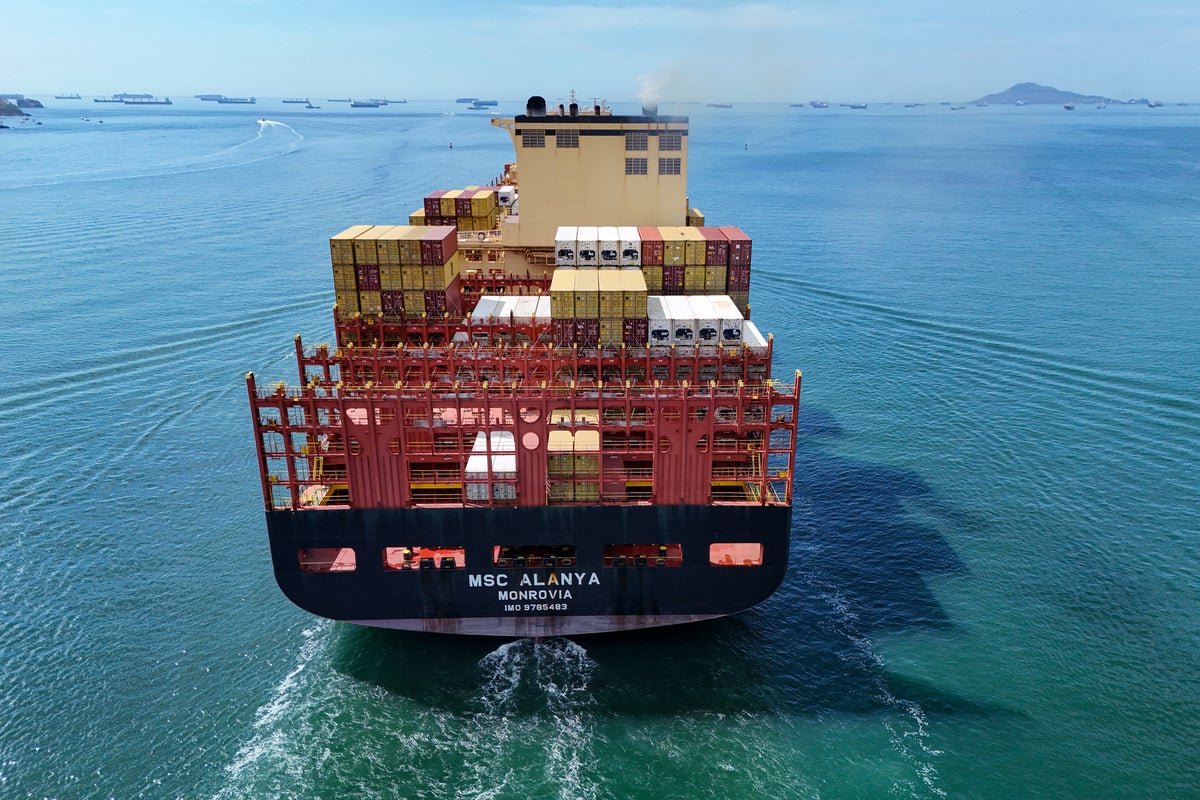
The Panama Canal will slightly reduce the maximum draft allowed for ships passing through its larger Neopanamax locks on July 3 as part of efforts to conserve water amid concerns over a potential El Niño weather pattern later this year.
The Panama Canal Authority announced on Friday that the maximum locks for Neopanamax vessels will be lowered from 50 feet to 49.5 feet.
The decision is based on current and projected water levels at Gatun Lake, the canal's main freshwater reservoir.
Officials said the adjustment is unlikely to affect daily traffic through the canal and is expected to impact fewer than 1.7 percent of Neopanamax vessels. Ships affected by the change may need to carry slightly less cargo to meet the revised draft limit.
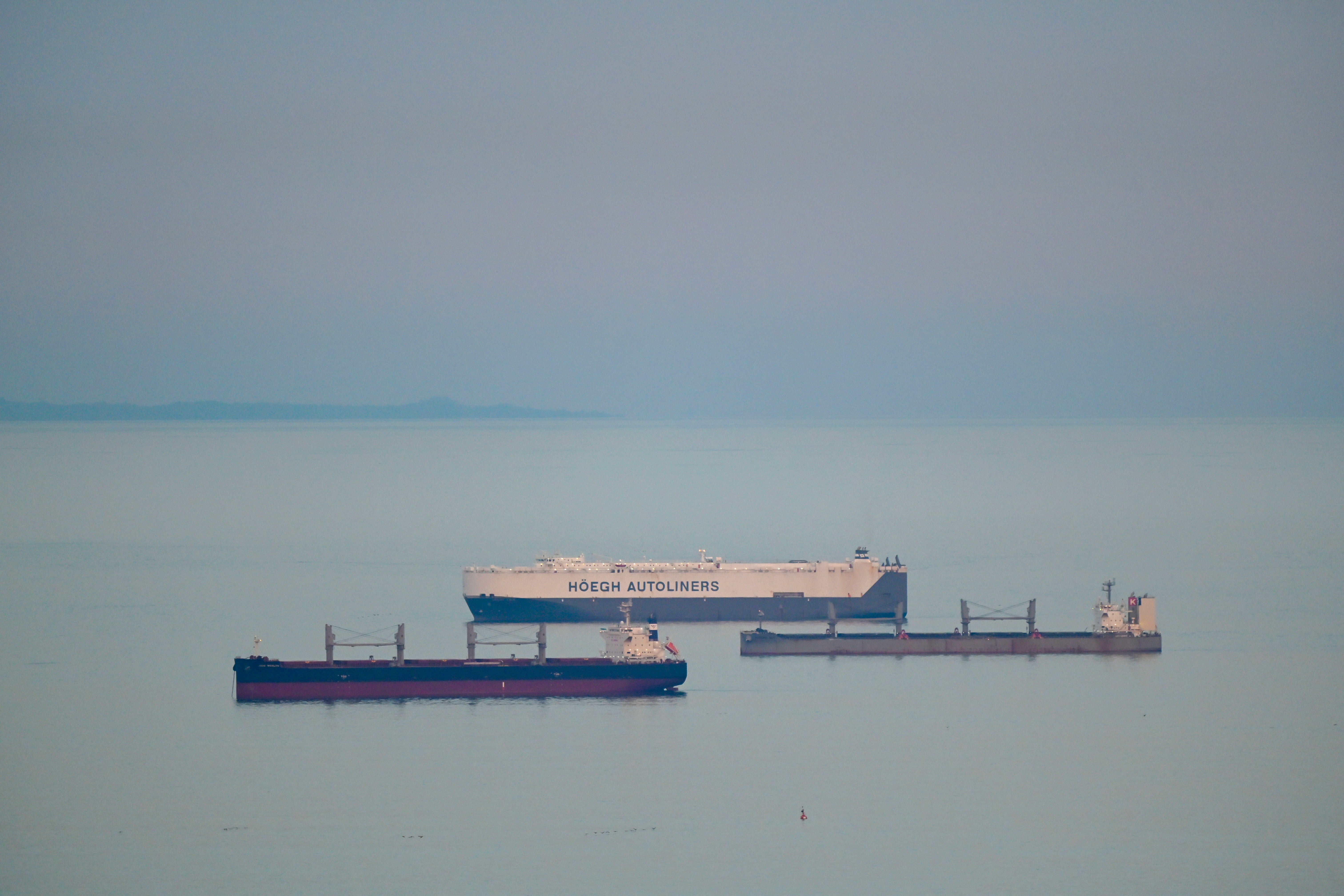 The decision is based on current and projected water levels at Gatun Lake, the canal's main freshwater reservoir (Martin Bernetti / AFP via Getty Images)
The measure applies only to Neopanamax vessels, the largest ships capable of using the expanded canal, and forms part of a broader water-management strategy aimed at protecting operations during the upcoming dry season.
The authority described the move as part of its broader strategy ahead of the 2026 dry season and in response to the possibility that El Niño could emerge in the second half of the year, persist into 2027 and strain water availability.
The governing body had said back in May that vessel restrictions would not be necessary this year.
The Panama Canal Authority said the decision reflects lessons learned during the 2023-2024 water shortage, when drought forced deeper draft restrictions and capacity cuts that disrupted global shipping.
That system is critical not only for shipping but also for Panama's domestic water supply.
In a late-May update, the authority said it did not expect the anticipated 2026 El Niño to materially disrupt transits through the end of this year, though it has warned that water-saving measures may be needed in 2027 if dry conditions worsen.
More about
El NinoPanama canalShipsJoin our commenting forum
Join thought-provoking conversations, follow other Independent readers and see their replies
Comments