
- Lifestyle
- Health & Families
The same trial also revealed retatrutide could offer substantial relief for knee osteoarthritis pain, reducing it by up to 73.1%
Chris Prentice Saturday 06 June 2026 21:54 BST- Bookmark
- CommentsGo to comments
Bookmark popover
Removed from bookmarks
Close popover open image in gallery(Reuters)
Get the Well Enough newsletter with Harry Bullmore for tips on living a healthier, happier and longer life
Get the Well Enough email with Harry Bullmore
Get the Well Enough email with Harry Bullmore
Email*SIGN UPI would like to be emailed about offers, events and updates from The Independent. Read our Privacy notice
Eli Lilly has unveiled promising trial results for its experimental obesity drug, retatrutide, demonstrating its potential to significantly reduce sleep apnea severity, alleviate knee pain, and aid in weight loss.
The findings, presented to medical professionals on Saturday, highlight the drug's broad therapeutic promise.
In a Phase 3 trial, a weekly injection of retatrutide was shown to decrease moderate-to-severe obstructive sleep apnea severity by 60.6% in adults with obesity.
This builds on Lilly's existing success, with its drug Zepbound already approved for the condition.
The same trial also revealed retatrutide could offer substantial relief for knee osteoarthritis pain, reducing it by up to 73.1%.
These comprehensive results were shared at an American Diabetes Association conference in New Orleans.
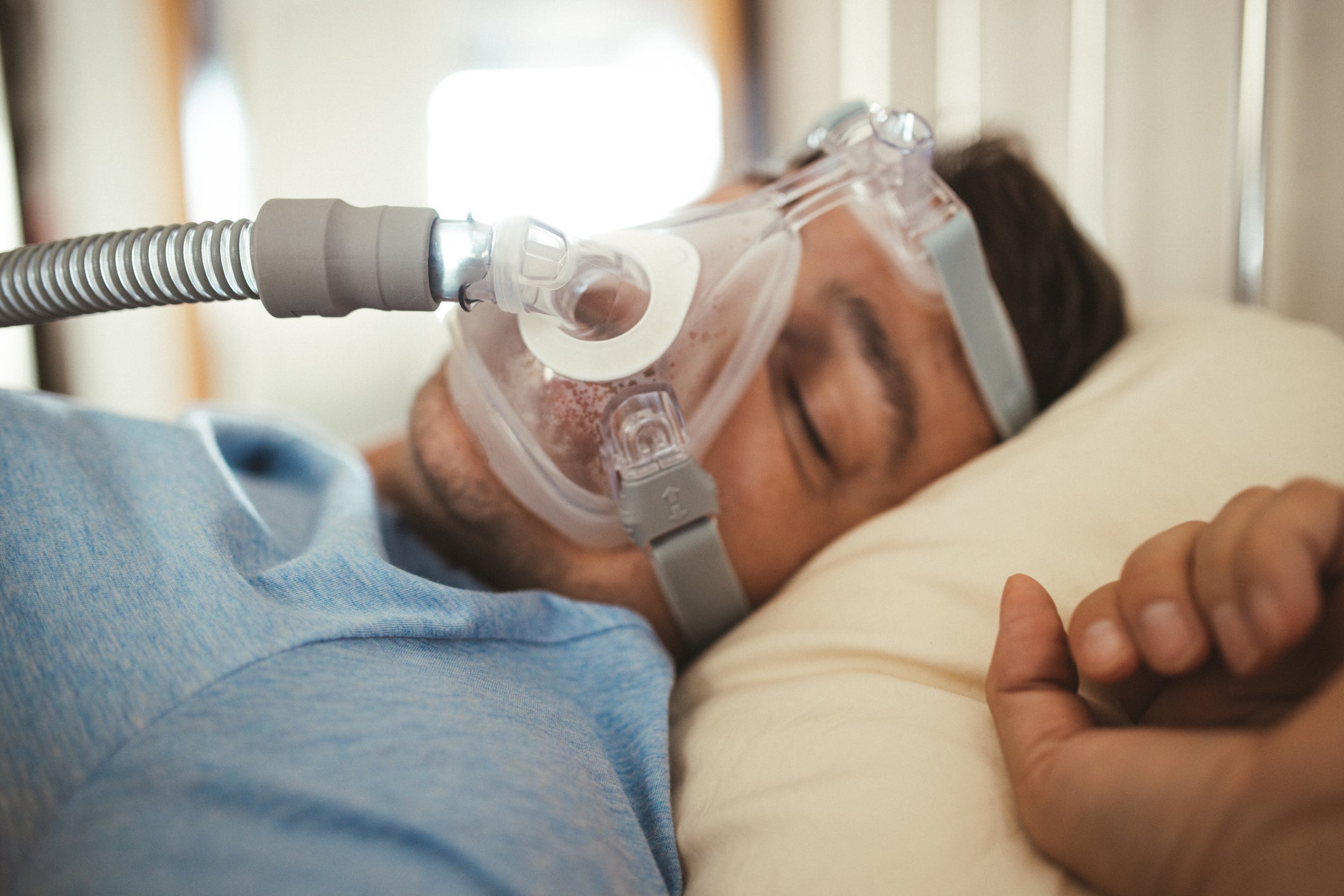 open image in galleryMiddle aged man sleeping with Cpap machine mask on for sleep apnea (Getty/iStock)
Lilly had previously disclosed that patients with obesity lost 28% of their body weight, and adults with type 2 diabetes experienced significant drops in blood sugar levels.
Retatrutide is an experimental "triple G" drug, targeting GLP-1, the obesity-related hormone GIP, and the body's glucagon receptors.
This innovative approach underscores the intense competition between the Indiana-based company and rivals like Denmark's Novo Nordisk in the booming market for obesity and diabetes medications.
Detailed results published in The Lancet on Saturday noted that 2% of diabetes patients on the lowest dose experienced major adverse cardiovascular events.
However, the report clarified these events were not necessarily caused by the drug.
More about
Eli LillyWeight LossAidtrialJoin our commenting forum
Join thought-provoking conversations, follow other Independent readers and see their replies
Comments