- News
- Health
Almost half of adults aged 50 to 65 have been put off exercise after feeling self-conscious about their body at school, survey reveals
Rebecca Whittaker Tuesday 21 April 2026 00:27 BST- Bookmark
- CommentsGo to comments
Bookmark popover
Removed from bookmarks
Close popoverHaving trouble with sleep? Exercise is the key
Sign up for our free Health Check email to receive exclusive analysis on the week in health
Get our free Health Check email
Get our free Health Check email
Email*SIGN UPI would like to be emailed about offers, events and updates from The Independent. Read our Privacy notice
Millions of Britons are physically inactive and blame their hatred of school PE lessons for being put off exercise, a new poll has found.
An estimated 4 million British adults aged 50 to 65 say bad experiences at school have put them off exercise for life and 40 per cent still have bad memories from school PE lessons, according to a survey by Age UK.
Many mid-lifers are still held back by the emotional baggage of school‑day PE, with millions remembering feeling self‑conscious about their body (40 per cent) or being picked last for teams (40 per cent).
But 42 per cent of those surveyed still feel anxious about joining a sports group or class at their age.
“Being active is an investment in your future, like paying into your own physical pension plan. I know from personal experience what a difference being active makes to my physical and mental health,” Paul Farmer, Chief Executive at Age UK said.
“However, our research shows that millions of mid-lifers feel held back by past sports memories. Challenging PE lessons, worries about judgement and feeling self-conscious, can make physical activity feel out of reach - and can feel like something only young people do,” he added.
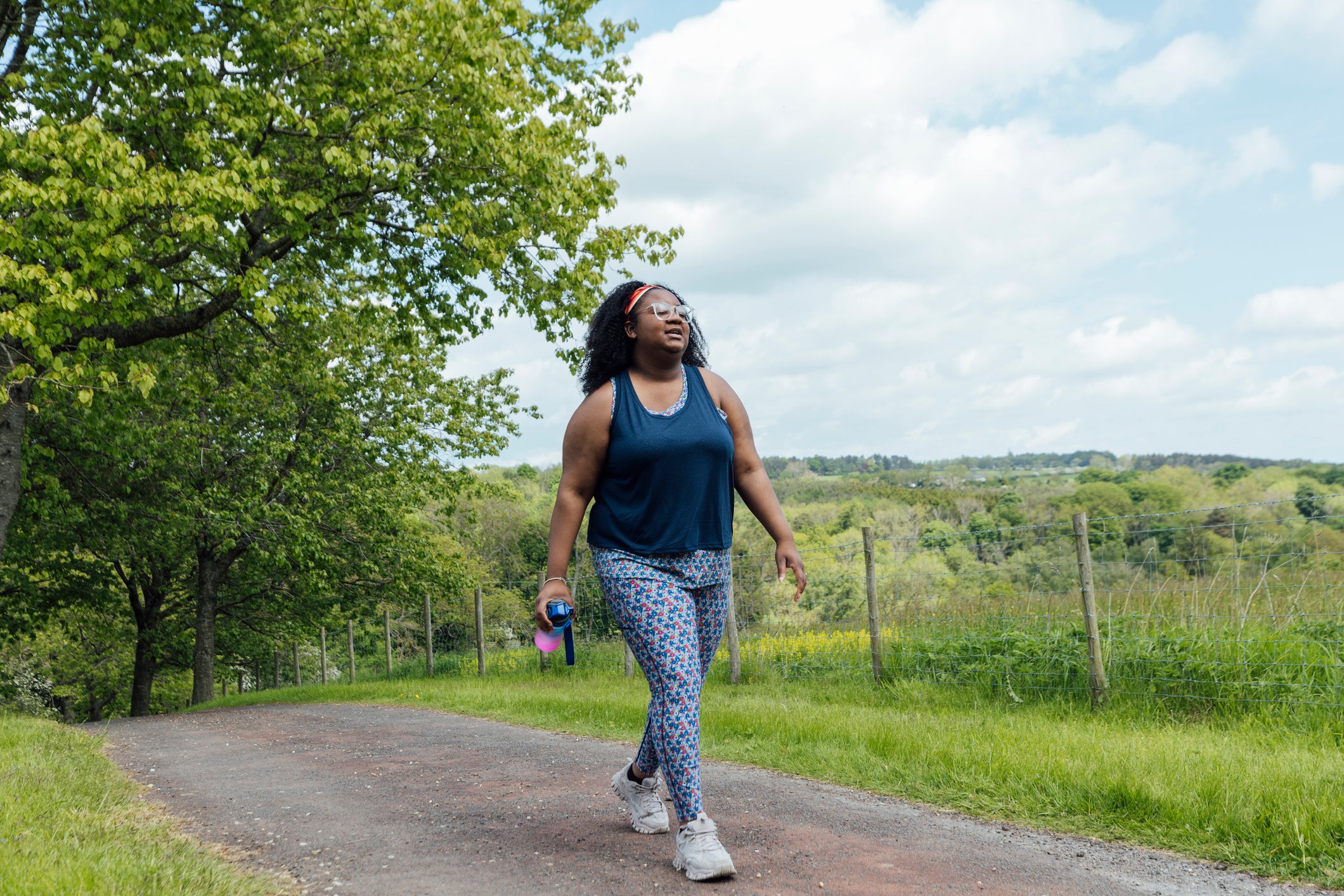 A survey suggests as many as 4 million adults aged 50 to 65 say bad experiences at school have put them off exercise for life (stock image) (Getty/iStock)
Adults should do some type of physical activity every day, as exercising just once or twice a week can reduce the risk of heart disease or stroke, the NHS stresses.
It can also increase the likelihood of someone being overweight or obese, which in turn increases the risk of type 2 diabetes, some types of cancer and even an early death.
But many adults in the UK sit down for around nine hours a day, which has also been shown to slow metabolism which affects the body's ability to regulate blood sugar, blood pressure and break down body fat.
It’s recommended to do at least 150 minutes of moderate intensity activity a week, such as walking, pushing a lawn mower or riding a bike or 75 minutes of vigorous physical activity, such as running, swimming or walking up the stairs spread evenly over four days of the week.
The NHS also suggests people do strength training activities, like yoga or lifting weights, which helps to build muscle and slows age related bone loss.
Following the survey of 2,385 UK adults aged 50 to 65, Age UK is urging mid-lifers to be active so they can live their best possible later life.
Double Olympic champion and Age UK supporter, Dame Kelly Holmes, said: “The benefits of sport and exercise are endless. It doesn’t matter whether you’re a professional athlete competing on a world stage, or a busy parent who has just managed to carve out a few hours for yourself one evening a week to head along to your local netball group.
“It’s about self-care, making new connections, feeling team spirit, supporting mental health, getting outside and feeling strong and capable for as long as possible.”
More about
NHSExerciseSurveyJoin our commenting forum
Join thought-provoking conversations, follow other Independent readers and see their replies
Comments