- News
- World
- Middle East
Uncertainty hangs over a second round of peace talks in Islamabad as both sides escalate rhetoric and the Strait of Hormuz remains closed
James C. Reynolds Monday 20 April 2026 21:43 BST- Bookmark
- CommentsGo to comments
Bookmark popover
Removed from bookmarks
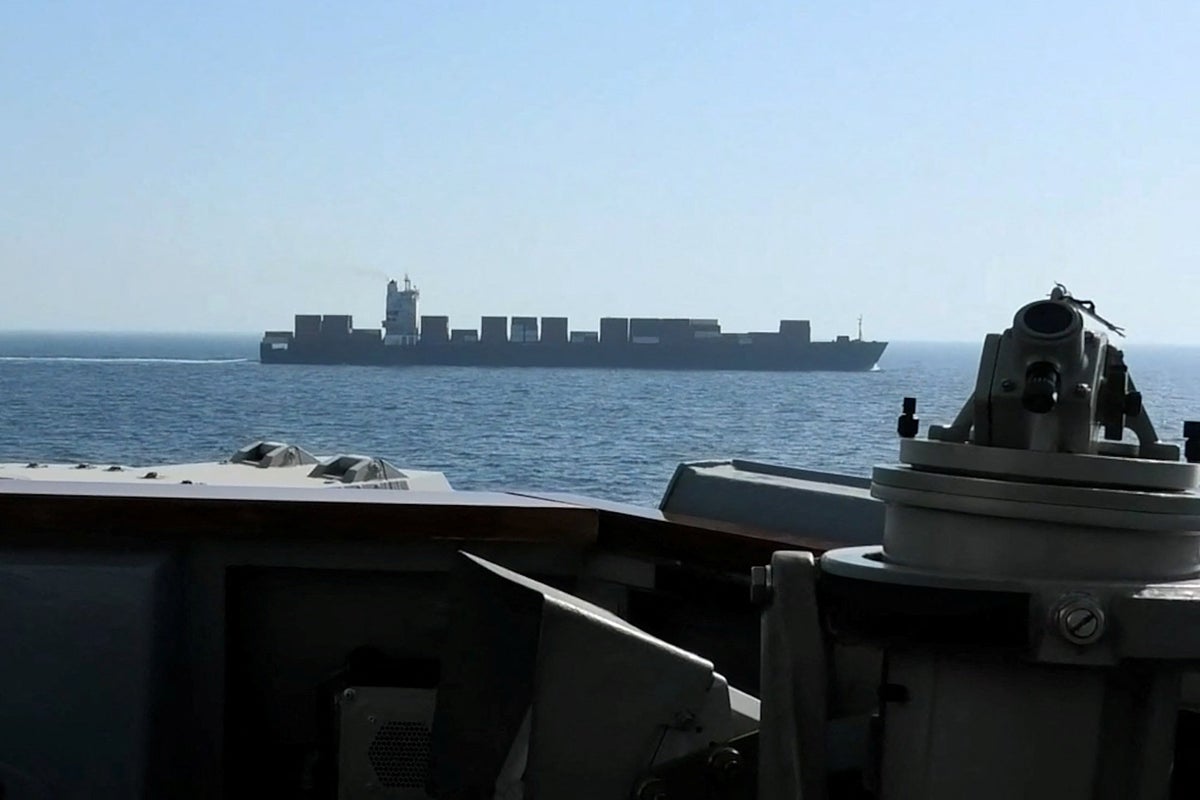
Close popoverUS Marines board Iranian-flagged vessel after navy disables ship
On The Ground newsletter: Get a weekly dispatch from our international correspondents
Get a weekly dispatch from our international correspondents
Get a weekly international news dispatch
Email*SIGN UPI would like to be emailed about offers, events and updates from The Independent. Read our Privacy notice
Donald Trump said an extension of the fragile two-week ceasefire with Iran is now “highly unlikely” as peace talks in Pakistan hang in the balance.
Iran has yet to commit to negotiations in Islamabad, saying it won’t attend unless the US Navy lifts its blockade of the Strait of Hormuz. There was also confusion over whether the US vice-president, JD Vance, was on his way to the talks.
The ceasefire deal runs out on Wednesday, and President Trump told Bloomberg he did not think it would be extended, nor would he be rushed into “making a bad deal”.
He warned that if a deal had not been reached by then, “lots of bombs start going off”, he told PBS News. Stock markets in Europe fell on Monday as uncertainty over peace talks continued.
Earlier, in an online tirade, Trump insisted that Israel “never talked me into the war” following claims that Benjamin Netanyahu influenced his decision and mounting right-wing criticism over the conflict.
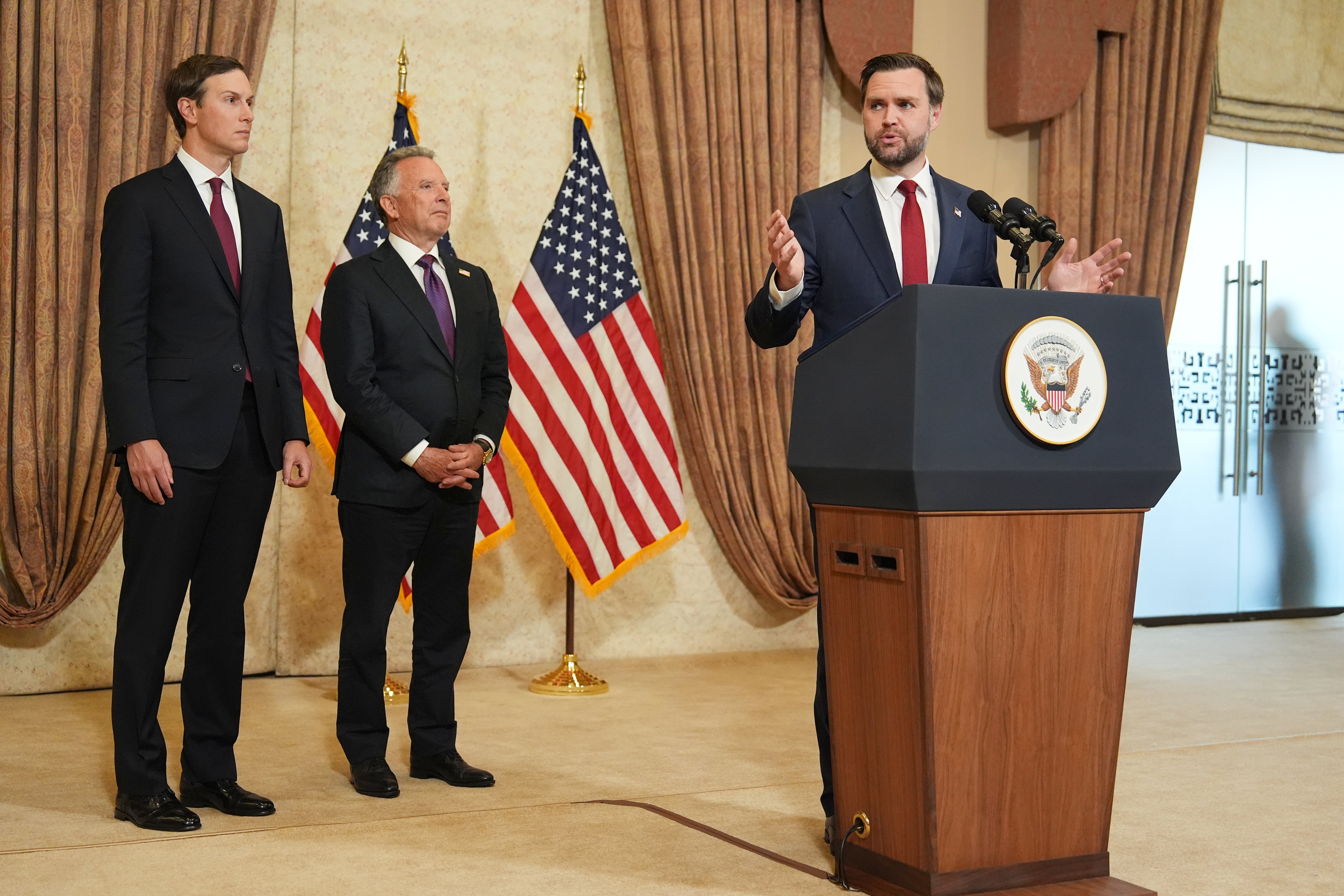 open image in galleryDonald Trump told the New York Post that JD Vance (right) was heading to Pakistan and would arrive on Monday night. Sources later told CNN he was expected on Tuesday (Getty)
“Israel never talked me into the war with Iran, the results of Oct. 7th, added to my lifelong opinion that IRAN CAN NEVER HAVE A NUCLEAR WEAPON, did,” he wrote on social media on Monday.
With hours left until the ceasefire expires, Trump sent a barrage of mixed messages, insisting in one post that “the results in Iran will be amazing”, a day after threatening to blow up civilian infrastructure unless the regime makes a deal.
Hopes of a diplomatic resolution were mired in confusion as conflicting reports emerged about JD Vance’s whereabouts. Insiders told CNN that the vice-president, expected to attend make-or-break talks in Pakistan, was still in Washington and would not travel until Tuesday, after Trump told the New York Post he was already en route.
It was also unclear who he would be flying to meet, as Iran put off confirming its attendance and vowed retaliation after the US said it had seized an Iranian cargo ship that had tried to run its blockade.
The Iranian president, Masoud Pezeshkian, wrote on social media that the US had been “unconstructive and contradictory” in its signalling, and that Iran would not “submit to force”.
Behind the scenes, a senior Iranian source told the Reuters news agency that Tehran was still reviewing its participation but had not yet made a decision. In meetings with public workers in Tehran, Mr Pezeshkian emphasised the importance of ending the war while resisting what he called “excessive demands”.
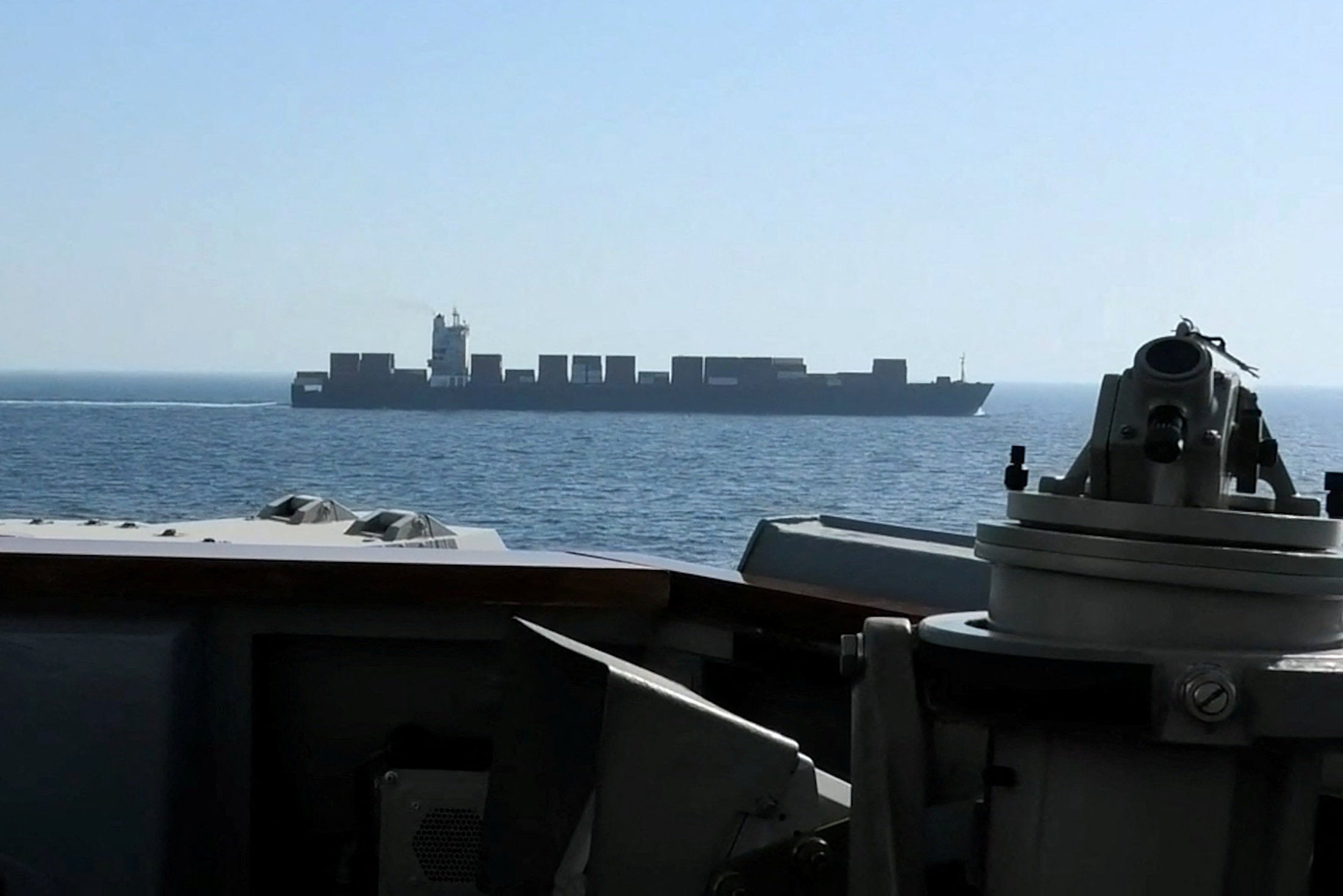 open image in galleryThe USS Spruance, a Burke-class Aegis guided missile destroyer, intercepts an Iranian-flagged cargo ship in the Arabian Sea (Reuters)
With the ceasefire set to expire at 1am UK time on Wednesday, Iran's parliament speaker, Mohammad Bagher Ghalibaf, said the two sides remained far apart on nuclear issues and the Strait of Hormuz, with the US blockade on ships travelling to or from the Iranian coast causing new friction on the water.
US Central Command said on Monday that the military had told 27 vessels to turn around or go back to an Iranian port since it imposed its blockade last week. It added that it had fired on an Iran-flagged cargo ship, disabling its engines, after a six-hour standoff on Sunday.
Iran’s military said the ship had been travelling from China and accused the US of “armed piracy”, according to state media. It added that it was ready to confront US forces over the “blatant aggression”, but was constrained by the presence of crew members’ families on board.
Iranian foreign ministry spokesman Esmaeil Baghaei said that Washington had shown it was “not serious” about pursuing the diplomatic process, and that Tehran would not change its demands. He said the US was still “insisting on some unreasonable and unrealistic positions”.
In an effort to resolve the crisis, Pakistan’s most senior mediator, Field Marshal Asim Munir, told President Trump that the blockade was proving an obstacle to talks, and Mr Trump said he would consider the advice, a security source told Reuters. Until now, the president has been adamant that the blockade “is going to remain”.
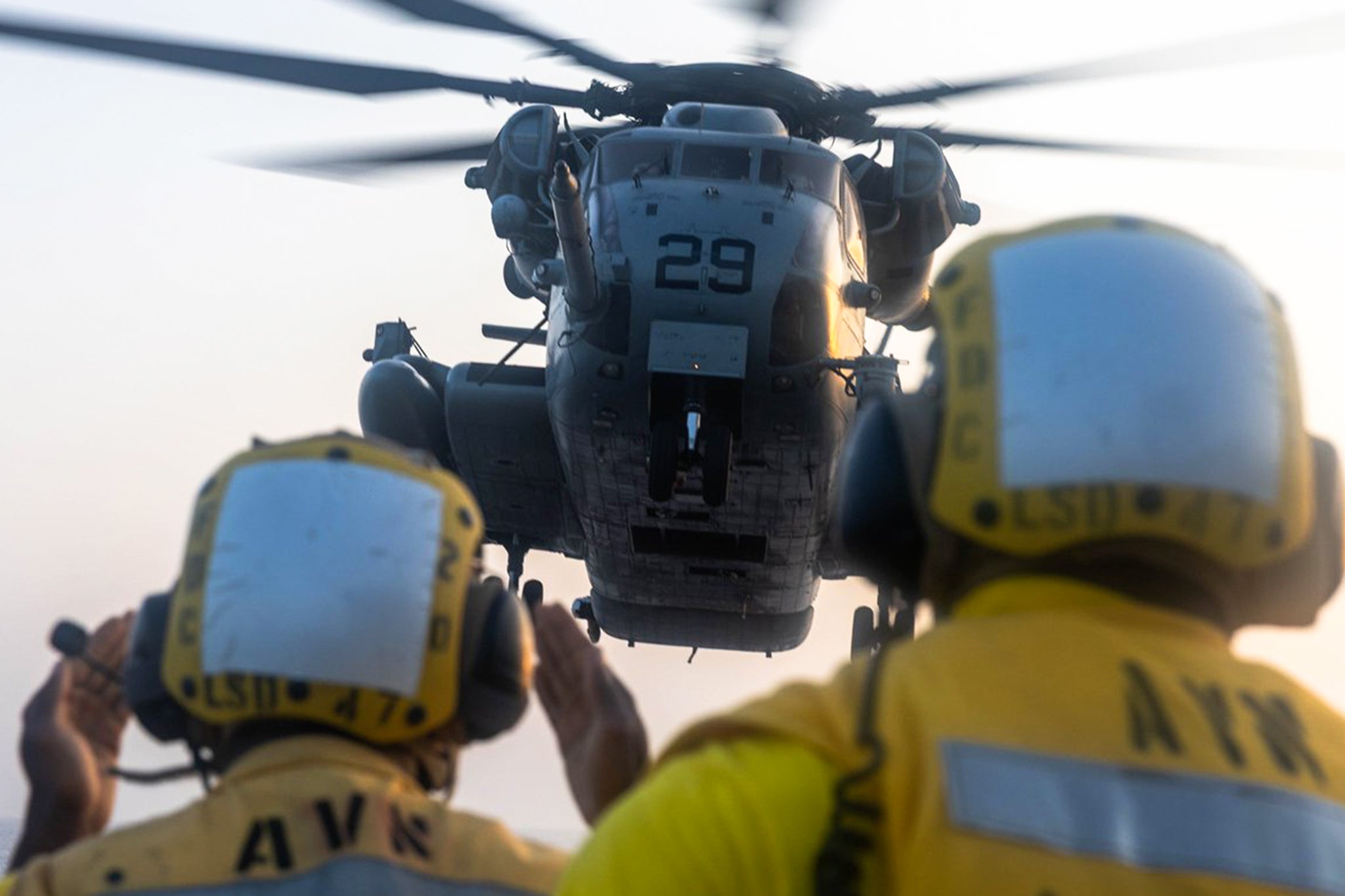 open image in gallerySailors and Marines aboard dock landing ship USS Rushmore (LSD 47) conduct blockade operations in the Arabian Sea (US Centcom)
Oil prices rose around 5 per cent as traders remained fearful that the ceasefire would collapse. Traffic through the Strait of Hormuz was at a virtual standstill with just three crossings in the space of 12 hours, according to shipping data.
Despite the uncertainty about whether talks will go ahead, Pakistan was still making preparations to host both delegations in Islamabad, deploying nearly 20,000 security personnel across the city.
Israel, meanwhile, told residents of southern Lebanon to stay out of a belt of territory at the border and not to approach the area of the Litani River, entrenching its grip over the region despite a ceasefire in the war with Hezbollah. Sources told Reuters that Israeli and Lebanese representatives would hold talks in Washington on Thursday, in what would be the second round of ambassador-level talks between the two countries.
More about
IsraelJD VanceDonald TrumpBenjamin NetanyahuIranPakistanceasefireStrait of HormuzJoin our commenting forum
Join thought-provoking conversations, follow other Independent readers and see their replies
Comments